EPA and the National Fish and Wildlife Foundation announce Chesapeake Bay watershed grants for clean water and restoration
The awards, announced Oct. 2 in Smithfield, Va., go to nonprofits, conservation districts, local governments, universities and a tribe across six states and the District of Columbia. EPA put the total at more than $90 million.
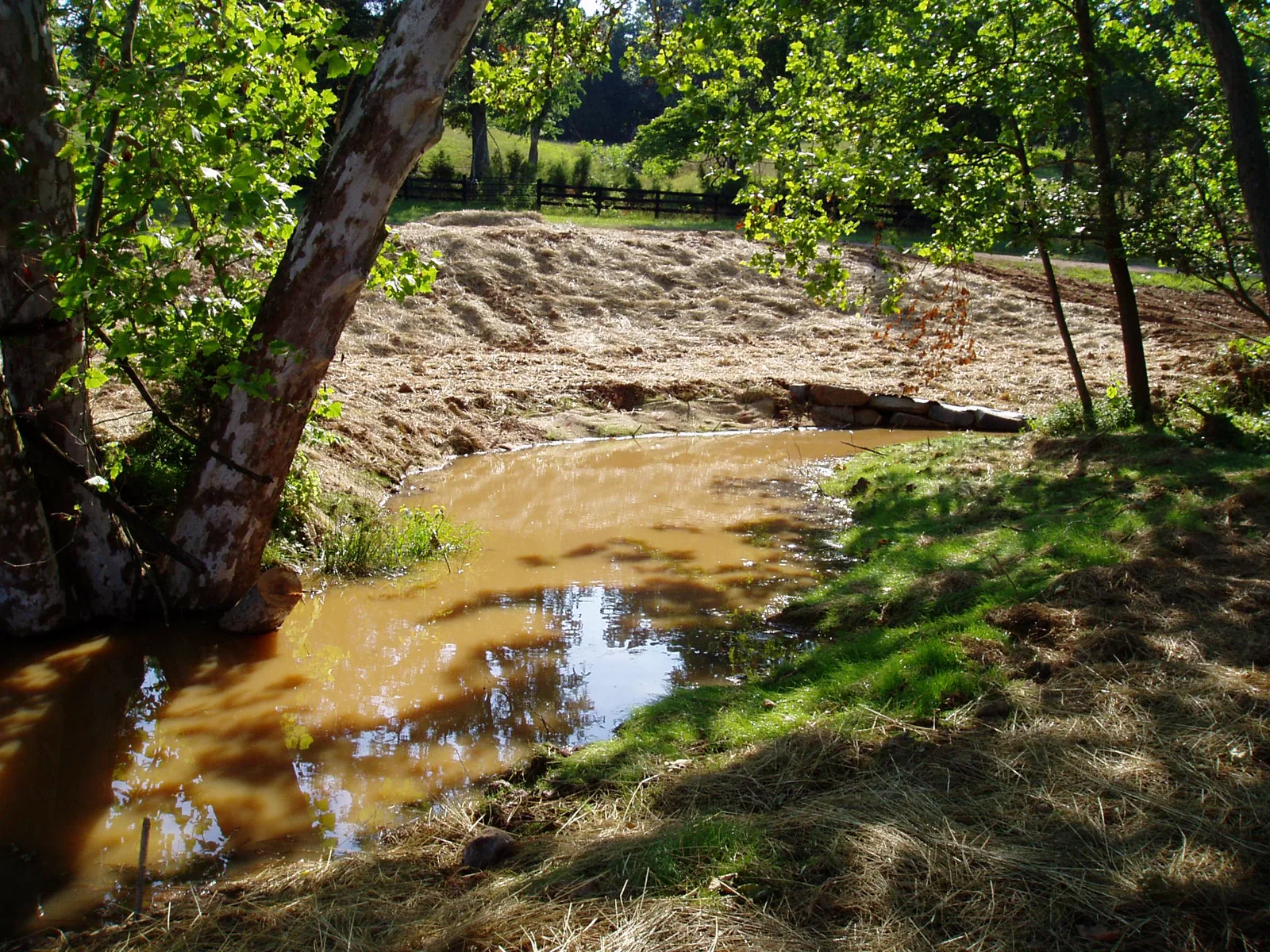
Smithfield. Nonprofits are among the recipients of a new round of grants for clean water and habitat restoration in the Chesapeake Bay watershed, which the Environmental Protection Agency announced on Oct. 2 at Windsor Castle Park in Smithfield, Va. EPA Deputy Administrator David Fotouhi was joined by Rep. Jen Kiggans, a Virginia Republican.
The agency said it was awarding $37 million, with $53 million more from other agencies, for 83 new projects. The money goes out through two programs of the Chesapeake Bay Stewardship Fund, which the National Fish and Wildlife Foundation runs with EPA: Small Watershed Grants and Innovative Nutrient and Sediment Reduction grants.
What the foundation's lists show
The foundation's two grant slates count the awards and the money differently from the release. The Small Watershed Grants slate lists 68 new or continuing grants totaling $23.4 million, with $21.1 million in matching contributions from the grantees. The nutrient and sediment slate lists 16 grants totaling $15.6 million, with $32 million in matching contributions. Both name EPA and Altria as funding partners.
Small Watershed Grants pay for work on the ground and for planning and technical assistance. The nutrient and sediment program backs regional partnerships of practitioners working on water quality.
Recipients include the James River Association, with $148,600 for a nature-based resilience plan at Benjamin Syms Middle School in Hampton, Va., and $1 million to restore 200 acres of riparian forest buffer along the upper and middle James River; Ms. Kiggans thanked the association by name. Interfaith Partners for the Chesapeake received $729,000 to plan and build stormwater projects on land owned by faith-based organizations in Maryland and Pennsylvania. Smith Island United received $87,800 for a flood resilience plan for the community of Tylerton. Earth Conservation Corps received $636,000 to restore 41 acres along Noonan's Run while offering work to young adults facing barriers to employment. Catoctin Land Trust received $996,800, matched by $11.3 million, to restore 100 acres of forest in central Maryland. The Alliance for the Chesapeake Bay appears five times across the two slates.
A partnership since 1999
Since 1999, EPA and the foundation have awarded more than $800 million through more than 2,000 grants, according to the release, which credits them with cutting nitrogen pollution by more than 40 million pounds and restoring more than 3,000 miles of streamside forest and 9,500 acres of wetlands.
Mr. Fotouhi said the improvements would have a significant impact on the more than 1,800 local communities that depend on the watershed. The foundation's request for proposals had expected the Small Watershed awards in September.
About this story
501c3.help wrote this story from the sources listed with it, not from material an organization sent. Our editors approved it on Oct. 8, 2026. Stories in The Nonprofit Herald are free, and nothing is asked in return. Editorial rules.
Found an error? Write to [email protected] and we will correct it.
For the organizations in this story: put the badge on your website

Put it on your About page or wherever you list press mentions, rather than in a footer that repeats on every page. It links to this story.
Linking is welcome and never required. Nothing about the story changes either way.