Google commits $10 million to water projects in Arkansas, starting with a $750,000 grant for Ducks Unlimited Park
The company announced the commitment on Nov. 19. Its first grant pays for a pavilion, trails and outdoor classrooms at the Mississippi River floodplain park in West Memphis; Google has not said where the other $9.25 million will go.
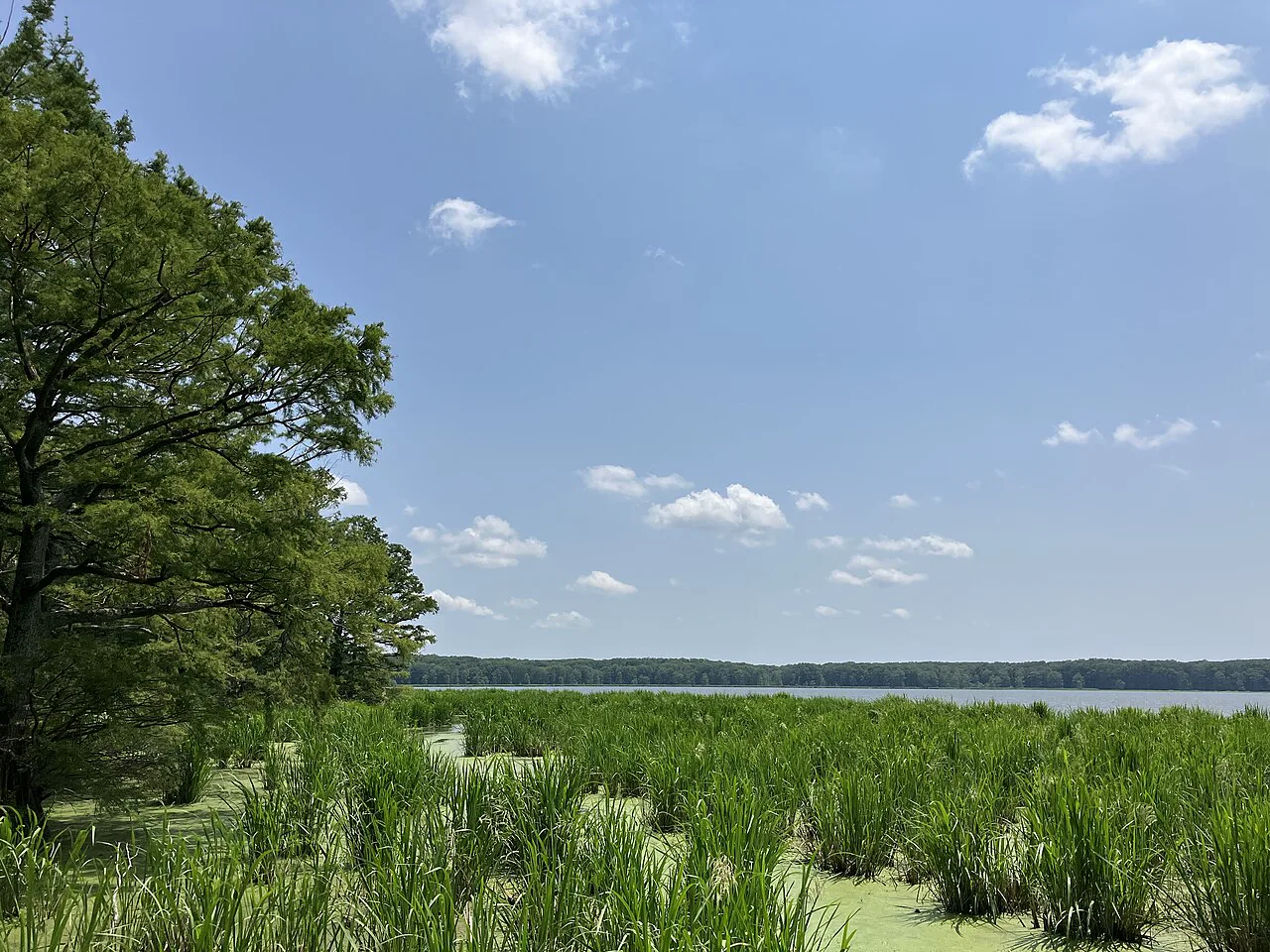
West Memphis. Google said on Nov. 19 that it will spend $10 million on community water sources, water infrastructure and access to water across Arkansas. The first grant from the commitment, $750,000, goes to Ducks Unlimited, the Memphis based wetlands conservation group, for Ducks Unlimited Park in West Memphis.
According to the company's announcement, as reported by Talk Business & Politics and Action News 5, the grant will pay for a pavilion, walking and biking trails and outdoor classrooms at the park, bringing learning programs to children and other visitors across the Mid-South. Google has not said how the remaining $9.25 million will be spent or how other organizations might be chosen.
A park on the floodplain
Ducks Unlimited Park sits on about 1,500 acres of Mississippi River floodplain across the river from downtown Memphis and can be reached from downtown Memphis over Big River Crossing. Big River Park Conservancy, the nonprofit that runs Big River Crossing and the levee trails, secured the land; Ducks Unlimited leads the work of returning it to wetlands and riparian forest. The park already has a paved trail loop of about 7 miles, and its master plan calls for a welcome pavilion with an outdoor classroom.
The restoration has drawn other money before. The U.S. Department of Transportation has awarded $16,155,550 through its PROTECT program to restore hundreds of acres of the park's floodplain, according to Ducks Unlimited.
“Our goal is to create a lasting asset for the region, one that restores and enhances Mississippi River floodplain habitat while providing meaningful ecological and recreational benefits for the people who live, work, and visit here.”
Next to a data center
Google is building a data center in West Memphis, and it tied the commitment to managing water responsibly in the communities where it builds and operates data centers. The company has set a goal of replenishing more water than it consumes by 2030. It says it has committed more than $500 million to date to water, wastewater and water reuse infrastructure and to the utilities that serve its data center communities, and that it had supported 165 water stewardship projects in 97 watersheds as of 2025.
The water money is separate from Google's $25 million West Memphis Energy Impact Fund, which on Oct. 19 announced its first $1.25 million in grants to 10 local nonprofit and municipal organizations for home repairs, energy efficiency upgrades and job training.
About this story
501c3.help wrote this story from the sources listed with it, not from material an organization sent. Our editors approved it on Nov. 20, 2026. Stories in The Nonprofit Herald are free, and nothing is asked in return. Editorial rules.
Found an error? Write to [email protected] and we will correct it.
For the organizations in this story: put the badge on your website

Put it on your About page or wherever you list press mentions, rather than in a footer that repeats on every page. It links to this story.
Linking is welcome and never required. Nothing about the story changes either way.