Minnesota opens the first round of its lottery-funded environmental community grants, about $4 million in all
The Department of Natural Resources expects grants of $20,000 to $150,000 for nonprofits, Tribes and local governments, with no match required. Short concept notes are due Jan. 7, 2027.
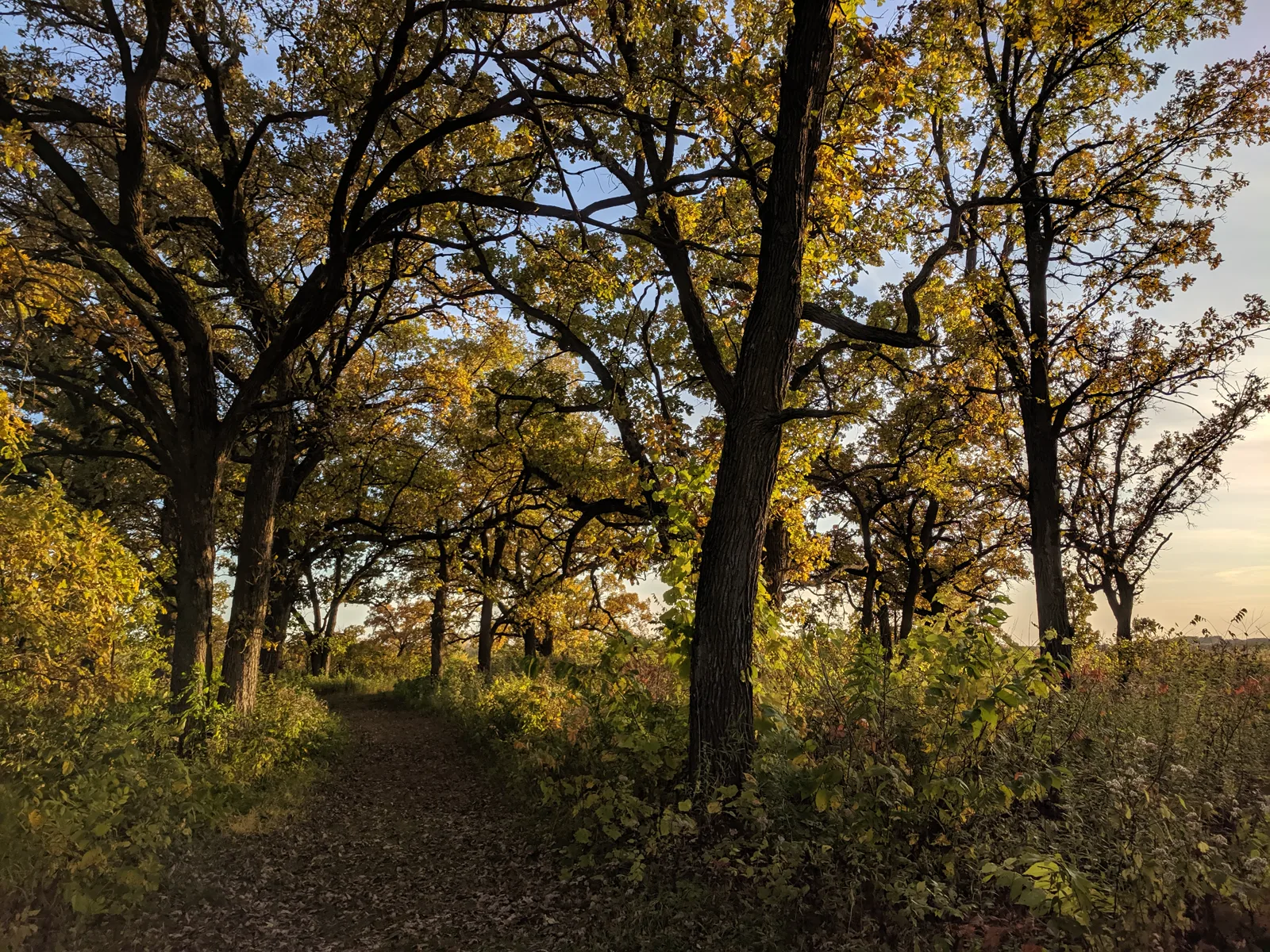
St. Paul. Minnesota nonprofits, Tribes and local governments can now prepare applications for the first grants from the Environment and Natural Resources Trust Fund Community Grant Program, the Minnesota Department of Natural Resources said on Nov. 6. The department expects to award about $4 million in this round, the Community Impact Funding Round, in grants of $20,000 to $150,000.
No matching funds are required, and applicants do not need previous experience with state grants. Projects must take place in Minnesota, and the work itself must be finished within 12 months.
Who the money is for
The trust fund has received state lottery proceeds since voters amended the Minnesota Constitution in 1988. The Legislature created the community grant program in 2023 to widen the circle of groups that receive that money, with an emphasis on communities harmed by pollution and environmental degradation. It appropriated just over $28 million to the department for the program in 2025 and $28.18 million more for fiscal year 2027 in 2026.
Projects must fit one of five areas: helping affected communities respond to environmental degradation and related health concerns, environmental education and awareness, preserving or enhancing natural resources, maintaining or improving existing trails, and managing aquatic invasive species. New trails, scientific research, state agencies, the University of Minnesota and for-profit businesses are not eligible. Community groups without legal standing of their own may take part through an eligible applicant, such as a nonprofit acting as fiscal agent.
Grants will generally be paid as reimbursement, so a grantee spends first and is repaid, although the department may approve advance payments in some cases.
Two stages
Applicants begin with a short concept note instead of a full application. The portal opens Dec. 1, and concept notes are due at 11:59 p.m. Central time on Jan. 7, 2027. Notes need at least 50 of 100 points to be considered, and the department will invite the strongest to submit full applications, expected in February through April. It anticipates selecting projects in the spring and starting grants in the summer of 2027, dates it says may change.
The department has scheduled information sessions for Nov. 17, Nov. 19, Dec. 8 and Dec. 15, and promises answers by Dec. 22 to questions submitted by Dec. 18.
About this story
501c3.help wrote this story from the sources listed with it, not from material an organization sent. Our editors approved it on Nov. 9, 2026. Stories in The Nonprofit Herald are free, and nothing is asked in return. Editorial rules.
Found an error? Write to [email protected] and we will correct it.