California offers $2 million in grants to help the Mojave Desert tortoise recover
Nonprofits, land trusts, tribes and public agencies working in the tortoise's California range can apply to the Department of Fish and Wildlife until Dec. 3. An online workshop for applicants is set for Nov. 9.
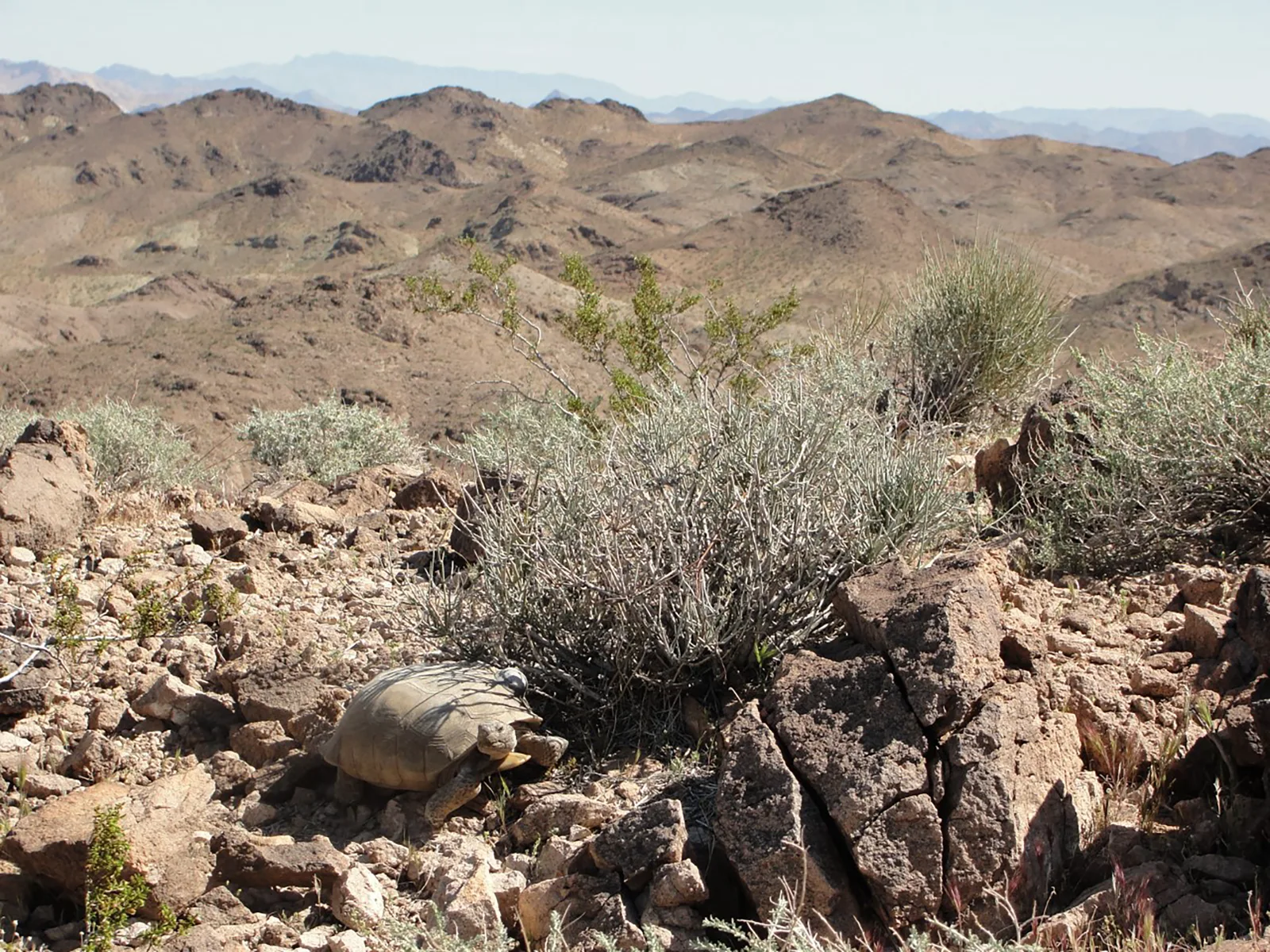
Sacramento. The California Department of Fish and Wildlife is offering $2 million in grants for projects that help the Mojave Desert tortoise recover, and nonprofits are among the organizations that may apply. Applications opened on Oct. 21 and are due Dec. 3 at 4 p.m.
The money comes from Senate Bill 111, which amended the Budget Act of 2026 to give the department $2 million from the state's General Fund for the tortoise. The desert tortoise is California's state reptile. It has been listed as threatened under the federal Endangered Species Act since 1990, and the state moved it from threatened to endangered in June 2025, after three decades without a recovery of its numbers, the department's guidelines say. They name habitat loss and fragmentation, disease and predation as the causes of its decline.
Who can apply and for what
State and local agencies, special districts, California Native American tribes, other public and private entities, nonprofit organizations and land trusts working in the priority areas are eligible. Projects must be within the tortoise's range in California, in counties that include Imperial, Inyo, Kern, Los Angeles, Riverside and San Bernardino.
The department lists four kinds of work: tortoise fencing along roads and culverts or crossings that let tortoises move safely; shared monitoring and mapping of ground disturbance, restoration and translocation results; habitat work near development, such as predator control, removing nonnative plants and seeding plants tortoises eat; and raising and releasing young tortoises to rebuild depleted populations, with health screening and monitoring after release.
A cost share is not required but counts in an applicant's favor. Indirect costs are capped at 20 percent of direct costs. Grants pay by reimbursement, though nonprofits in good standing under section 501(c)(3) and federally recognized tribes may ask for an advance of up to 25 percent of the award if they show they need it.
Workshop and timeline
The guidelines, dated October 2026, give the applicants' workshop as both Nov. 4 and Nov. 9. The department settled it in a notice on Oct. 28: the online workshop is on Monday, Nov. 9, at 11 a.m., and attending is optional. Applicants may also ask department staff for a consultation before applying.
Applications go through the department's WebGrants system. Awards are expected in the spring of 2027, and funded work must be finished, with final invoices in, by March 15, 2029.
About this story
501c3.help wrote this story from the sources listed with it, not from material an organization sent. Our editors approved it on Nov. 2, 2026. Stories in The Nonprofit Herald are free, and nothing is asked in return. Editorial rules.
Found an error? Write to [email protected] and we will correct it.