Justice Department lawyers say limits on religious activity in HHS-funded programs are unconstitutional
An Aug. 25 opinion of the Office of Legal Counsel says three federal laws barring faith-based providers from spending grants on worship, religious instruction or proselytization violate the First Amendment. Whether to stop enforcing them is now up to HHS, which must tell Congress if it does.
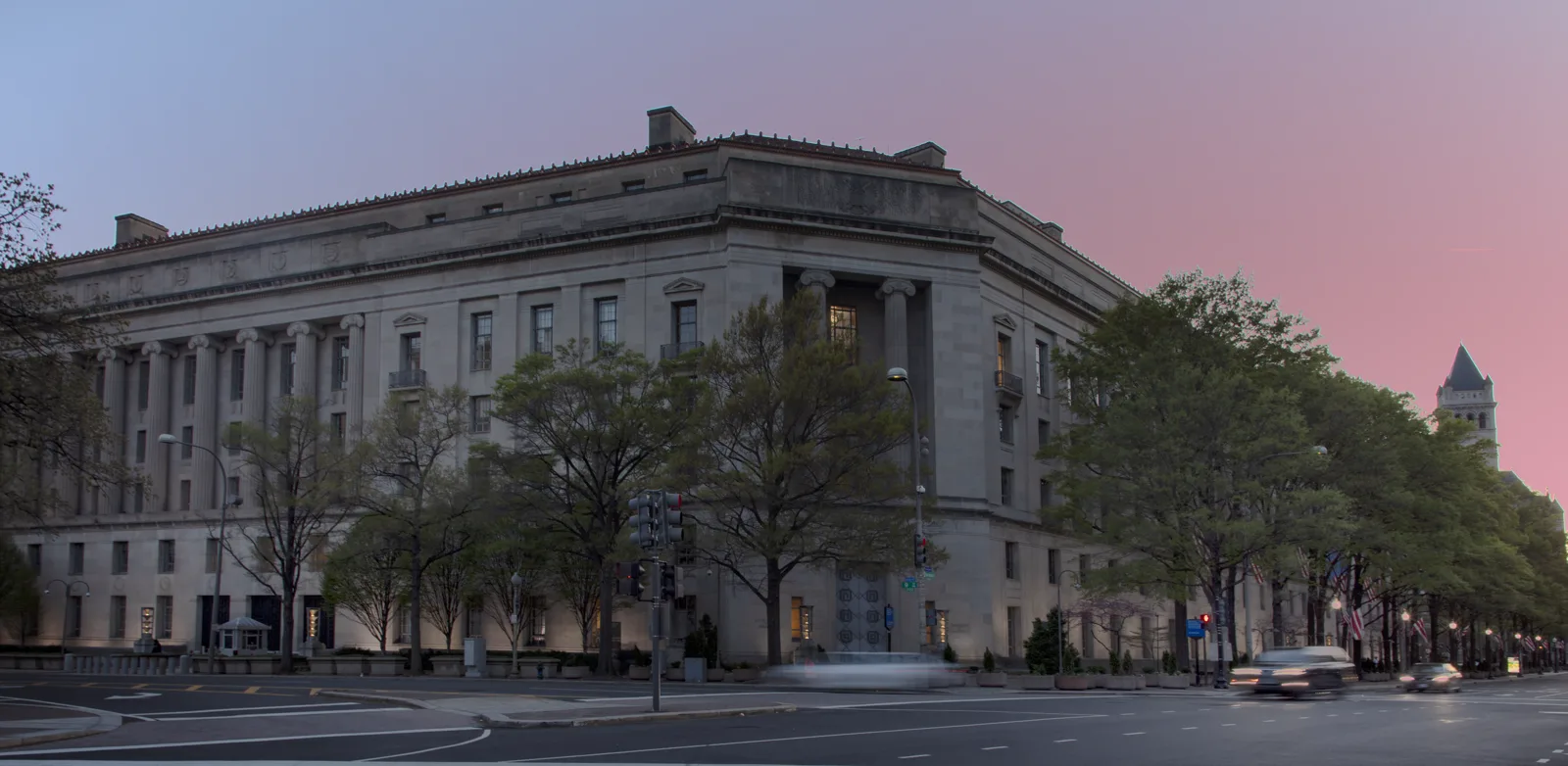
Washington. Federal laws that bar faith-based organizations from spending certain Department of Health and Human Services grants on worship, religious instruction or proselytization violate the First Amendment, the Justice Department's Office of Legal Counsel concluded in an opinion dated Aug. 25. The opinion, a month old, answers questions HHS put to the office on July 1.
It covers three laws: the 1996 welfare law, for services states pay for with Temporary Assistance for Needy Families funds; the Public Health Service Act, for substance abuse programs; and the Child Care and Development Block Grant Act. The services include job training, homeless shelters, food banks and soup kitchens, addiction treatment and child care.
What the rules require now
Under HHS rules for many programs, organizations receiving direct federal aid must offer explicitly religious activities separately, in time or location, from the funded services, and participation must be voluntary. In the opinion's example, a faith-based organization running a federally supported soup kitchen may not say a prayer before the meal unless the prayer is held apart. The child care law also bars religious providers that get 80 percent or more of their operating budget from government funds from considering religion when admitting children or hiring staff who work directly with them.
Citing Supreme Court decisions including Espinoza v. Montana Department of Revenue in 2020 and Carson v. Makin in 2022, the office concluded that the Establishment Clause does not require these limits, and that because they single out religious providers for burdens without a compelling reason, they violate the Free Exercise Clause. It said parts of its 2019 opinion upholding similar limits on loans to historically Black colleges no longer reflect the law. It found the provisions severable, so the rest of each law stands.
“Once Congress offers a generally available public benefit, it cannot condition participation on relinquishment of religious identity or practices.”
What happens next
The opinion is legal advice to HHS; the laws themselves are unchanged. It says that if the department adopts a policy of not enforcing the restrictions and its own regulations, it should report that decision to Congress within 30 days. No change to the regulations has appeared in the Federal Register. The opinion notes that a person who objects to a provider's religious character is entitled under the welfare and substance abuse laws to services from another provider.
Mike Berry, senior counsel at First Liberty Institute, a religious liberty legal group, called the opinion "a giant first step" toward ending religious discrimination in government funding, the Deseret News reported. Annie Laurie Gaylor, co-president of the Freedom From Religion Foundation, said the First Amendment "does not require the government to bankroll prayer, preaching or proselytizing."
About this story
501c3.help wrote this story from the sources listed with it, not from material an organization sent. Our editors approved it on Sept. 29, 2026. Stories in The Nonprofit Herald are free, and nothing is asked in return. Editorial rules.
Found an error? Write to [email protected] and we will correct it.