Minnesota awards its first Farm to Food Security grants: $1.3 million for 22 projects that buy food from local farms
The Minnesota Department of Agriculture named the recipients on Sept. 28. Food shelves, food banks and other grantees in 15 counties will buy food grown and raised in the state and give it away, under a state program modeled on a former federal one.
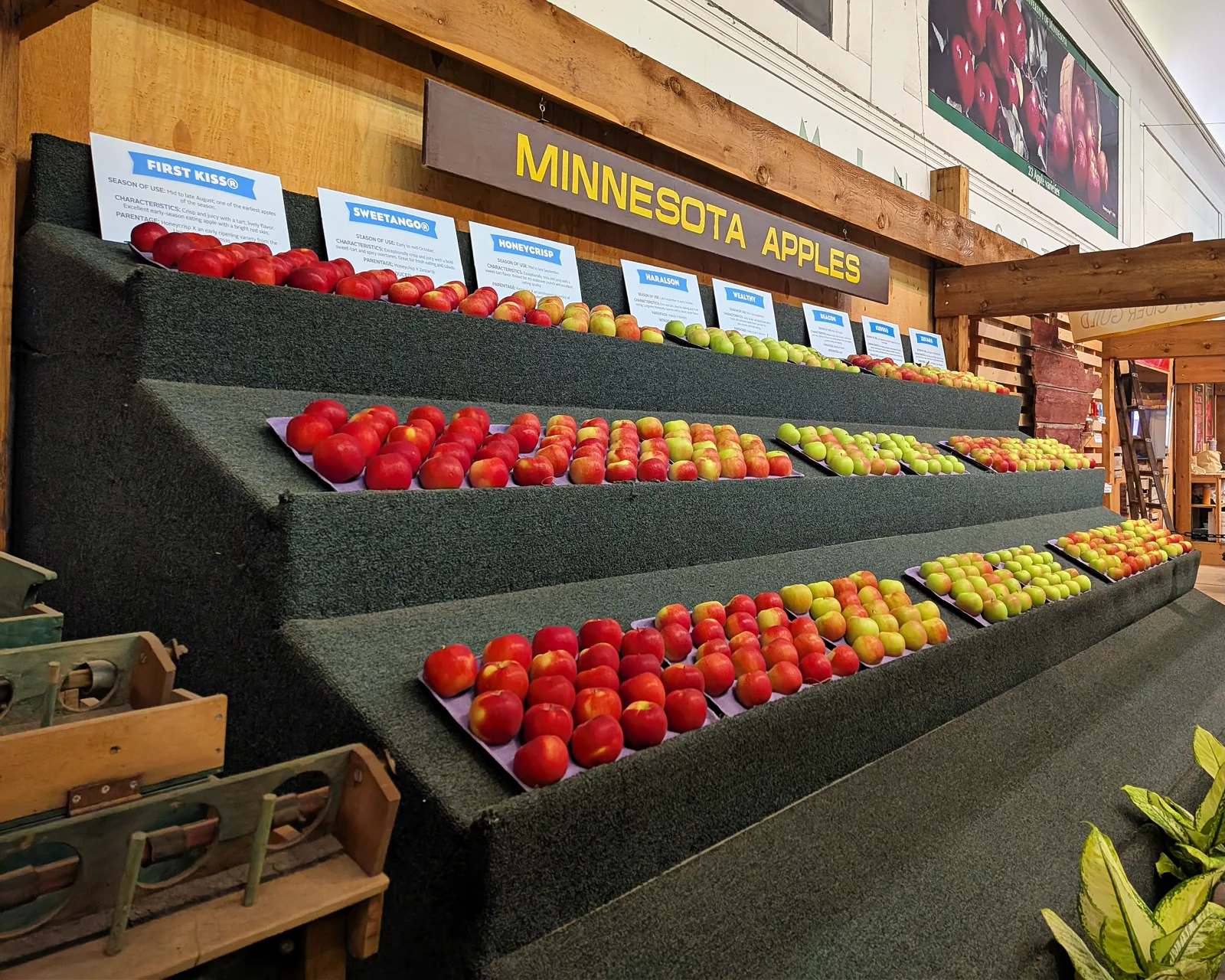
St. Paul. Twenty-two projects will share $1,295,000 to buy food from Minnesota farmers and give it away to people experiencing food insecurity, the Minnesota Department of Agriculture said on Sept. 28, when it named the first recipients of its Farm to Food Security grants.
The grantees, based in 15 counties, will buy produce, meat, dairy products, eggs, grains and other foods from farmers, food hubs, Native-owned businesses and other producers. The food will go out at no cost through food shelves, mobile markets, meal programs, home deliveries, produce prescription programs and farm-share food boxes.
Who received the money
Five grants are for $100,000, the program's maximum: Calvary Lutheran Food Shelf in South Minneapolis, the Community Action Center in Rice County, Second Harvest Northland, TC Food Justice and The Food Group. The Food Group plans to buy from at least nine Minnesota producers and supply about 180 food shelf partners in the seven-county metro area and three Tribal Nation partners, according to the department's project descriptions. Second Harvest Northland will buy from regional food hubs and farmers across its 11-county service area in northeastern Minnesota.
The recipients also include a county public health department, a tribal college and two farmers markets. The smallest award, $28,924.56, went to the Eyota Food Pantry in Olmsted County. The department received 125 applications asking for $7.1 million in all.
How the program works
The Legislature created the program in 2025 and set aside $700,000 for it in each of the fiscal years ending June 30, 2026, and June 30, 2027. It is modeled on the federal Local Food Purchase Assistance Program, which the department ran with U.S. Department of Agriculture money. In March 2025 the federal department canceled nearly $5 million it had committed to Minnesota for that program, MPR News reported.
The state grants repay costs after they are incurred. At least 85 percent of the money spent must go to food, and no more than 15 percent to storage, transportation and other administration. Requests under $50,000 needed no match; larger ones required a dollar-for-dollar match on the amount above $50,000. Whole and minimally processed foods must be at least 80 percent grown or raised in Minnesota, and people may not be charged, or required to attend classes or services, to receive the food. Projects must end by June 30, 2028.
By Jan. 15 each year, the commissioner of agriculture must report to the Legislature's agriculture committees on every grant, including how much has been paid out, the amount and type of food distributed and what went to administration. The department called these awards its first round; its program page says the application period is closed.
About this story
501c3.help wrote this story from the sources listed with it, not from material an organization sent. Our editors approved it on Sept. 29, 2026. Stories in The Nonprofit Herald are free, and nothing is asked in return. Editorial rules.
Found an error? Write to [email protected] and we will correct it.
For the organizations in this story: put the badge on your website
Put it on your About page or wherever you list press mentions, rather than in a footer that repeats on every page. It links to this story.
Linking is welcome and never required. Nothing about the story changes either way.