White House cancels $810 million Congress approved, including grants for refugee services and housing counseling
The request reached Congress on Sept. 25, five days before the money was due to expire, so it lapses before lawmakers can act. The largest item, $567 million, comes from the account that pays for refugee resettlement programs.
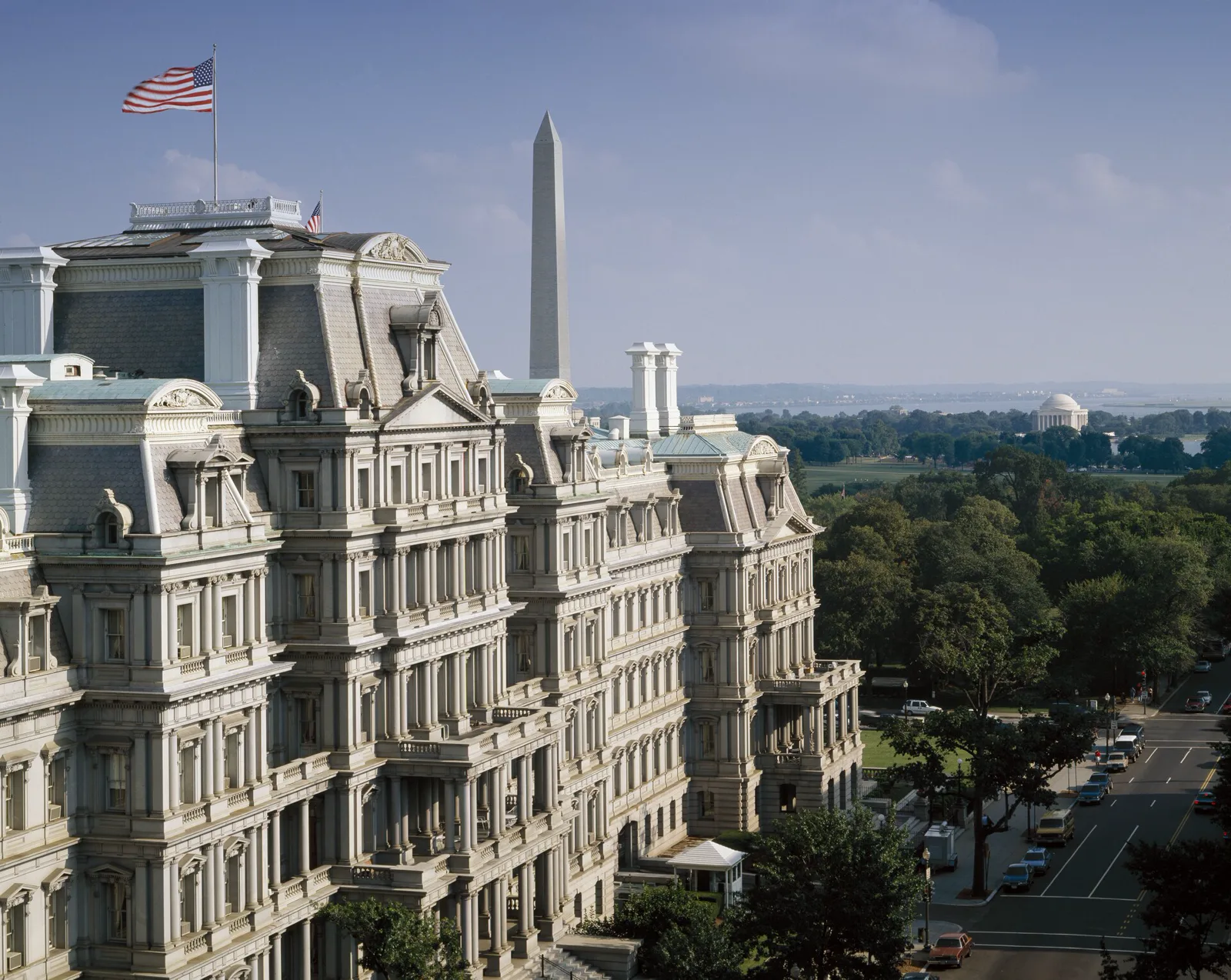
Washington. The White House asked Congress on Sept. 25 to cancel $810 million it appropriated for 11 programs, several of which pay nonprofits to serve refugees and immigrants, teach migrant students or provide housing counseling.
Under the Impoundment Control Act, Congress has 45 days of continuous session to approve a proposed cancellation, called a rescission, while the administration holds the money back. The money in all 11 accounts expires when the fiscal year ends on Sept. 30, so it lapses before Congress can act, a maneuver known as a pocket rescission.
Where the money was headed
The largest item is $567.4 million of the $6.3 billion Congress provided in fiscal 2024 for Refugee and Entrant Assistance, the account behind the Office of Refugee Resettlement's programs, which the proposal says nonprofits run for refugees, asylees and other eligible noncitizens. The administration says the account is overfunded because its policies have cut arrivals.
Four more items fund grants to nonprofits and others: $15 million for a Homeland Security pilot that paid nonprofits for mental health, social and legal orientation services to immigrants and asylees; $10 million for citizenship and integration grants; $24.9 million of $52 million for competitive grants for migrant students; and $56.1 million of $58 million for federal housing counseling grants.
The rest comes from health research, minority health and minority business programs, international education, the Justice Department's Community Relations Service and a Treasury debt relief program. The White House calls the package "nearly $1 billion," though its 11 amounts add up to $809.5 million.
A disputed power
The Government Accountability Office, Congress's auditor, concluded in 2018 that the act does not permit withholding funds through their expiration date, and says a pocket rescission is illegal. The White House calls it an authority the act gives the president, and used it last year on $4.9 billion in foreign aid, the first pocket rescission since 1977.
Intended recipients sued. On Sept. 26, 2025, the Supreme Court let the administration withhold the money, saying the government had made "a sufficient showing" at that early stage that the act precludes their suit, in an order it said "should not be read as a final determination on the merits."
Sen. Susan Collins of Maine, the Republican who chairs the Senate Appropriations Committee, called the cancellation unlawful and said the Office of Management and Budget had "intentionally withheld these funds for months." The top Democrats on both appropriations committees also condemned it. Ms. Collins told reporters on Sept. 28 that appropriators were looking at blocking pocket rescissions in the next spending bill, the Washington Examiner reported.
“OMB is an agency of the executive branch. It does not get to decide which programs are worth funding.”
About this story
501c3.help wrote this story from the sources listed with it, not from material an organization sent. Our editors approved it on Sept. 29, 2026. Stories in The Nonprofit Herald are free, and nothing is asked in return. Editorial rules.
Found an error? Write to [email protected] and we will correct it.