House bill would write due process rights for nonprofits under IRS examination into the tax code
Reps. Lloyd Doggett and Terri Sewell introduced the PROOF Act, H.R. 10258, on Sept. 3. It would require written notice before an examination, a documented record behind any revocation and at least 30 days to protest, for examinations begun since Jan. 1, 2025.
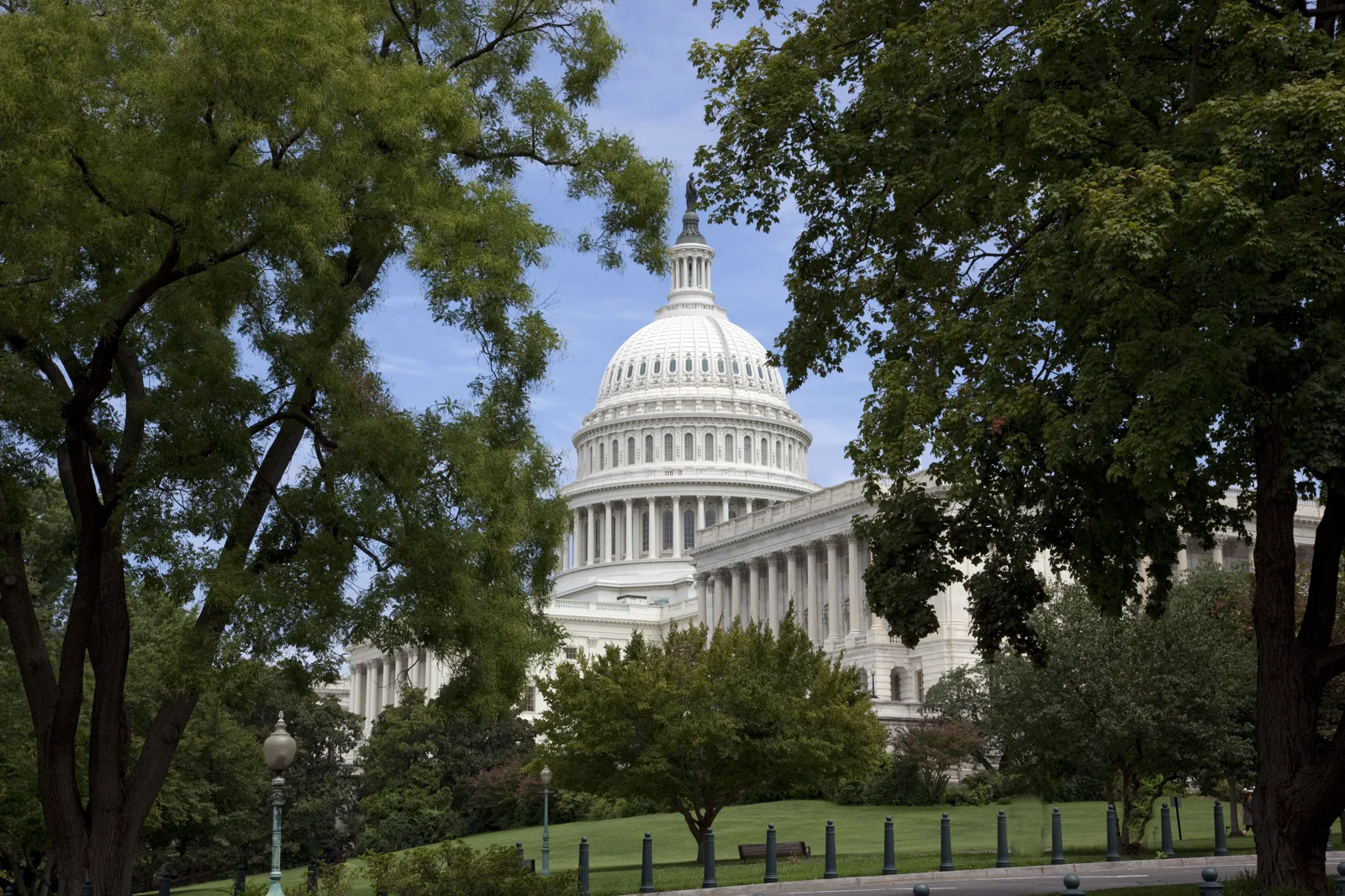
Washington. Tax-exempt organizations would have their rights in an IRS examination written into federal law under a bill two House Democrats introduced on Sept. 3. The Protecting the Rights of Organizations Fairly Act, or PROOF Act, is by Rep. Lloyd Doggett of Texas and Rep. Terri Sewell of Alabama, the top Democrat on the Ways and Means oversight subcommittee. H.R. 10258 was referred to the Ways and Means Committee; Ms. Sewell is its only cosponsor.
What the IRS would have to do
Before examining an exempt organization other than a church, which already has separate rules in the tax code, the IRS would have to send written notice of the selection, the subject and the legal provisions involved, the tax years, and the names of the examiner and a supervisor. A new issue would need a new notice.
Document requests would have to say what is sought and how it relates to the examination, and allow at least 30 days to answer; not answering a request that falls short could not be grounds for revocation. An organization could meet the examiner's supervisor over a dispute within 30 days of asking, and would get a closing conference before any proposed revocation.
The IRS could revoke an exemption only on a documented record that is prima facie evidence for its conclusion, and would have to show the organization that record on request. A final revocation letter could come no sooner than 30 days after a proposed one. An organization that asked within 30 days would get a conference with the IRS Independent Office of Appeals within 90 days. The rules would reach examinations begun after Dec. 31, 2024.
What the sponsors say it answers
IRS Publication 892 already gives an organization 30 days to protest a proposed revocation, but says appeal rights do not apply where delay would harm the government's interests, as in cases of fraud. The sponsors say many examination protections exist only in the IRS's internal manual, which the agency can rewrite on its own.
They tie the bill to an Aug. 27 New York Post report that the Treasury Department is preparing audits and revocations aimed at progressive and advocacy groups. Treasury had made no public comment on that report, a Sept. 23 analysis in WealthManagement said.
“The PROOF Act is simple: if the government wants to take away a nonprofit's status, it has to show its proof and follow the law.”
In the Senate, the Finance Committee on Sept. 17 reported the Taxpayer Assistance and Service Act, a broader IRS bill that would open the Office of Appeals to any organization whose exemption is denied or revoked, with exceptions such as a pending criminal referral.
About this story
501c3.help wrote this story from the sources listed with it, not from material an organization sent. Our editors approved it on Sept. 29, 2026. Stories in The Nonprofit Herald are free, and nothing is asked in return. Editorial rules.
Found an error? Write to [email protected] and we will correct it.