Treasury and IRS propose to end the tax exemption of private schools that consider race in any program
The proposed rule, published Sept. 4, would delete a 1975 IRS allowance for policies favoring racial minority groups. It would reach about 18,000 private schools, colleges and universities in tax years beginning after May 31, 2027. Comments are due Nov. 3.
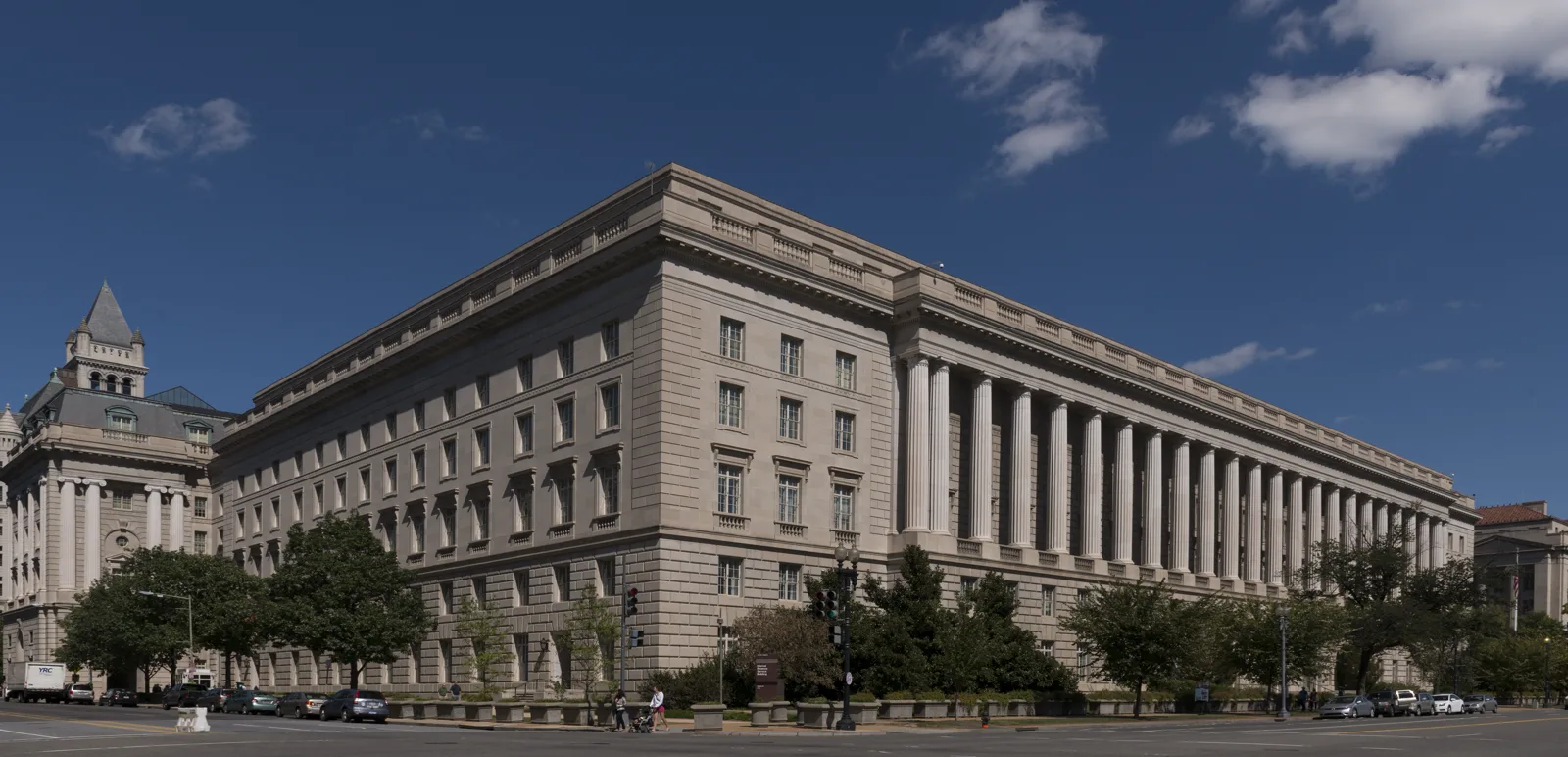
Washington. Private schools, colleges and universities would lose their federal tax exemption if they consider race, color or national or ethnic origin in admissions, scholarships, athletics or any other program they run or support, for any purpose, under regulations the Treasury Department and the Internal Revenue Service proposed on Sept. 3. The proposal appeared in the Federal Register the next day. Comments are due Nov. 3; by Sept. 28, 1,050 had been posted to the public docket.
The IRS has held since 1971 that a private school without a racially nondiscriminatory policy toward students cannot be exempt, a position the Supreme Court upheld in 1983. The proposal would write that rule into regulation and delete passages of a 1975 IRS revenue procedure saying a policy favoring racial minority groups in admissions, programs and financial aid is not discrimination when its purpose and effect is to promote the school's nondiscriminatory policy. Such policies would count as discrimination even when defended as remedial or as serving diversity.
Who it covers
The rule covers 501(c)(3) educational organizations: private primary and secondary schools, colleges, universities, and professional and trade schools. Schools run by governments are excluded. The agencies estimate it may affect 18,000 schools and 750,000 students who may qualify for scholarships based on racial, ethnic or national identity.
Religious schools could still select students by religious affiliation, as long as the criterion rests on religion alone and not on shared ancestry. Treasury said schools may still use race-neutral criteria such as family income, geography, first-generation status, hardship, military family status or academic achievement. The law firm Nixon Peabody noted that July 2025 Justice Department guidance for recipients of federal funds lists first-generation status, socioeconomic status and geographic diversity as criteria that can raise concerns as proxies for race.
Most scholarships can simply be given new criteria, the proposal says, but where a donor's terms require race, schools may need to work with the donor or heirs to change them.
“Schools rebranding race-based preferences as equitable, inclusive, or diversity-enhancing does not change their discriminatory nature.”
When it would apply
The rule would apply to a school's tax years beginning after May 31, 2027, and the agencies expect to finalize it before then. For a school with a July 1 fiscal year, the first affected year begins July 1, 2027, and for a calendar-year school on Jan. 1, 2028, the law firm Gibson Dunn wrote.
A public hearing will be scheduled if anyone who comments in time asks for one. Gibson Dunn expects legal challenges soon after a final rule and said schools will probably have to set admissions offers and aid for the 2027 to 2028 academic year before those are resolved.
About this story
501c3.help wrote this story from the sources listed with it, not from material an organization sent. Our editors approved it on Sept. 29, 2026. Stories in The Nonprofit Herald are free, and nothing is asked in return. Editorial rules.
Found an error? Write to [email protected] and we will correct it.