Minnesota attorney general settles with two charities serving Native communities over board oversight and lapsed registration
Akiing 8th Fire and the Anishinaabe Agriculture Institute agreed, without admitting the allegations, to tighten financial controls and board review of insider deals, and to restore their state charity registration within a year.
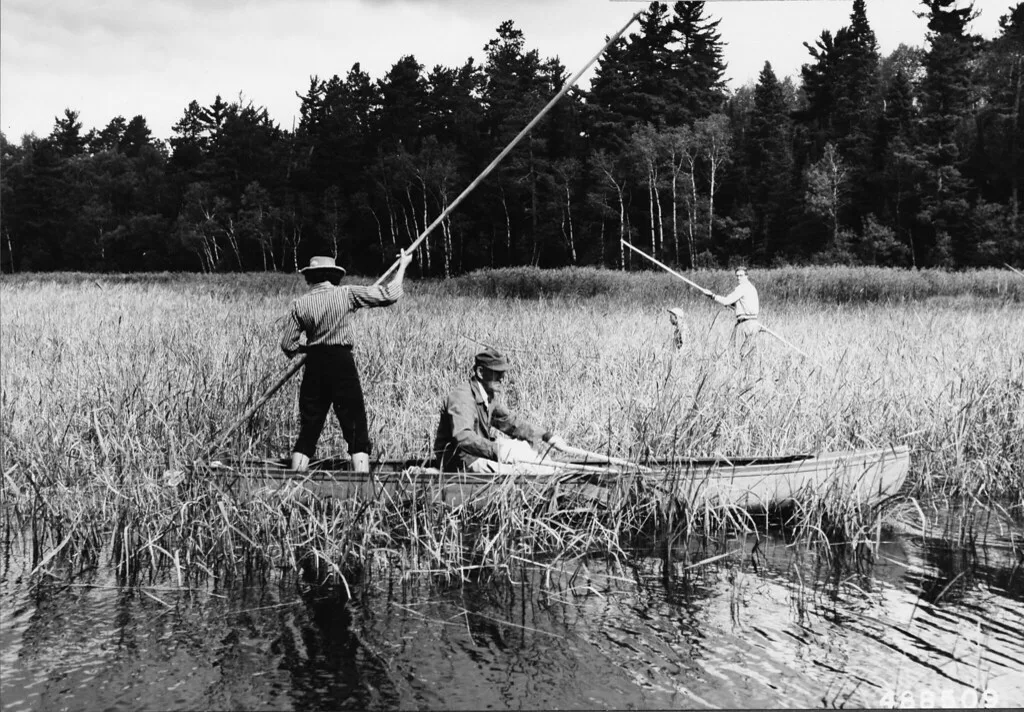
St. Paul. Minnesota Attorney General Keith Ellison announced on Nov. 5 that his office had reached settlements with two Minnesota charities that serve the Native community, Akiing 8th Fire and the Anishinaabe Agriculture Institute, after an investigation that his office says found weak financial controls, insider transactions without proper board review and lapsed state registration.
The settlements are Assurances of Discontinuance, filed in Ramsey County District Court. Neither charity admits or denies the allegations. The institute's board chair, James Reents, signed on Oct. 12, Akiing's board chair, Audrey Thayer, on Oct. 20, and the attorney general's office on Oct. 22. In the copies the office published, the judge's approval line is still blank, and the deadlines run from that approval.
What the office alleges
Both are 501(c)(3) organizations. Akiing works on land acquisition and Indigenous cooperatives and reported more than $3.3 million in contributions and grants on its 2022 tax return. The institute, whose mission is to restore local food systems and traditional heritage crop varieties, reported $513,523.
According to the agreements, a director at Akiing and an officer at the institute used nonprofit assets for for-profit business projects without board approval or consistent tracking and reimbursement, and neither board thoroughly reviewed that person's pay against market data and hours worked. Both charities gave debit cards and cash to employees and beneficiaries without consistently requiring records of what the money was for, and their boards did not consistently approve major transactions.
Minnesota requires charities that solicit contributions to register with the attorney general unless they take in less than $25,000 a year or qualify for another exemption. Both brought in well over that amount, the office says, but lost their registration after failing to file annual reports and audited financial statements.
What the charities must do
Within three months of court approval, each charity must limit direct access to its accounts, require documentation of the nonprofit purpose of every expense and require advance board approval of major transactions and of all conflicted ones. Within a year, each must restore its registration, review its articles, bylaws and policies, decide whether to pursue claims against current or former officers and directors, and report back to the office.
From now on, their boards must review account statements regularly, follow the state's procedure for related party transactions, report those transactions on Schedule L of the federal Form 990 and see that directors and officers are trained in their duties. A violation could bring contempt sanctions.
“These settlements require the charities to rebuild trust within the community by ensuring that assets are used solely toward their missions and the public receives the transparency required under the law.”
About this story
501c3.help wrote this story from the sources listed with it, not from material an organization sent. Our editors approved it on Nov. 9, 2026. Stories in The Nonprofit Herald are free, and nothing is asked in return. Editorial rules.
Found an error? Write to [email protected] and we will correct it.