Nonprofits hold nearly a quarter of New Orleans' tax-exempt real estate, and a city watchdog proposes a fee they would pay
In 2025, $2.74 billion, or 37 percent, of the city's real estate assessed value was off the tax rolls, the Bureau of Governmental Research reports. It urges city leaders to draft a fee for drainage and other infrastructure by 2027 that exempt owners would also pay.
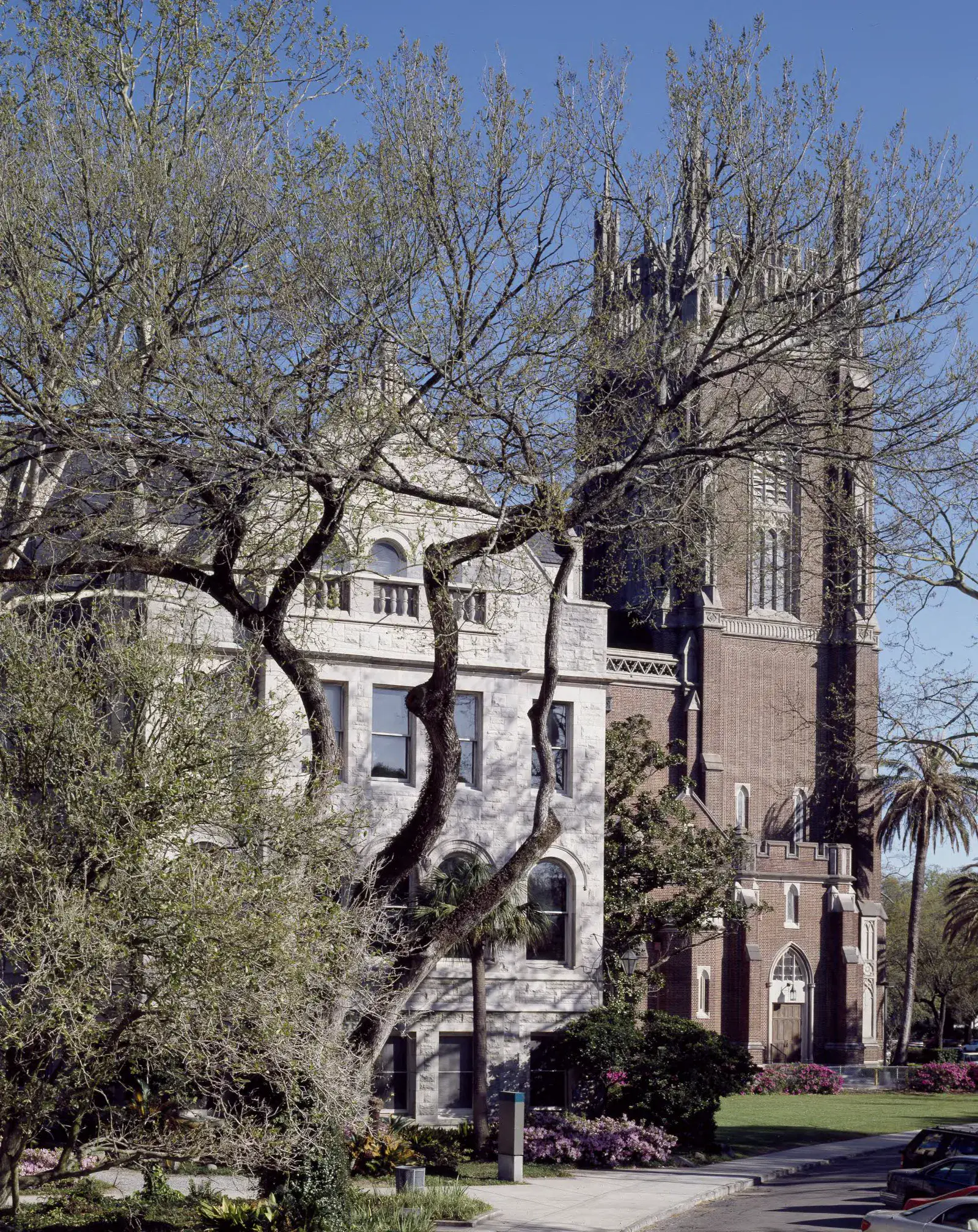
New Orleans. More than a third of the value of New Orleans real estate was exempt from property taxes in 2025, and nonprofits owned nearly a quarter of that exempt value, according to a report the Bureau of Governmental Research, a nonprofit research group in the city, released on Nov. 5.
Exempt real estate in New Orleans by type of exemption, 2025
The report, "Off the Rolls: Managing the Impacts of Tax-Exempt Property in New Orleans," finds that $2.74 billion, or 37 percent, of the city's real estate assessed value was exempt. That is down from 65 percent in 1996, when the group first studied it, but the share is likely among the largest in the country. Property taxes provide about half of all local tax dollars in New Orleans.
Who owns the exempt property
Government owns most of it: public property made up 55 percent of exempt assessed value. Nonprofits held 23 percent, or $623.8 million, on 3,954 parcels belonging to 1,012 owners. Homestead exemptions on owner-occupied homes made up 18 percent and development tax breaks 4 percent.
Five owners held 52 percent of the nonprofit share. Tulane University led with $139.4 million in assessed value, followed by LCMC, the health system that includes Touro Infirmary and Children's Hospital, with $92.3 million; the Archdiocese of New Orleans and its affiliated entities, with $51.9 million; Loyola University, with $23.8 million; and Xavier University of Louisiana, with $19.7 million. The report notes that Tulane is a financial supporter of the bureau and that it did not seek or receive editorial input from the university.
Had all exempt real estate been taxed at 2025 rates, local governments would have collected about $316 million more, the report estimates. The bureau calls that a preliminary illustration, not a suggestion that every exempt property should be taxed.
A fee instead of a tax
Louisiana's constitution sets the exemptions, so changing them takes a two-thirds vote of the Legislature and approval by voters. The bureau's first recommendation is that city leaders draft a fee by 2027 for defined infrastructure needs such as drainage. Unlike a property tax, a fee can apply to every property owner, nonprofits included.
Mayor Helena Moreno has formed a task force to study parcel fees for drainage, streets, water or other infrastructure; it had not proposed one when the report was written. A drainage property tax expires in 2027 unless voters renew it.
For the Legislature's spring 2027 session, the bureau asks for statewide reporting of exempt property by value, type and owner, a review of exemptions' costs and benefits at least once a decade, and analysis before any exemption is created or expanded.
“Many exemptions serve important public goals, and this report is not a call to tax all exempt property.”
About this story
501c3.help wrote this story from the sources listed with it, not from material an organization sent. Our editors approved it on Nov. 9, 2026. Stories in The Nonprofit Herald are free, and nothing is asked in return. Editorial rules.
Found an error? Write to [email protected] and we will correct it.
For the organizations in this story: put the badge on your website

Put it on your About page or wherever you list press mentions, rather than in a footer that repeats on every page. It links to this story.
Linking is welcome and never required. Nothing about the story changes either way.