New tracker counts $177 billion in federal funding canceled, frozen or slowed since January 2025
The States United Democracy Center and Grant Witness released Lost Funds on Sept. 16. By the Herald's count of its data, slower grantmaking makes up more than half the total, and nonprofits are among the recipients in 43 of its 61 kinds of disruption.
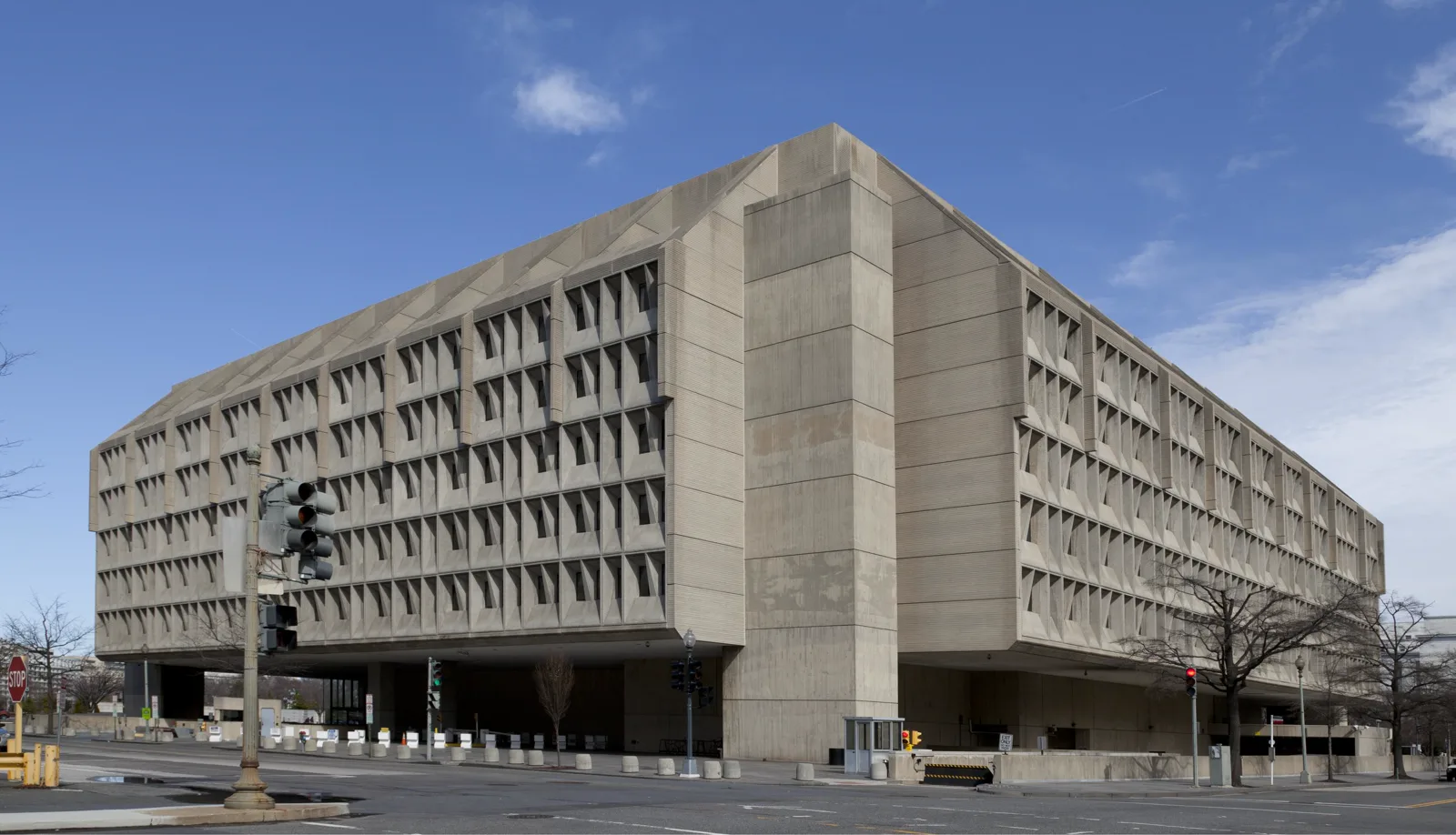
Washington. Federal funding canceled, frozen, delayed or otherwise interrupted since President Trump took office in January 2025 comes to $177 billion, according to a tracker released on Sept. 16 by the States United Democracy Center, a Washington nonprofit, and Grant Witness, a group of scientists, researchers and attorneys that documents changes in federal funding.
The tracker, called Lost Funds, draws mainly on USAspending data and covers 17 policy sectors and 16 federal agencies, the groups said. Health grants took the largest hit, $58.1 billion at launch. In the data as updated Sept. 23, food and nutrition, disaster relief and the environment come next. The data lists nonprofits among the affected recipients in 43 of the 61 kinds of disruption it records, by the Herald's count.
What the total counts
The tracker counts three things: the formal cancellation of funding an agency had committed, a freeze in which recipients cannot draw down funds though nothing was canceled, and a slowdown in grantmaking, measured by fewer new awards or fewer dollars obligated or spent than in earlier years. Where it has only national figures, it estimates each state's expected share from past spending, population or other factors.
Slowdowns are the largest part. By the Herald's count of the data, disruptions it labels funding slowdowns add up to about $95 billion, funding cut off in mid-program about $75 billion, and projects that never meaningfully began about $6 billion. The largest single entry, $36.2 billion, is SNAP food benefits for lawful permanent residents, classed as a slowdown. About $10 billion is in Puerto Rico, the other territories and the freely associated states, which the tracker follows alongside the states.
The groups said the total equals nearly 10% of federal discretionary spending, the Associated Press reported. California, Texas, New York, Illinois and North Carolina show the most money interrupted.
Lawsuits and a withdrawn figure
At launch, the tracker said states had joined 23 lawsuits and restored $35 billion. By Sept. 25 its site gave neither number. It now says 26 states have joined lawsuits, counting the District of Columbia as a state, as the tracker does throughout, and the change log of its data file says a column of restored dollars was removed on Sept. 23, after corrections on Sept. 19.
Kelly Rader, research director at States United, said Congress approved the money and the administration does not have unilateral authority to withhold it. The AP said it sent the White House a request for comment on the analysis; its story carried no reply.
The data is free to use and can be downloaded. The groups say they will add new impacts, litigation and press coverage every two weeks.
About this story
501c3.help wrote this story from the sources listed with it, not from material an organization sent. Our editors approved it on Sept. 29, 2026. Stories in The Nonprofit Herald are free, and nothing is asked in return. Editorial rules.
Found an error? Write to [email protected] and we will correct it.