Justice Department asks appeals court to revive IRS deal letting two churches address candidates in worship services
In a brief filed Sept. 21, the government argued that a Texas judge had the power to approve the settlement he refused in March. It would bar the IRS from applying the Johnson Amendment to two churches' election speech in their services, and to no one else.
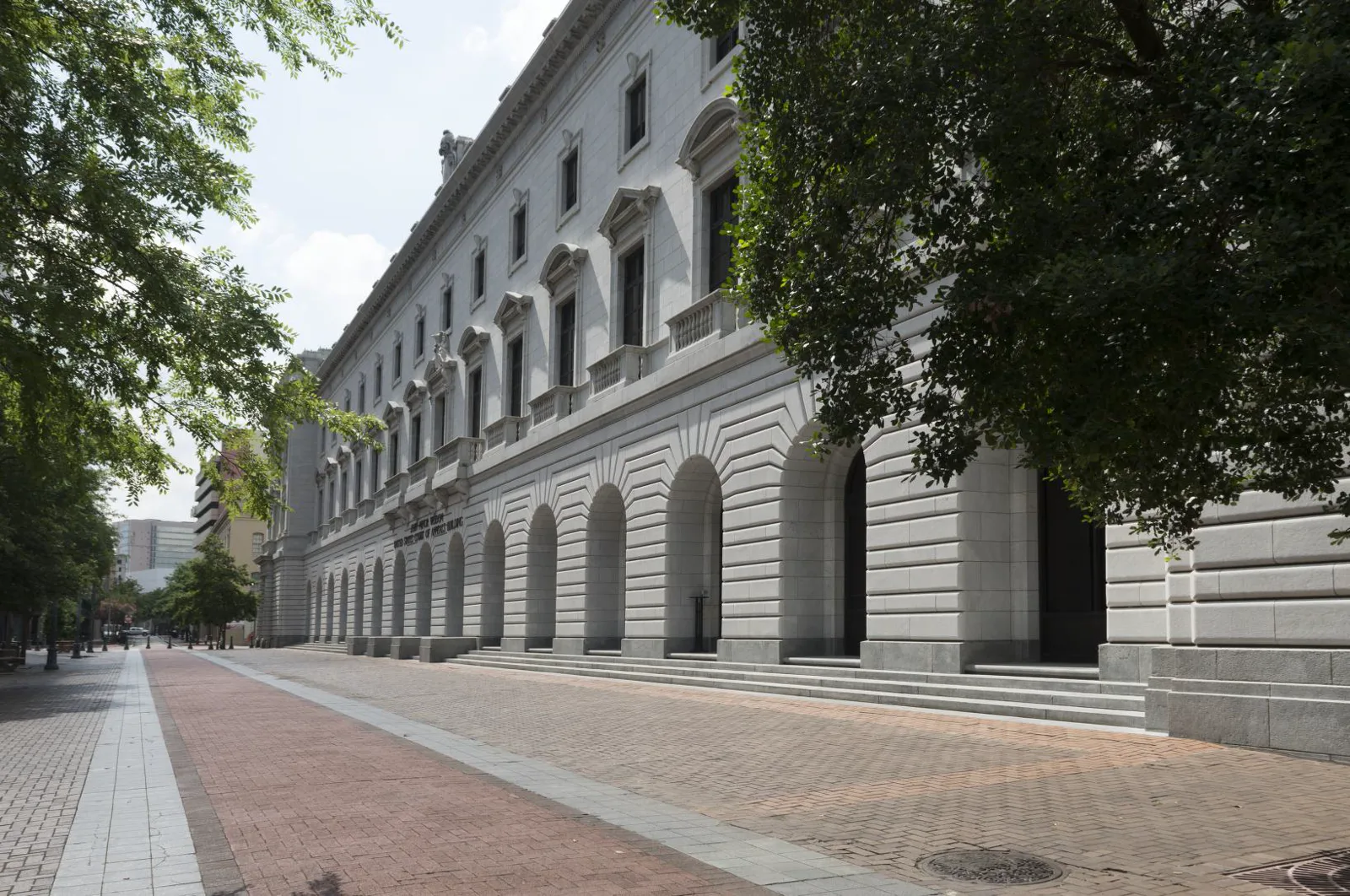
New Orleans. The Justice Department has asked a federal appeals court to revive a proposed settlement that would bar the IRS from enforcing the Johnson Amendment against two Texas churches for what they tell their congregations about elections in connection with worship services. In a Sept. 21 brief to the U.S. Court of Appeals for the Fifth Circuit, it argued that the judge who refused the deal in March could have approved it.
The amendment, in the tax code since 1954, bars 501(c)(3) organizations, churches included, from intervening in political campaigns for or against candidates. National Religious Broadcasters, Intercessors for America and two churches, Sand Springs Church in Athens, Texas, and First Baptist Church Waskom, sued the IRS over it in 2024.
The deal a judge turned down
In July 2025, under the new administration, the IRS and the plaintiffs asked the court to enter a consent judgment. It says a house of worship speaking to its congregation "through its customary channels of communication on matters of faith in connection with religious services" about electoral politics does not intervene in a campaign, and would permanently bar enforcement against the two churches for such speech. Americans United for Separation of Church and State opposed it as a friend of the court.
On March 31, U.S. District Judge J. Campbell Barker of the Eastern District of Texas dismissed the suit without deciding the merits. Because the ban is a condition of tax exemption, he held, the Anti-Injunction Act, which bars suits to restrain tax collection, left him without jurisdiction, and the parties' consent could not supply it.
What the government now argues
The brief says the churches' narrow claim fits an exception the Supreme Court recognized in 1962 for suits the government cannot win under any circumstances, citing the church autonomy doctrine, which, as the Fifth Circuit reads it, forbids civil courts to regulate sermons.
“Any IRS enforcement action under the Johnson Amendment against such speech would run headlong into the church autonomy doctrine, which prevents civil courts from adjudicating ecclesiastical matters.”
On the plaintiffs' broader claims, the government asks the court to uphold the dismissal. Mike Farris, general counsel of National Religious Broadcasters, said both sides agree the settlement should be approved and that "it is unconstitutional for the IRS to limit what a pastor may say from the pulpit," Religion News Service reported.
No date for argument has been set. The Johnson Amendment remains law for every 501(c)(3) organization, and the injunction would cover only the two churches. Treasury and the IRS said on April 3 that they would issue guidance on how the law applies to communications within religious services, with its timing to be decided later this year.
About this story
501c3.help wrote this story from the sources listed with it, not from material an organization sent. Our editors approved it on Sept. 29, 2026. Stories in The Nonprofit Herald are free, and nothing is asked in return. Editorial rules.
Found an error? Write to [email protected] and we will correct it.