Appeals court hears challenge to Illinois law requiring large grantmaking nonprofits to post board demographics
A Seventh Circuit panel heard arguments Sept. 11 in a suit against a 2024 law covering nonprofits that report $1 million or more in grants to other charities. The judges did not say when they would rule; the law remains in effect.
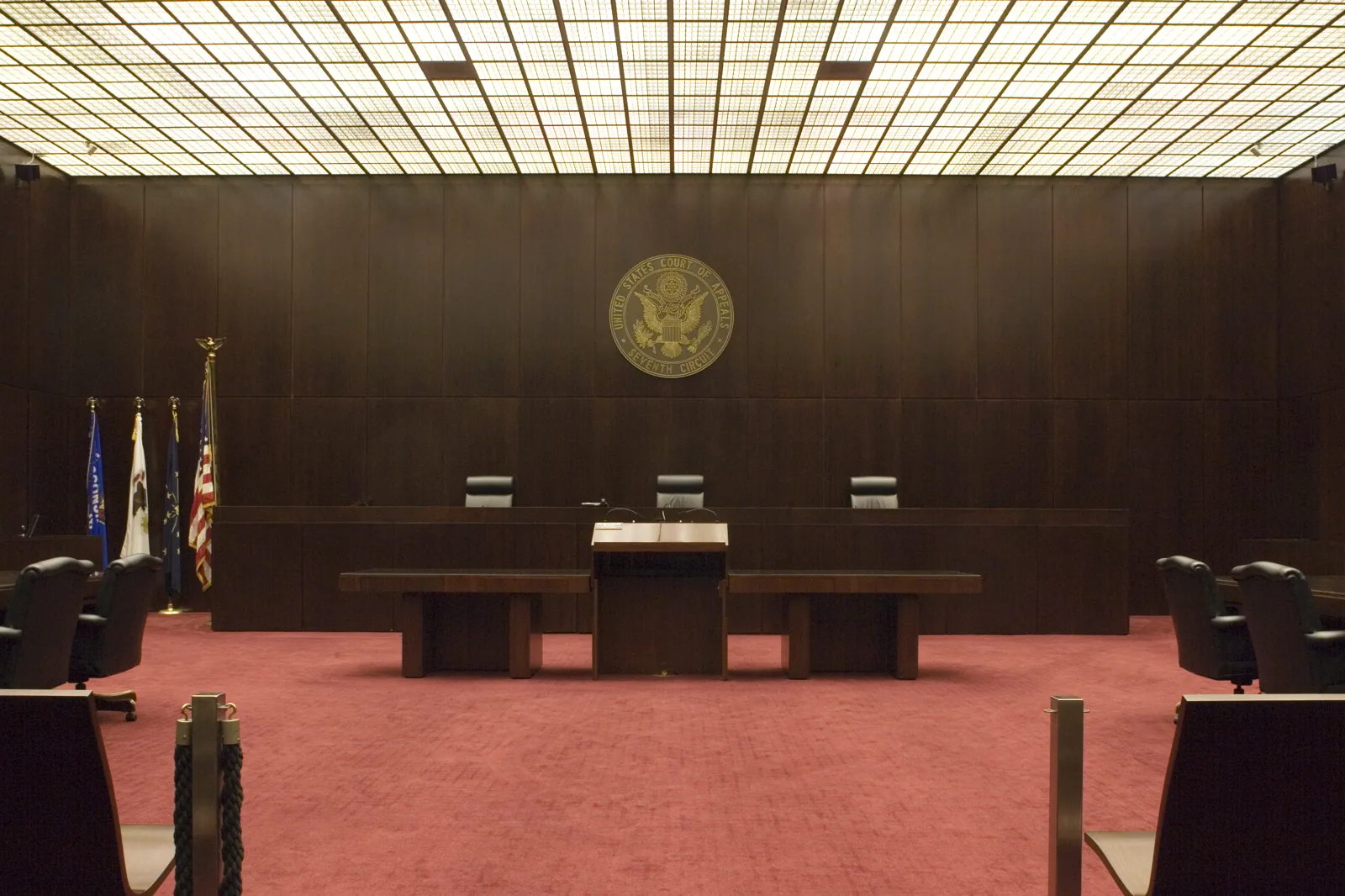
Chicago. A federal appeals court heard arguments Sept. 11 over an Illinois law that requires nonprofits making large grants to other charities to post the demographics of their directors and officers online. Judges David Hamilton, Thomas L. Kirsch II and Nancy Maldonado of the U.S. Court of Appeals for the Seventh Circuit did not say when they would rule.
Senate Bill 2930, signed by Gov. JB Pritzker on July 1, 2024, took effect Jan. 1, 2025. It covers nonprofit corporations that report grants of $1 million or more to other charities. Within 30 days after filing the annual AG990-IL report, each must post on its website, if it has one, the aggregated race, ethnicity, gender, disability status, veteran status, sexual orientation and gender identity of its directors and officers, and keep it there for at least three years. Anyone may decline to answer. The state's Department of Human Rights has published the categories.
How the case got here
The American Alliance for Equal Rights, a group led by Edward Blum that challenges racial preferences, sued in January 2025 on behalf of two unnamed member nonprofits, arguing that the law violates the First and 14th Amendments. The Justice Department joined in March 2025, arguing that the law pressures nonprofits to consider race when choosing leaders.
On Aug. 20, 2025, U.S. District Judge Sharon Johnson Coleman refused to block the law. She ruled that the alliance lacked standing to challenge the posting requirement, though its members could challenge having to ask the questions, and dismissed the federal complaint for lack of standing. Both appealed. By agreement of the parties, the law is not being enforced against the two members during the appeal.
What the judges asked
Lawyers for the alliance and the United States spent most of their time on standing, whether they may sue at all. Cameron Norris, for the alliance, said its members are directly regulated and must ask their leaders the state's questions. When Judge Hamilton noted that anyone could decline to answer, Mr. Norris said refusals would make a nonprofit look less diverse than it is.
Sarah Hunger, Illinois's deputy solicitor general, did not contest the federal government's standing and argued that the law is neutral as to race. One judge told her that, on the legislature's intent, "there are some really bad facts for you."
“Promoting diversity is not the same as discrimination.”
Ms. Hunger said a nonprofit that collects no answers need post nothing. Asked by Judge Maldonado how nonprofits were complying, she said some are disclosing and some are not, and that nonprofits may post the figures anywhere on their websites and may note that the law requires them.
About this story
501c3.help wrote this story from the sources listed with it, not from material an organization sent. Our editors approved it on Sept. 29, 2026. Stories in The Nonprofit Herald are free, and nothing is asked in return. Editorial rules.
Found an error? Write to [email protected] and we will correct it.