House Democrats propose church-style limits on IRS audits of colleges and universities
H.R. 10330, introduced Sept. 10 by Rep. Alma Adams and Rep. Jamie Raskin, would require written grounds and notice before the IRS looks into a college's tax exemption, a two-year limit on examinations and, after a clean one, a five-year wait for another on the same issues unless the Treasury Secretary approves.
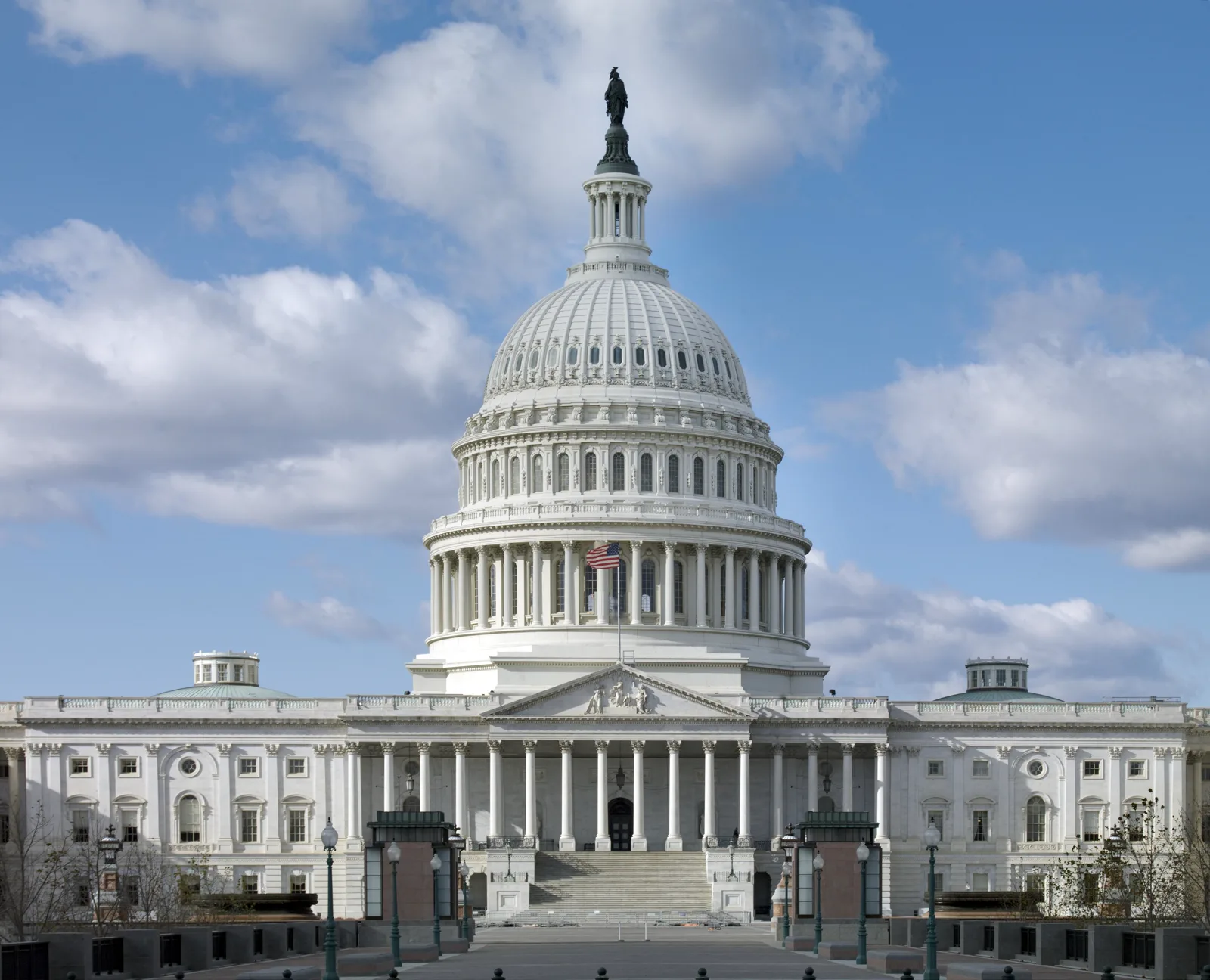
Washington. Colleges, universities and their foundations would get the protections the tax code gives churches before the IRS can question their tax exemption, under a bill that Rep. Alma Adams, a Democrat from North Carolina, and Rep. Jamie Raskin, a Democrat from Maryland, introduced on Sept. 10.
H.R. 10330, the Higher Education Oversight for Nonprofits Ensuring Standards and Transparency Act, or HONEST Act, was referred to the House Ways and Means Committee. It has 20 cosponsors, all Democrats, and its record lists no action since. The sponsors' announcement links it to regulations the Treasury and the IRS proposed this month that would deny tax exemption to private schools, colleges and universities that consider race in admissions, scholarships or other programs.
What the bill would require
Much of the bill repeats, word for word, section 7611 of the Internal Revenue Code, which has governed IRS inquiries into churches since 1984. The IRS could begin an inquiry into a college's exemption, its unrelated business income or the tax treatment of a public institution's income only if a high-level Treasury official reasonably believes, on facts recorded in writing, that the college may not qualify or may owe tax. The college would first get written notice of the concerns.
An examination of records or activities could follow only with at least 15 days' notice and an offer of a conference. Inquiries and examinations would have to end within two years of that notice, with pauses for litigation or a school's delays. Revoking an exemption would need written approval from IRS division counsel. After an examination ending with no revocation, tax bill or request for significant changes, no new one on the same or similar issues could begin for five years without the Treasury Secretary's written approval.
Within 60 days of starting an inquiry or examination, the Treasury would have to report it confidentially, naming the school, to the House Ways and Means and Senate Finance committees. The rules would cover institutions of higher education and related organizations such as foundations and endowments, would not apply to criminal investigations or willful tax evasion, and would reach only inquiries begun after enactment.
Who backs it
The American Council on Education, the American Association of State Colleges and Universities, the National Association of Independent Colleges and Universities and the Association of Public and Land-grant Universities endorse the bill, the sponsors said.
“The HONEST Act does not prevent the IRS from enforcing the law, it simply ensures a fair and transparent process before the federal government investigates a college or university.”
About this story
501c3.help wrote this story from the sources listed with it, not from material an organization sent. Our editors approved it on Sept. 29, 2026. Stories in The Nonprofit Herald are free, and nothing is asked in return. Editorial rules.
Found an error? Write to [email protected] and we will correct it.
For the organizations in this story: put the badge on your website

Put it on your About page or wherever you list press mentions, rather than in a footer that repeats on every page. It links to this story.
Linking is welcome and never required. Nothing about the story changes either way.