Georgia offers up to $10 million in federal housing grants that nonprofits can use to repair and build homes
The state Department of Community Affairs is taking applications through Jan. 31 for its 2027 Community HOME Investment Program, which pays to repair owner-occupied homes and build single-family homes for low-income buyers. Nonprofits with 501(c)(3) or 501(c)(4) status may apply.
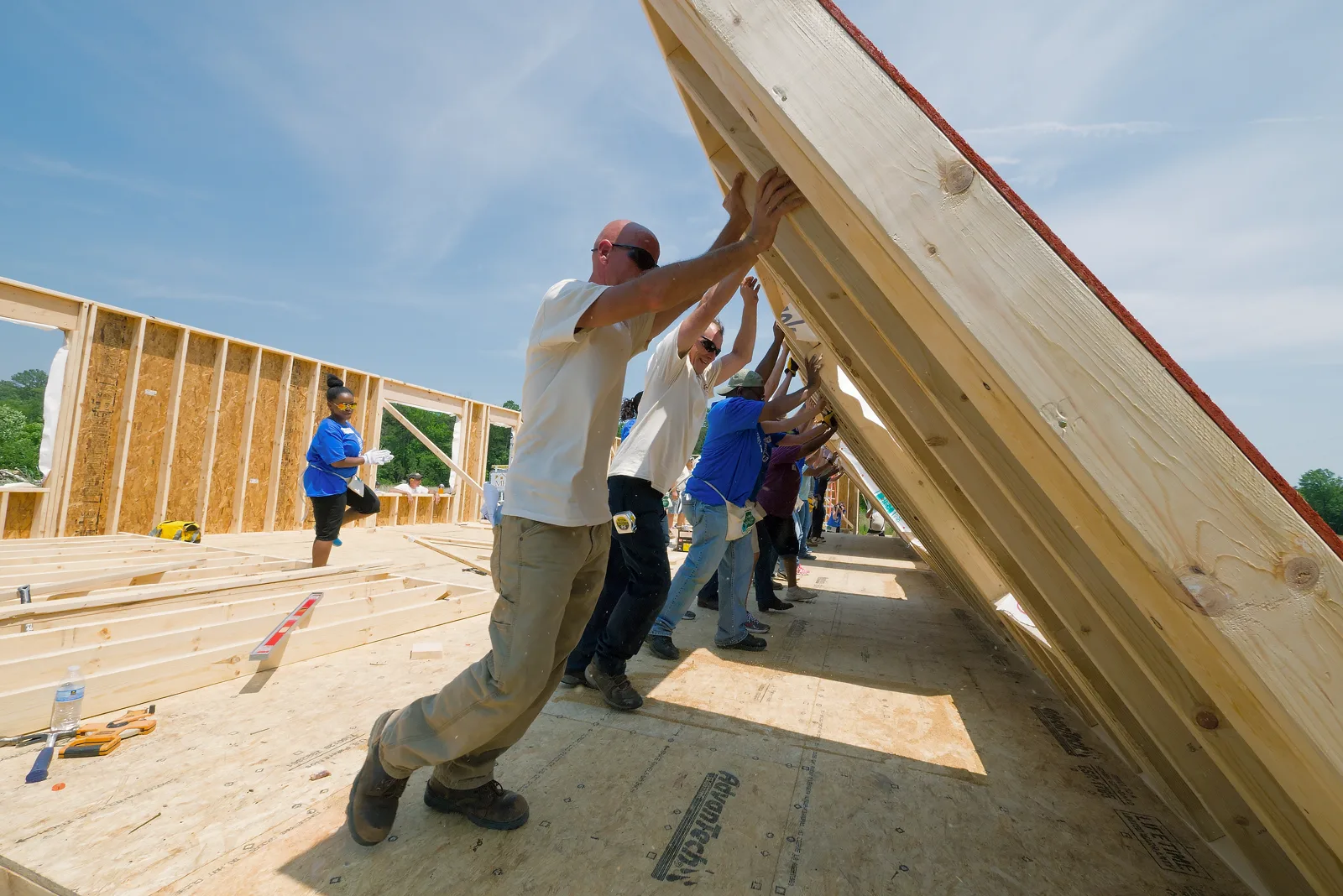
Atlanta. Nonprofits in Georgia that build or repair homes for low-income families can apply through Jan. 31 for a share of up to $10 million that the state Department of Community Affairs is offering in its 2027 Community HOME Investment Program, known as CHIP.
The money comes from the federal HOME Investment Partnerships Program and follows its rules. Eligible applicants are city and county governments, public government authorities and nonprofits with 501(c)(3) or 501(c)(4) status, the department said in a release dated Oct. 5. Current grantees may apply only if they have spent more than half of their present award. Thirteen cities and counties that receive HOME funds directly from HUD, among them Atlanta, Savannah, Fulton County and DeKalb County, may not apply, but nonprofits and authorities within them may.
What the money pays for
The program funds two kinds of work, according to its application manual: up to $500,000 to rehabilitate homes their owners live in, and up to $1.5 million to build or rebuild affordable single-family homes for sale. The department may raise those limits for applicants that show enough capacity and need.
Homeowners and buyers must earn less than 80 percent of their county's median income and be U.S. citizens or legal residents. Repairs reach homeowners as a zero percent deferred loan that is forgiven if they keep the house as their main residence. Buyers can receive up to $40,000 in subsidy as an interest-free forgivable loan.
What nonprofits must show
A nonprofit must already comply, when it applies, with Georgia's law on nonprofit contractors, which sets accountability, audit and reporting rules for nonprofits that receive state funds, and must stay in compliance until the grant is closed. Nonprofit applicants attach their audited financial statements, or year-end financials if they are not required to have an audit, and a copy of their IRS determination letter. A nonprofit that acts as its own developer does not have to run a competitive procurement, and a contracted developer may receive a fee of up to 20 percent of the CHIP-funded development costs.
The manual also asks for a match, which may be cash or a non-cash contribution such as land, materials, labor or homebuyer counseling. The application fee is $500 for home repair and $1,000 for new construction.
Applicants for new construction must send a pre-screening form by Nov. 15, and program staff will reply by Dec. 1. The department will hold an application webinar on Oct. 21. Applications are filed through the Emphasys online portal and are due at 11:59 p.m. on Jan. 31, 2027. The department plans to sign agreements with the selected applicants by Sept. 1, 2027, and the work must be finished within three years.
About this story
501c3.help wrote this story from the sources listed with it, not from material an organization sent. Our editors approved it on Oct. 8, 2026. Stories in The Nonprofit Herald are free, and nothing is asked in return. Editorial rules.
Found an error? Write to [email protected] and we will correct it.