Virginia offers $2 million in grants for charities to buy food from the state's farms
The Virginia Department of Agriculture and Consumer Services opened the fall round of its Virginia Agriculture Food Assistance Program on Nov. 16. Charitable food organizations have until 5 p.m. on Jan. 4 to apply for reimbursable grants to buy Virginia Grown products.
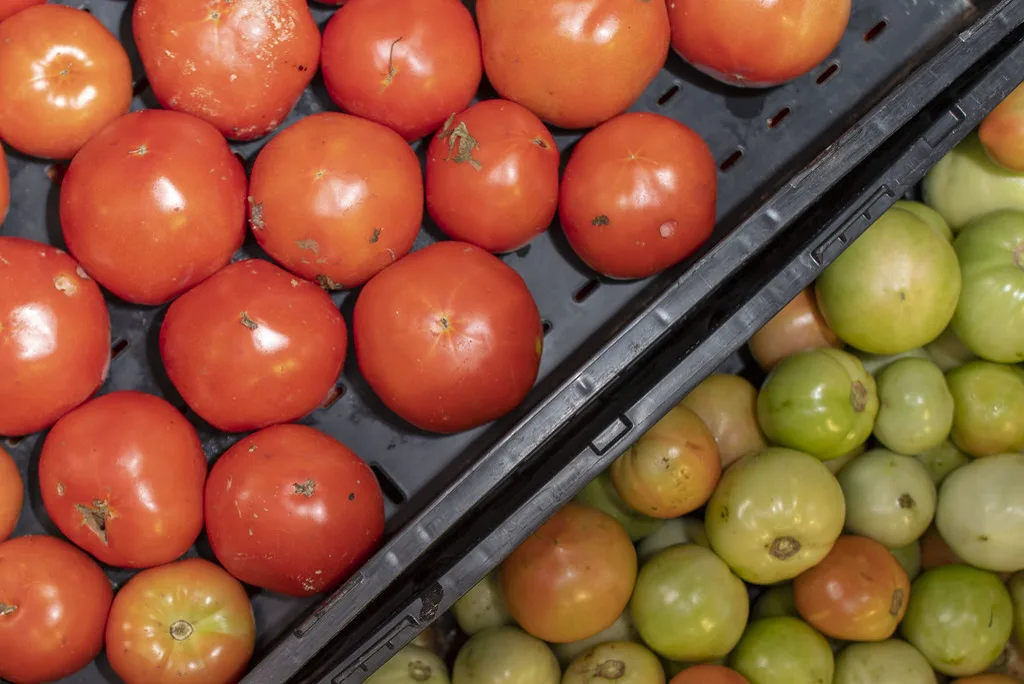
Richmond. Charitable food organizations in Virginia can apply until Jan. 4 for a share of $2 million in state grants to buy fruit, vegetables, dairy, meat and other products from Virginia farms and pass them on to residents who do not have enough to eat.
Money available in each round of the Virginia Agriculture Food Assistance Program
The Virginia Department of Agriculture and Consumer Services opened the fall 2026 round of its Virginia Agriculture Food Assistance Program on Nov. 16, with applications due by 5 p.m. Eastern time on Jan. 4, 2027. The spring 2026 round had $1.1 million, according to the department's program page, which lists 22 organizations that received grants in that round, from $15,000 to $150,000. Appalachian Sustainable Development and the Federation of Virginia Food Banks each received $100,000, and Shalom Farms in Richmond received $45,000.
Who can apply and what the money buys
Applicants must be charitable food assistance organizations that have operated for at least three years, are authorized to do business in Virginia and are in good standing, according to the program's guidelines. They must show they can buy from Virginia farmers and producers and that they have, or will build, a way to get the food to people in need. Virginia Grown means food grown, harvested, packaged or minimally processed in the state.
The grants are paid only as reimbursement, monthly or quarterly, after costs are incurred and documented, so applicants must show they can front project expenses. At least 90 percent of a budget must go to direct costs, the money paid to farmers or producers for harvesting, processing or transporting Virginia products, and administrative costs are capped at 10 percent. Equipment, construction, tuition, stipends, entertainment and the rental of transportation or storage are not allowed.
How applications will be judged
A review panel will score proposals out of 100 points: 35 for the project's purpose, including partnerships with local farmers and community-wide or regional reach, 35 for the project plan and its timeline, 15 for how outcomes will be measured and 15 for the budget. The department makes the final decisions.
Grants will run up to 18 months, with an expected period of March 1, 2027, to Aug. 31, 2028. Recipients will report each quarter on measures such as the number of local producers they bought from, pounds of food distributed, people served and localities reached.
Applications go through the department's WebGrants portal, and applicants must register for an account and have it approved before they can apply. CBS19 News, citing the department's announcement, reported that applicants should allow several days for that. A Commonwealth of Virginia W-9 form is required; the federal form is not accepted.
About this story
501c3.help wrote this story from the sources listed with it, not from material an organization sent. Our editors approved it on Nov. 18, 2026. Stories in The Nonprofit Herald are free, and nothing is asked in return. Editorial rules.
Found an error? Write to [email protected] and we will correct it.
For the organizations in this story: put the badge on your website

Put it on your About page or wherever you list press mentions, rather than in a footer that repeats on every page. It links to this story.
Linking is welcome and never required. Nothing about the story changes either way.