Florida's governor and Cabinet designate CAIR and two other groups as domestic terrorist organizations under a new state law
The Sept. 29 vote applies a law that bars state and local money and contracts for designated groups and makes material support a felony. CAIR, whose lawyers say the state has identified no violent act by it, is challenging the law in federal court.
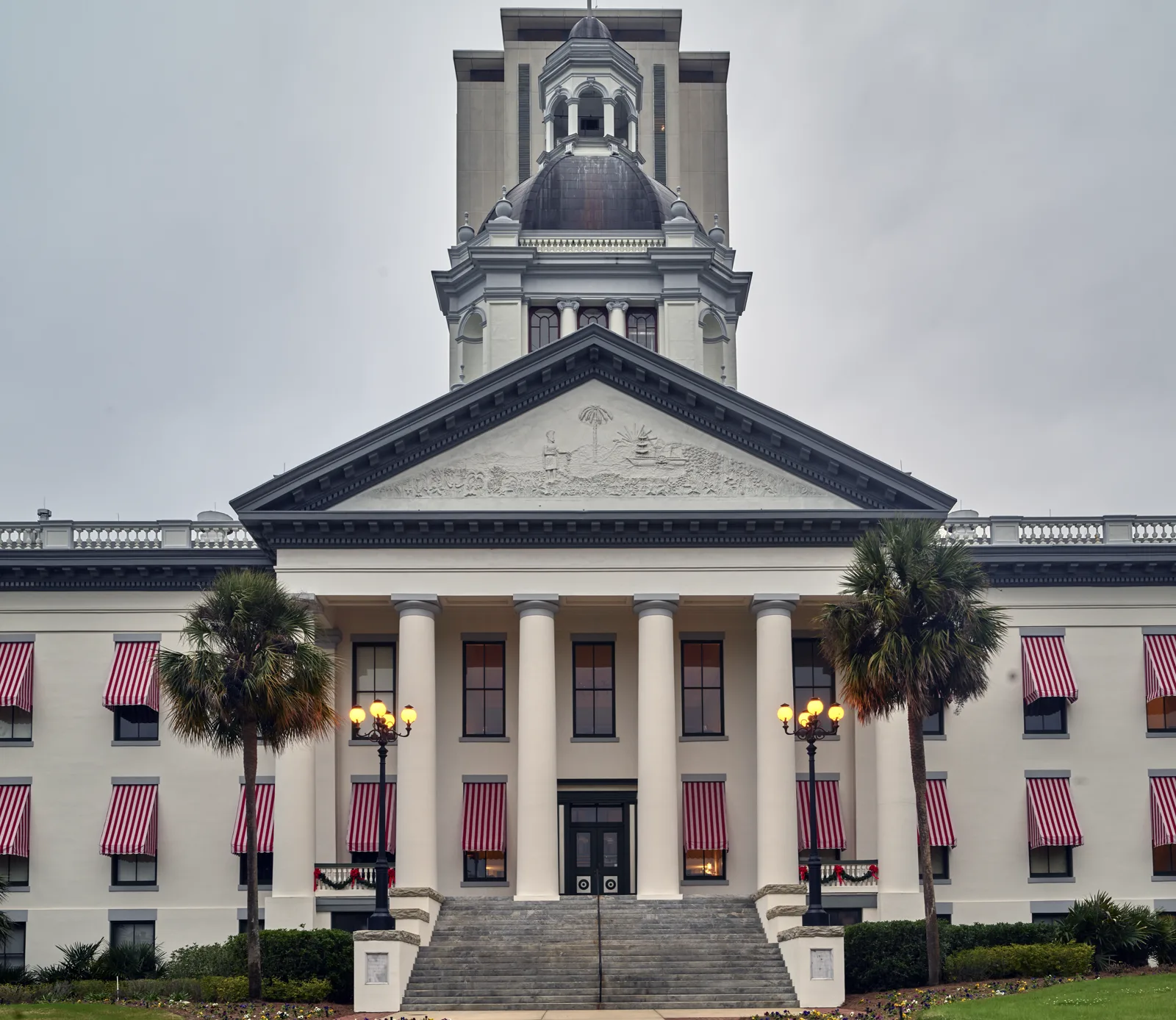
Tallahassee. Gov. Ron DeSantis and the Florida Cabinet voted on Sept. 29 to designate the Council on American-Islamic Relations, including its Florida chapter, the Muslim Brotherhood and antifa as domestic terrorist organizations under a state law that took effect July 1. CAIR, which describes itself as a civil rights organization for American Muslims, is challenging the law in federal court.
Reports gave different totals. The meeting package of the Florida Department of Law Enforcement holds notices for those three and for 100 foreign organizations already designated by the U.S. State Department, among them cartels and armed groups. CBS News and WLRN reported more than 90 foreign groups.
What the law does
House Bill 1471, approved by the governor on April 6, lets the state's Chief of Domestic Security designate a group that operates in the United States and, in the chief's finding, engages in terrorist activity that is an ongoing threat. The governor and Cabinet approve or reject each designation by majority vote.
Once a designation is published in the Florida Administrative Register, state agencies, local governments and school districts may not spend public money to support the group, contract with it or accept its funds. Knowingly providing it material support becomes a first-degree felony. The Department of State may dissolve a designated Florida corporation once any timely court challenge is resolved against it.
Under the department's emergency rule of Sept. 11, a designation takes effect 30 days after its notice is published, which the law requires within seven days of approval; The Florida Trib reported the expected date as Nov. 5. The rule says membership alone is not cause for prosecution. A designated group may challenge the designation in circuit court in Leon County within 30 days of publication.
The challenge
The department's summary for CAIR cites the 2008 Holy Land Foundation trial, where it says CAIR was identified as one of the structures of a U.S. Muslim Brotherhood committee that supported Hamas.
In a written objection dated Sept. 25 and included in the package, lawyers for CAIR and CAIR-Florida said the notice identifies no violent act by either group. The two sued in federal court in Tallahassee on July 1, arguing that the law violates the First Amendment and due process, CBS News reported.
Hina Shamsi, director of the ACLU National Security Project, said attorneys planned to seek a preliminary injunction on Thursday and that she had asked to speak at the meeting but was not recognized. When the Cabinet approved the rule on Sept. 11, Mr. DeSantis said it gave the state a framework to defend Floridians against hostile actors and terrorist groups, according to CBS News.
About this story
501c3.help wrote this story from the sources listed with it, not from material an organization sent. Our editors approved it on Sept. 30, 2026. Stories in The Nonprofit Herald are free, and nothing is asked in return. Editorial rules.
Found an error? Write to [email protected] and we will correct it.