FEMA awards $300 million in security grants to more than 1,600 nonprofits, most of it to houses of worship
The Federal Emergency Management Agency announced the Nonprofit Security Grant Program awards for fiscal 2026 on Sept. 28. The money reaches recipients through state agencies and pays for cameras, alert systems, gates, lighting, access controls and staff training.
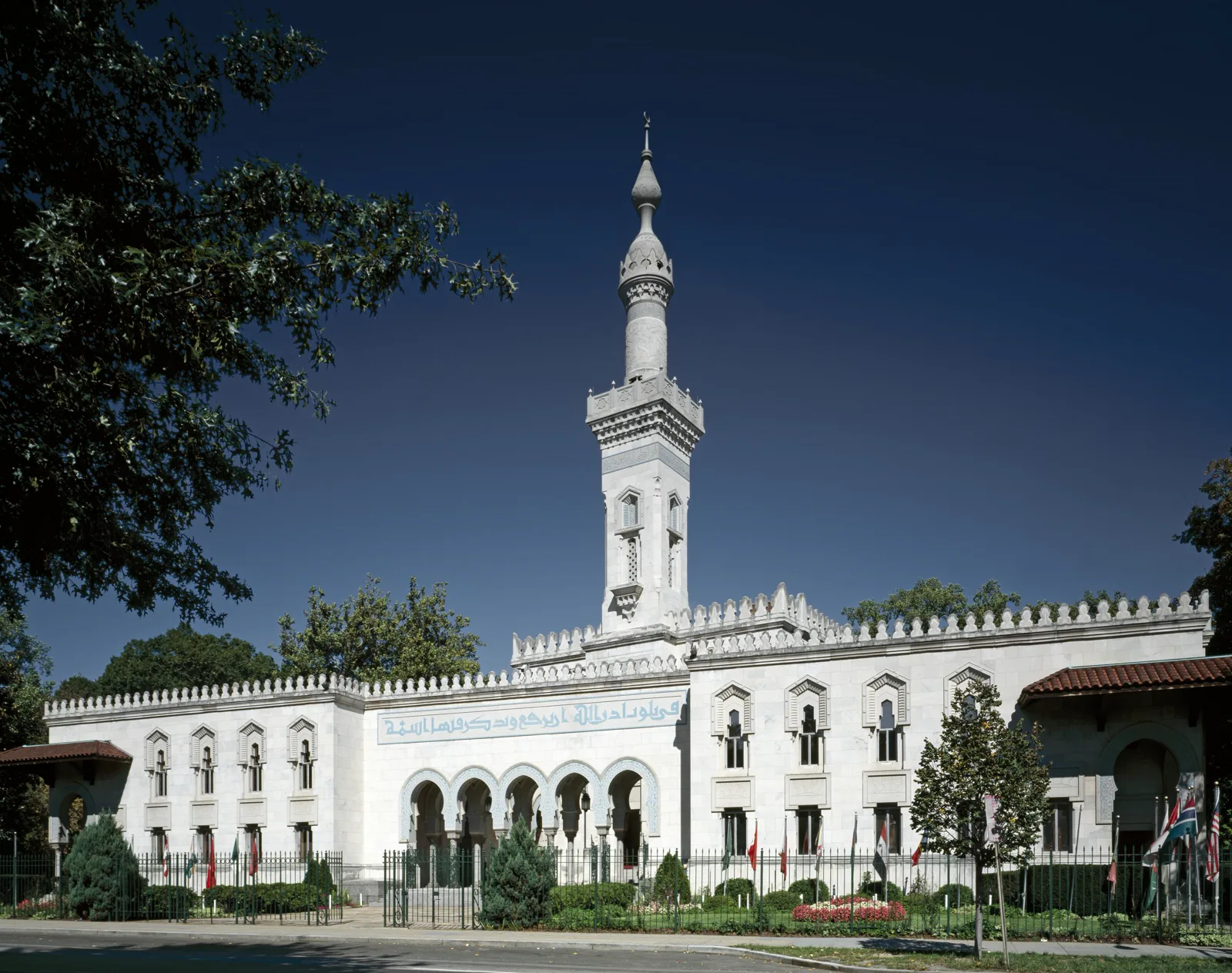
Washington. More than 1,600 nonprofit organizations across the country will share $300 million in federal security grants, the Federal Emergency Management Agency announced on Sept. 28. Houses of worship received most of the money, the agency said.
The awards are this year's round of the Nonprofit Security Grant Program, which pays for target hardening and other physical security at nonprofits at high risk of terrorist attack. FEMA said the recipients include Christian, Muslim, Hindu, Buddhist, Sikh and Jewish institutions, along with schools, medical facilities, senior centers, camps, museums, shelters and community centers.
How the money reaches nonprofits
Nonprofits do not receive the grants from FEMA directly. The agency awards them through each state's administrative agency, which takes the applications and passes the money on to the organizations selected. FEMA's release does not list the recipients or say how much went to each state.
The grants pay for security cameras, warning and alert systems, gates and lighting, access control systems and training for staff, the agency said. FEMA Administrator Cameron Hamilton said the awards help organizations protect their communities from acts of targeted violence.
The program has $300 million for fiscal 2026, divided equally between its urban area stream, for nonprofits in designated high-risk urban areas, and its state stream, according to FEMA's program page. The total a year earlier was $274.5 million.
Applicants had to be 501(c)(3) organizations. Under this year's rules, as Maryland's Department of Emergency Management describes them, each could request up to $200,000 per site for up to three sites in each of the two funding streams, and no more than $600,000 in a state. Maryland took applications from June 30 to July 15.
What advocates want next
The Jewish Federations of North America welcomed the awards on Sept. 29. The federations say their own data show that the Jewish community in the United States spends more than $1 billion a year on security. They are pressing Congress to pass the Jewish American Security Act, a bill that would authorize $1 billion for the program, more than three times this year's total.
“The need for NSGP support, however, still far outpaces supply, which is why Congress must move swiftly to pass the bipartisan Jewish American Security Act and fully fund the NSGP at $1 billion.”
About this story
501c3.help wrote this story from the sources listed with it, not from material an organization sent. Our editors approved it on Sept. 30, 2026. Stories in The Nonprofit Herald are free, and nothing is asked in return. Editorial rules.
Found an error? Write to [email protected] and we will correct it.
For The Jewish Federations of North America: put the badge on your website
Put it on your About page or wherever you list press mentions, rather than in a footer that repeats on every page. It links to this story.
Linking is welcome and never required. Nothing about the story changes either way.