Pennsylvania committees advance bills on prize limits, club proceeds and card payments for raffle tickets
A Senate committee approved bills on Sept. 29 that would raise the weekly prize cap for small games of chance to $60,000 and let clubs keep half their proceeds. A House committee the same day amended a Senate-passed bill letting charities take cards and mobile payments for raffle tickets.
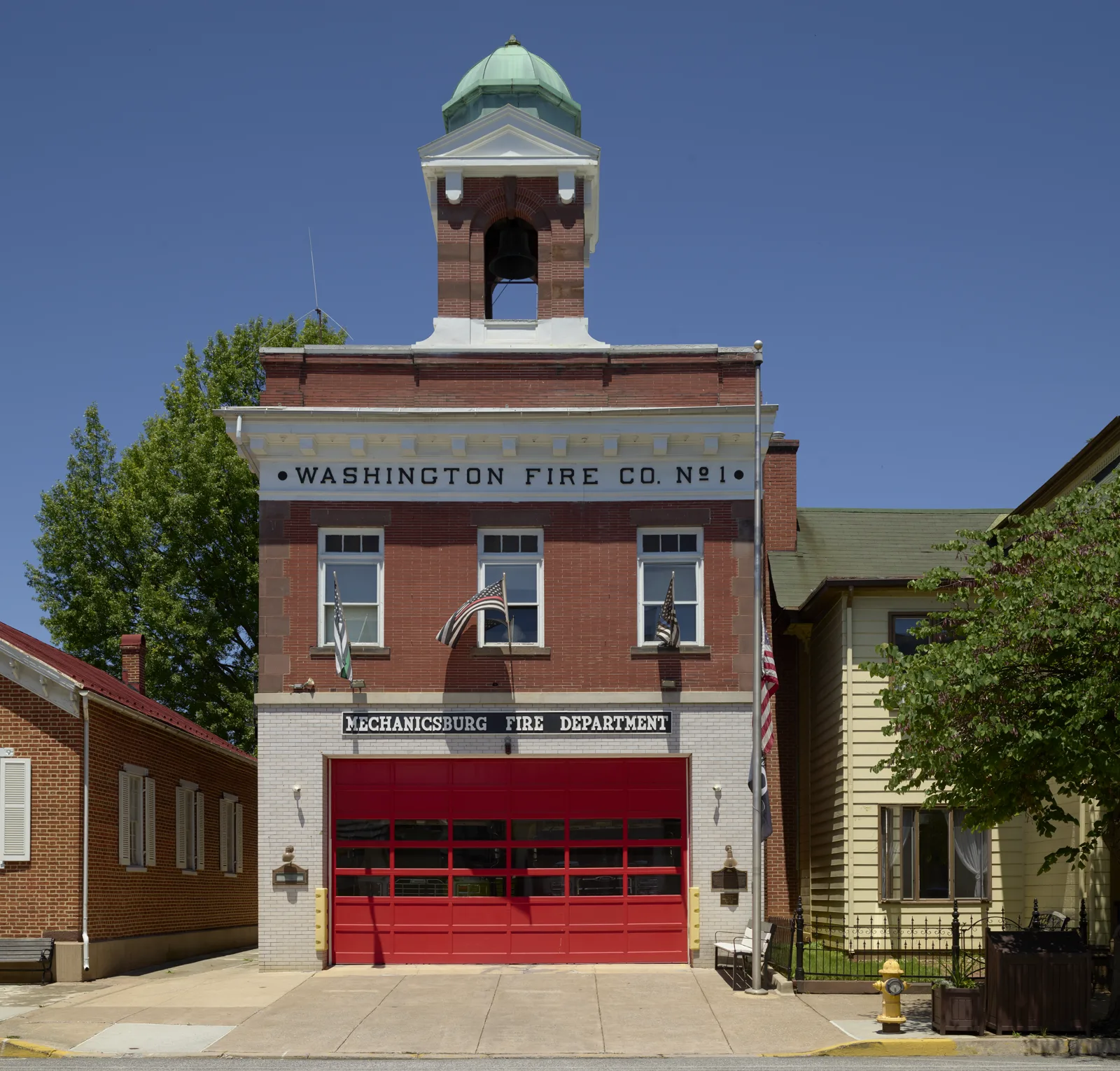
Harrisburg. A Pennsylvania Senate committee on Sept. 29 approved three bills that would change how fire companies, veterans' groups, clubs and other nonprofits raise money through small games of chance. The same day, a House committee advanced a Senate bill that would let them take electronic payments for raffle tickets.
The Senate Community, Economic and Recreational Development Committee, chaired by Sen. Rosemary Brown, a Republican, approved Senate Bills 995, 465 and 330, according to the Senate Republican caucus. All three now go to the full Senate.
Prize limits and club proceeds
Senate Bill 995, by Sen. Chris Gebhard, a Republican, would raise the most a licensed organization may award in prizes from games of chance in any seven-day period to $60,000, from $35,000. The caucus said the cap has not changed since 2013. Mr. Gebhard said it forces many groups to shut down games once they reach it.
Senate Bill 465, by Sen. Dan Laughlin, a Republican, would let a licensed club keep up to 50 percent of its proceeds from games of chance, up from 40 percent. The share it must spend on public interest purposes within a year would fall to at least 50 percent, from 60 percent. The change would apply to calendar years starting after Dec. 31, 2025.
Senate Bill 330, by Sen. Michele Brooks, a Republican, amends the Sports Raffle Charities Act, which governs 50/50 drawings at major league and college sporting events. Of the half of the pot that goes to charity, 95 percent would still go to the designated charities and 5 percent would fund the Fire Company Grant Program and the Emergency Medical Services Grant Program of the Office of the State Fire Commissioner.
Raffle tickets by card
Senate Bill 416, by Sen. Devlin Robinson, a Republican, passed the Senate 49 to 0 on July 16, 2025. Licensed organizations may now take only cash or checks for raffle tickets, the caucus said. The bill would let them accept credit cards, debit cards, mobile payment services and other electronic payments, provided they verify that each buyer is at least 18 and stay within federal law on unlawful internet gambling.
The House Gaming Oversight Committee reported the bill with an amendment on Sept. 29. It adds a third condition: the organization must verify that the buyer is in Pennsylvania at the time of sale. The bill would take effect 60 days after it becomes law. Because the House changed it, the Senate would have to agree to the new version.
About this story
501c3.help wrote this story from the sources listed with it, not from material an organization sent. Our editors approved it on Sept. 30, 2026. Stories in The Nonprofit Herald are free, and nothing is asked in return. Editorial rules.
Found an error? Write to [email protected] and we will correct it.