Pennsylvania opens about $420,000 in environmental education grants to nonprofits, with applications due Nov. 13
The state's Department of Environmental Protection offers grants of up to $5,000, $30,000 or $65,000 for projects that teach about air, water, land use or climate change, with priority for environmental justice areas. Projects run from July 2027 to June 2028.
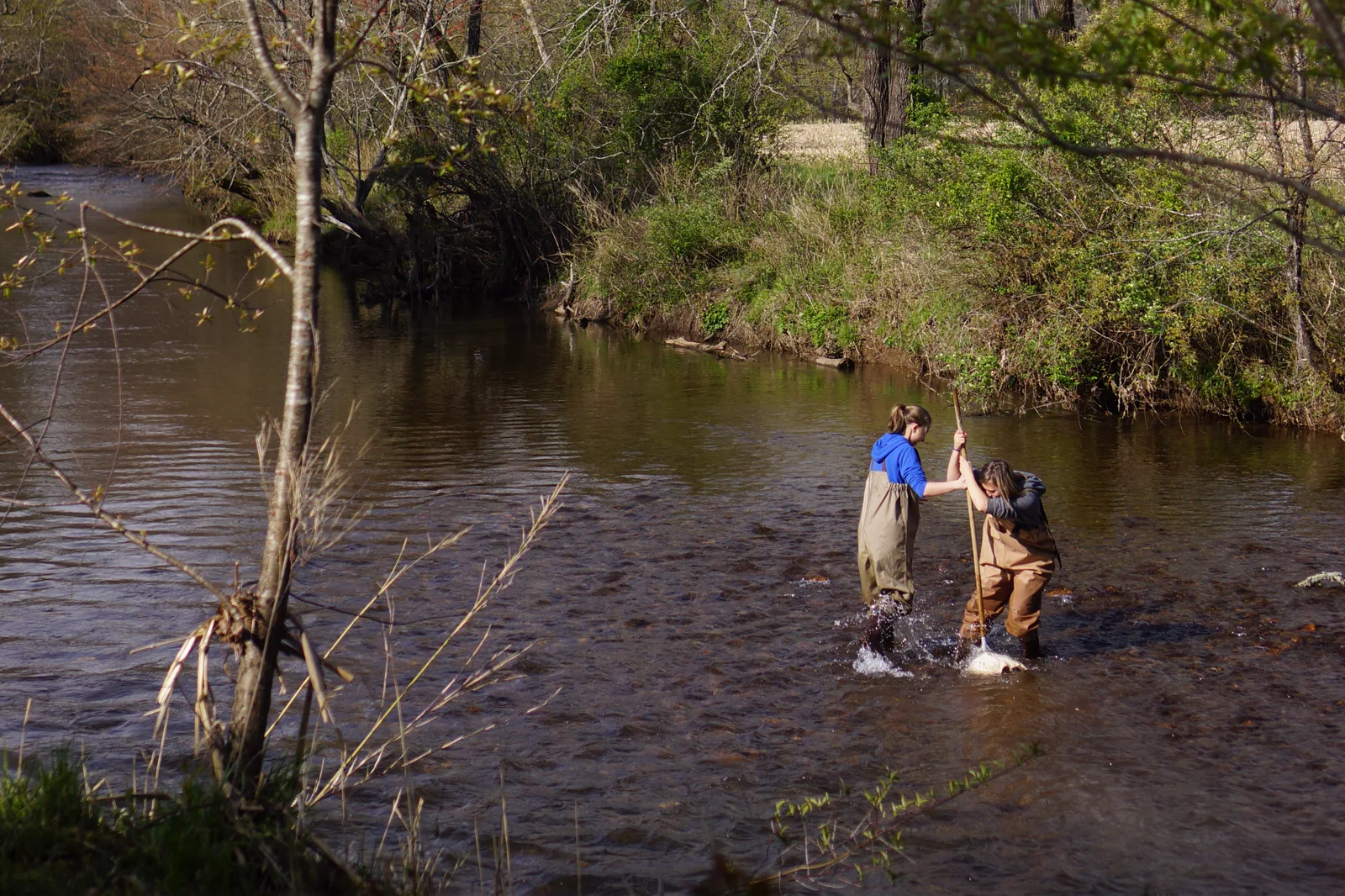
Harrisburg. Pennsylvania's Department of Environmental Protection is taking applications for its 2027 Environmental Education Grants, with about $420,000 to award to nonprofits, schools, universities, county conservation districts and businesses. The round opened Oct. 5, the department announced it on Oct. 6, and applications are due Nov. 13.
The money pays for projects that teach Pennsylvanians about air and water quality, land use or climate change, and every project must address at least one of those four areas. Funded projects run from July 1, 2027, through June 30, 2028.
Three sizes of grant
Seed Grants of up to $5,000 go to local projects, such as one school, county or partnering municipality. Grow Grants of $5,001 to $30,000 go to larger projects, such as a whole school district, several communities working together, or regional and statewide work. Impact Grants of $30,001 to $65,000 go to projects that reach audiences at the county, regional and state levels, either new ones or projects the program has funded before.
Grow and Impact Grants require a partner and a match of at least 20 percent of the amount requested, in cash or in kind. Seed Grants require a match in any amount. The grants are paid as reimbursement. Incorporated nonprofit organizations are eligible; municipalities are not, and the department encourages them to partner with an eligible applicant. Priority goes to projects that engage people who live, work, play or attend school in environmental justice areas or other underserved communities.
The department will hold a free webinar for applicants on Oct. 13 from noon to 1 p.m.; those who register by Oct. 12 receive a recording.
Paid for by pollution fines
The program was created by the Environmental Education Act of 1993, which sets aside five percent of the pollution fines and penalties the department collects each year for environmental education. It has provided more than $16 million since it began, the department says.
This year's forecast is less than half of the last round. In April the department awarded $1,019,523 to 46 projects, 35 of them serving environmental justice areas. Allegheny Land Trust received $29,370 for watershed workshops for teachers, and Groundwork Erie received $29,983 for a project that engages 48 residents of Erie's environmental justice neighborhoods. The department did not say why the 2027 amount is smaller.
Earlier grants have also paid for Wildlands Conservancy's middle school program on climate change in its watershed, according to the program's page.
About this story
501c3.help wrote this story from the sources listed with it, not from material an organization sent. Our editors approved it on Oct. 9, 2026. Stories in The Nonprofit Herald are free, and nothing is asked in return. Editorial rules.
Found an error? Write to [email protected] and we will correct it.
For the organizations in this story: put the badge on your website

Put it on your About page or wherever you list press mentions, rather than in a footer that repeats on every page. It links to this story.
Linking is welcome and never required. Nothing about the story changes either way.