Honolulu voters create a Food Security Fund for locally grown food, and the city begins deciding how to spend it
A charter amendment approved Nov. 3 sets aside a share of property tax revenue, about $8 million a year by one estimate, for programs and grants that bring Hawaii grown food to Oahu residents who lack enough to eat. Nonprofits may receive the money directly.
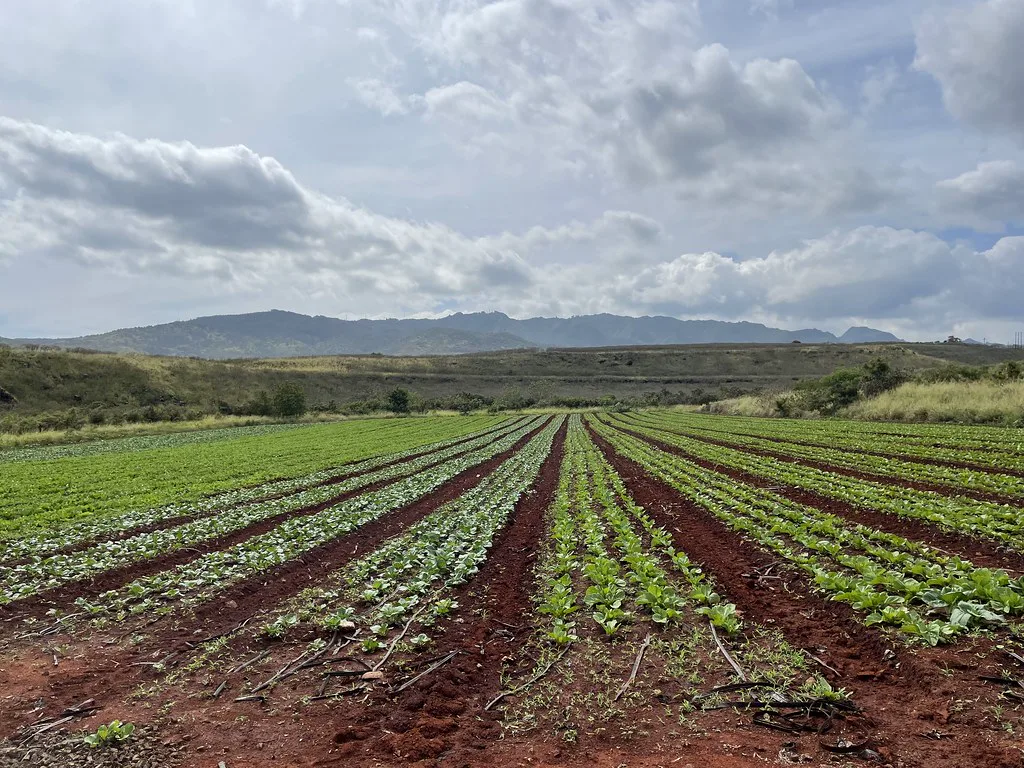
Honolulu. Voters in the City and County of Honolulu approved a charter amendment on Nov. 3 that creates a Food Security Fund, a new city account for programs that get locally grown food to Oahu residents who do not have enough to eat. The question passed with 171,516 votes in favor and 62,151 against, in the count the state Office of Elections posted on Nov. 4.
The amendment raises the share of estimated real property tax revenue the City Council must set aside each year for its special funds from 1.5 percent to 2 percent, and splits it equally among four: the existing Clean Water and Natural Lands, Affordable Housing and Climate Resiliency funds, and the new one. The ballot question said the funding would not require raising property tax rates. Honolulu Civil Beat put the new fund's share at about $8 million a year. Hawaii Foodbank proposed the amendment, according to Civil Beat.
What the money may pay for
Under the amendment's text, the fund pays for city programs, grants and subsidies that increase access to healthy, affordable foods grown, raised or harvested in Hawaii, and products made mainly from them, for food insecure residents of Oahu. It may also strengthen the food supply, including the use of local food that might not otherwise reach market. Food from elsewhere is allowed only during an emergency the mayor declares, and then for no more than 10 percent of the fund. No more than 5 percent may go to administration, and unspent money stays in the fund from year to year.
The money may be awarded directly to qualified nonprofit organizations, government entities, schools and other eligible recipients, under criteria the council sets by ordinance or administrative rule.
Existing programs first
Those rules are not yet written. Kealoha Fox, executive director of the city's Office of Climate Change, Sustainability and Resiliency, told Civil Beat the office will make recommendations based on the new Oahu Food Systems Action Plan, and that the city first expects to build on existing programs and partnerships, considering new initiatives later if gaps appear. No decision has been made on adding staff, she said.
Council member Tyler Dos Santos-Tam named the People's Open Market, with low-cost produce at 13 markets in public parks, and the city's summer meals for students as programs the fund could expand.
“The question is what can the city bring to the table that doesn't duplicate?”
Daniela Spoto, director of food equity at Hawaii Appleseed, said several sections of the action plan line up with the fund. Amanda Shaw, statewide food systems coordinator at Agriculture Stewardship Hawaii, asked for a clear process through which farmers can share their views.
About this story
501c3.help wrote this story from the sources listed with it, not from material an organization sent. Our editors approved it on Nov. 10, 2026. Stories in The Nonprofit Herald are free, and nothing is asked in return. Editorial rules.
Found an error? Write to [email protected] and we will correct it.
For the organizations in this story: put the badge on your website

Put it on your About page or wherever you list press mentions, rather than in a footer that repeats on every page. It links to this story.
Linking is welcome and never required. Nothing about the story changes either way.