Michigan offers $10 million for risky dams and $332,000 for dam removal, with pre-proposals for both due Dec. 18
The Department of Environment, Great Lakes, and Energy reopened its Dam Risk Reduction Grant Program to dam owners, and the Department of Natural Resources is offering Fisheries Habitat Grants for dam work to governments and nonprofit groups.
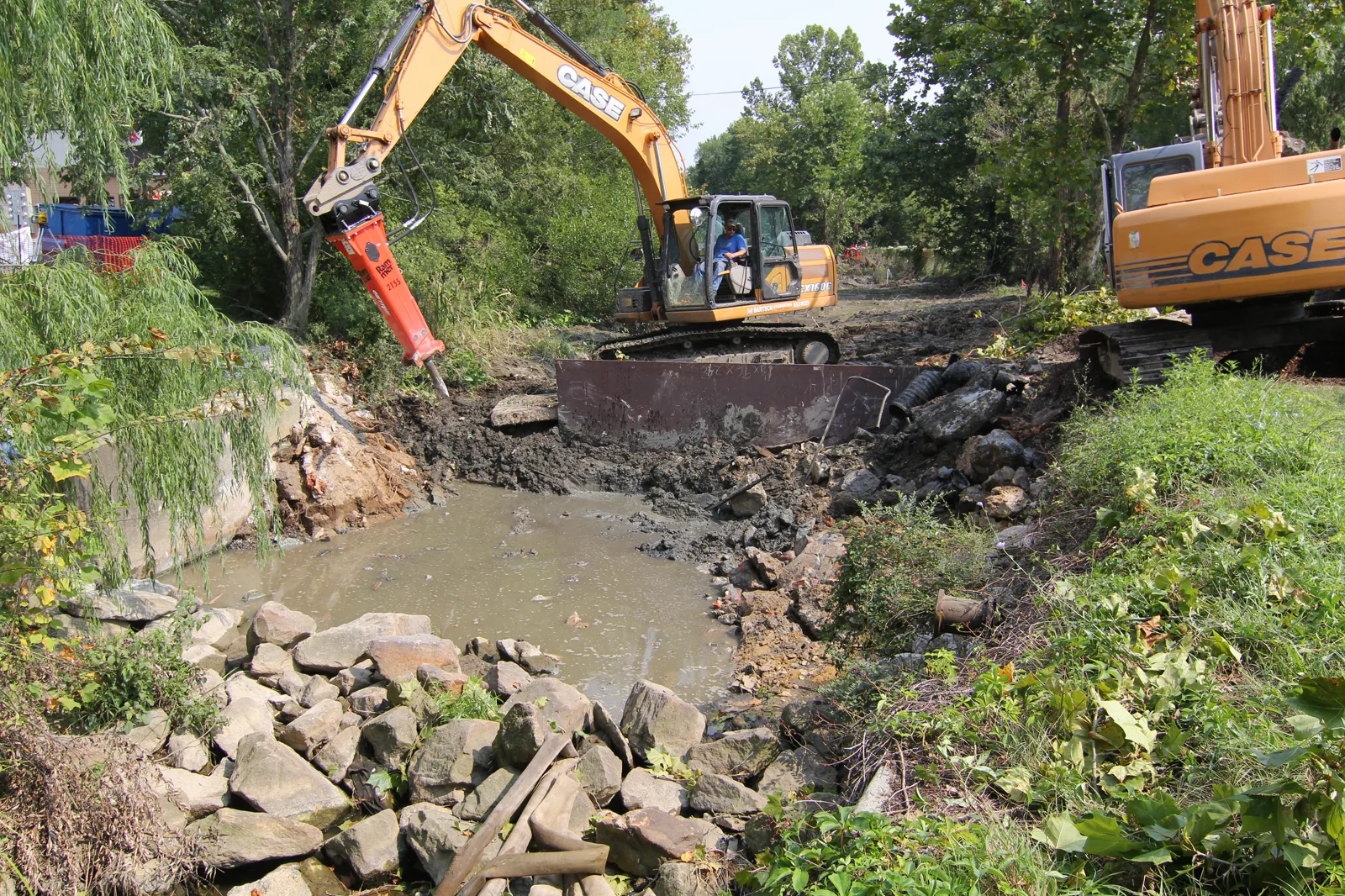
Lansing. Two Michigan agencies opened grant rounds for aging dams on Nov. 18, and pre-proposals for both are due Dec. 18. The Department of Environment, Great Lakes, and Energy, known as EGLE, expects to award $10 million through its Dam Risk Reduction Grant Program, and the Department of Natural Resources is offering $332,000 in Fisheries Habitat Grants for removing, replacing or repairing dams.
Funding requested in pre-applications to Michigan's Dam Risk Reduction Grant Program
Dam Risk Reduction Grant Program
EGLE created the program after heavy rain caused the Edenville and Sanford dams to fail in May 2020, forcing evacuations and causing an estimated $200 million in property damage, the agency's handbook says. Its first three cycles, from 2022 through 2025, awarded more than $40 million to more than 50 dam projects. A transfer from the Make It In Michigan Competitiveness Fund in September paid for the new round.
Eligibility depends on the dam rather than the kind of owner. Any entity that owns or operates a high or significant hazard dam, a dam in poor condition regulated under the state's dam safety law, or a dam affected by a declared state of emergency or disaster may apply. Federally regulated hydropower dams are excluded.
The money can pay for design, repair, alteration or removal of a dam and for monitoring afterward, but not for minor maintenance or lake dredging. There is no maximum grant, applicants must put up at least 10 percent in matching funds, and EGLE pays back costs after they are incurred and reported each quarter. Winners must provide a financial audit from within 24 months, and applications are public records.
EGLE will invite the highest ranked projects to apply starting Jan. 8. Full applications are due Feb. 8, and awards are expected by April 30.
Fisheries Habitat Grants
The DNR grants are open to local, state, federal and tribal governments, academic institutions and nonprofit groups. This year all of the money, from the state's general fund, goes to dam projects, and none to other aquatic habitat work. Requests run from $25,000 to the full $332,000, and smaller projects in one region may be bundled to reach the minimum. Projects that remove dams, or prepare for removal, will be favored.
Applicants must discuss their project with a local DNR fisheries biologist before submitting a pre-proposal through the department's online form. The DNR will tell applicants by Jan. 18 whether they may submit a full application, and expects to announce awards by May 2027.
“Many of these dams no longer function for their original purpose, but they continue to degrade fish habitat and pose a threat to human safety.”
Mr. Nohner said more than 2,000 aging dams across the state need attention.
About this story
501c3.help wrote this story from the sources listed with it, not from material an organization sent. Our editors approved it on Nov. 24, 2026. Stories in The Nonprofit Herald are free, and nothing is asked in return. Editorial rules.
Found an error? Write to [email protected] and we will correct it.