Baltimore and Maryland lawmakers call for background checks on leaders of nonprofits that receive public money
A Baltimore City Council member and two Republican delegates spoke out after reports on a Baltimore housing nonprofit's former director. No bill has been introduced; Del. Kathy Szeliga said legislation and hearings would come in January.
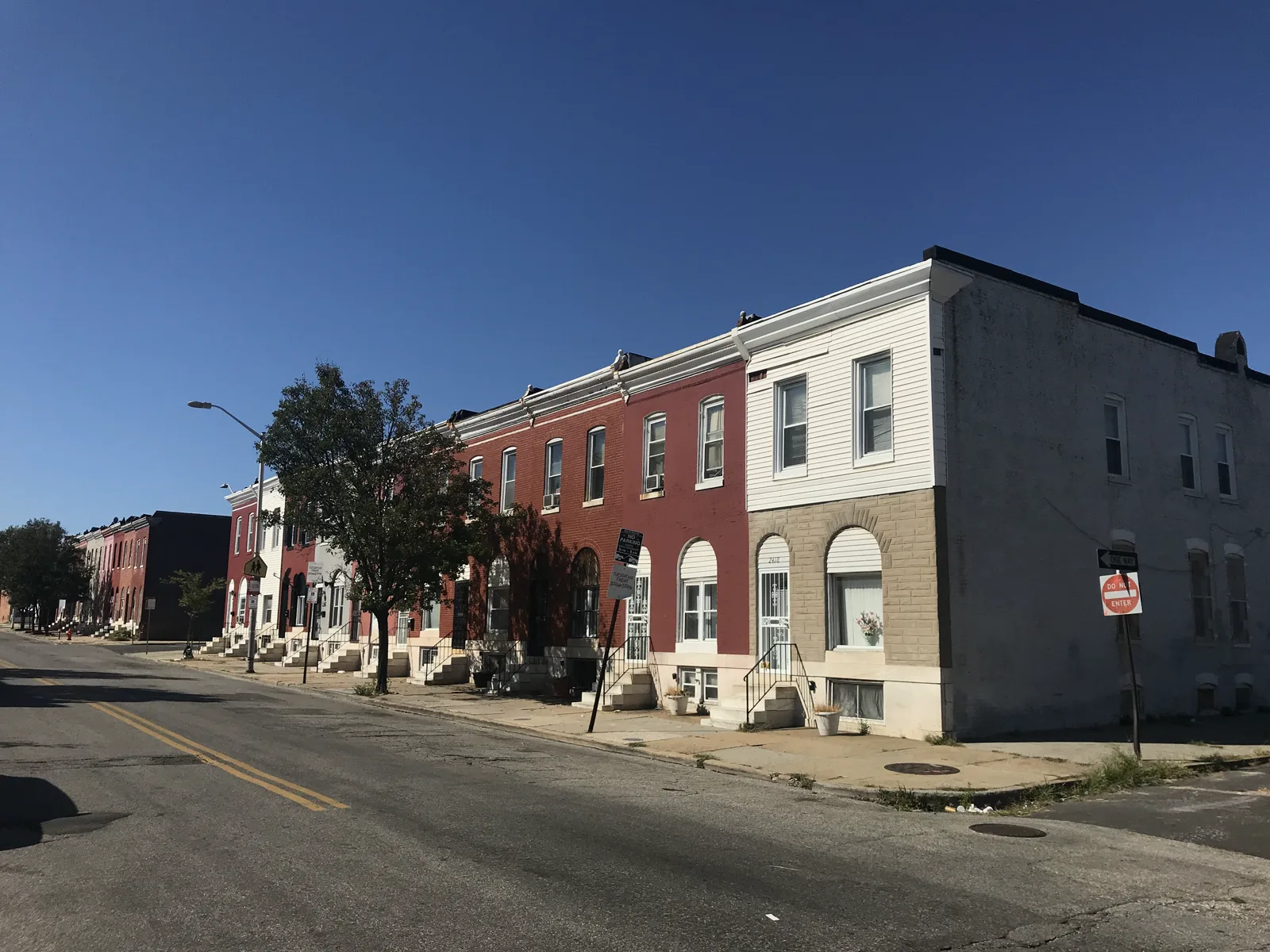
Baltimore. Leaders of nonprofits that receive public money should have to pass background checks, a Baltimore City Council member and two Republican state delegates said this week, after news reports on a Baltimore housing nonprofit whose former director had pleaded guilty to false pretenses charges. It is a proposal, not a law: no bill has been introduced in the city or in Annapolis.
Council Member Zac Blanchard of District 11, Del. Matt Morgan of St. Mary's County and Del. Kathy Szeliga of Baltimore County told Spotlight on Maryland, a reporting team that includes FOX45, that they want legislation requiring checks on executives of organizations funded by taxpayers. "Background checks should be a minimum," Mr. Morgan said. Ms. Szeliga said there would be legislation and hearings when the General Assembly returns in January.
“I think for people in leadership positions, probably receiving city funds above a certain amount, there should be some way to trigger that requirement.”
What prompted the proposal
Spotlight on Maryland reported Oct. 8 that the North East Housing Initiative received $3.25 million from Baltimore City between 2023 and 2025 and $835,000 from the state between 2022 and 2024 to develop affordable housing, citing government spending databases. It reported that Garrick Good, listed as executive director since 2017, had pleaded guilty in South Carolina in 2014 to two false pretenses charges and had filed for bankruptcy three times.
Mr. Good resigned a day after the reporters sent him questions and declined to comment on his legal history. He wrote that his resignation should not be construed as an admission. The city and the state paused funding to the nonprofit last year amid a federal investigation that Mr. Good said concerns an anonymous cryptocurrency gift of more than $2 million, according to the outlet.
What the city and the state check now
Mayor Brandon Scott's office told Spotlight on Maryland that Baltimore does not run personal background checks on a grant applicant's employees, officers or board members. Its housing department reviews the organization itself: its finances, capacity, IRS status and charity registration. Asked whether the mayor would back a new requirement, a spokesperson did not say. Gov. Wes Moore's office said state agencies monitor grants by each program's eligibility, performance and compliance measures, and did not answer whether it supports the checks.
The two delegates have sought more scrutiny of grantees before. In the 2026 session, Mr. Morgan's House Bill 15, cosponsored by Ms. Szeliga, would have made records of nonprofits receiving $50,000 or more a year from state grants, state bonds or local impact grants subject to the Public Information Act. The General Assembly's record shows a hearing on Feb. 10 and no further action.
About this story
501c3.help wrote this story from the sources listed with it, not from material an organization sent. Our editors approved it on Oct. 17, 2026. Stories in The Nonprofit Herald are free, and nothing is asked in return. Editorial rules.
Found an error? Write to [email protected] and we will correct it.