House bill would have federal security grants paid to nonprofits in advance instead of as reimbursements
Reps. Susie Lee and María Elvira Salazar introduced the Nonprofit Security Grant Program Funding Improvement Act on Oct. 5. Nonprofits awarded the grants now pay for security work first and are repaid later. The bill is in committee.
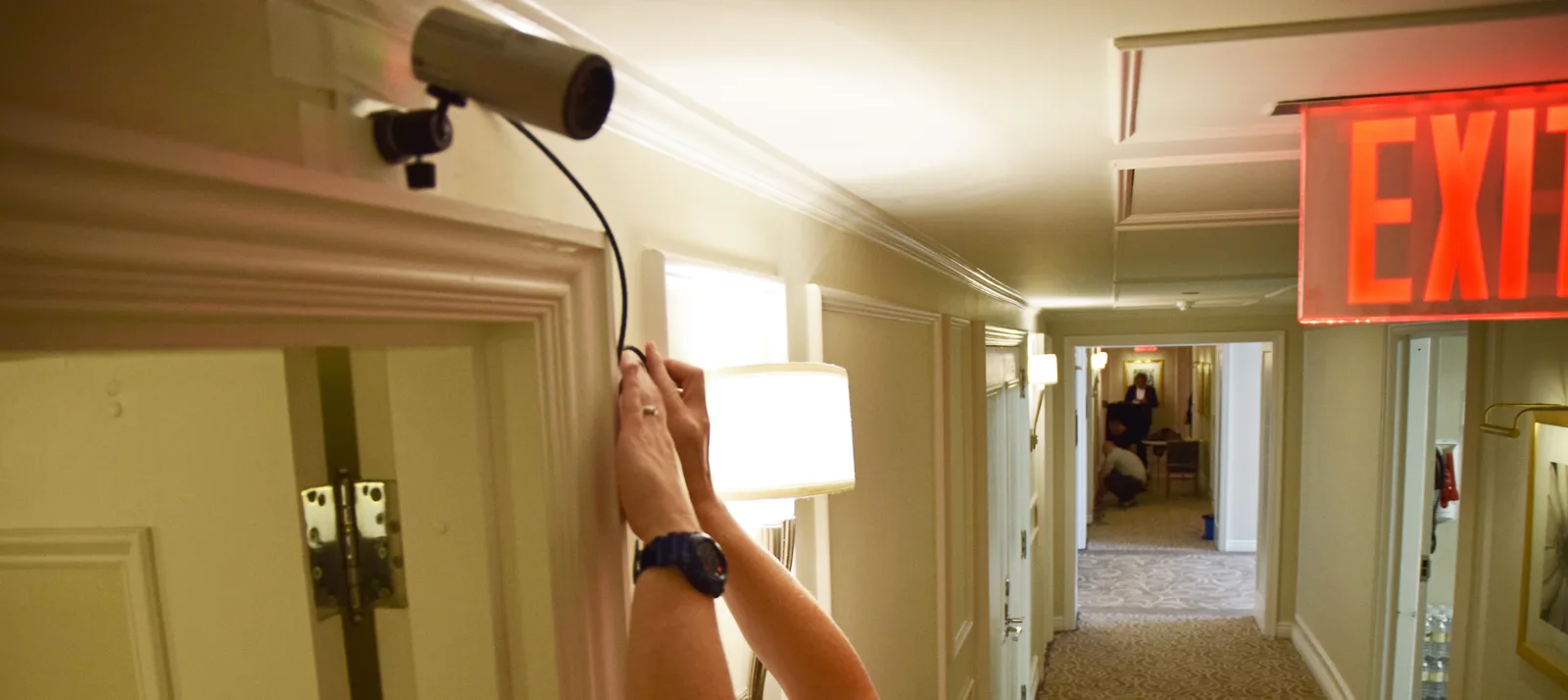
Washington. Nonprofits awarded money from the federal Nonprofit Security Grant Program would receive it before they spend it, rather than paying for security upgrades themselves and waiting to be repaid, under a bill introduced in the House of Representatives on Oct. 5.
Rep. Susie Lee, a Nevada Democrat, introduced the Nonprofit Security Grant Program Funding Improvement Act, H.R. 10743, with Rep. María Elvira Salazar, a Florida Republican, Rep. Marc Veasey, a Texas Democrat, and Rep. Brian Fitzpatrick, a Pennsylvania Republican, as original cosponsors. It was referred to the Transportation and Infrastructure and Homeland Security committees. Ms. Lee's office announced it on Oct. 6.
How the grants are paid now
Congress created the program in 2004. The Federal Emergency Management Agency runs it through the states, paying for target hardening, physical security improvements and related preparedness at nonprofits at high risk of terrorism or hate-motivated violence. For fiscal 2026 FEMA offered $300 million, half for nonprofits in high-risk urban areas and half for those elsewhere, and it announced the awards on Sept. 28.
Nonprofits do not apply to FEMA directly but through an agency of their state, which scores the applications and sends recommended projects to FEMA. According to Ms. Lee's office, an organization may seek up to $200,000 for each of up to three sites. Once approved, it must spend its own money on the work and then submit documentation to be repaid, which her office said can take months or even years, a burden it called especially hard for smaller organizations with limited reserves.
What the bill would change
The bill is one sentence long. It would add to the duties of the program's office at FEMA ensuring that grants are, notwithstanding any other provision of law, awarded in advance and not on a reimbursable basis. Ms. Lee's office said current grant language is ambiguous about advances and that the option remains unclear and underused; the bill would authorize advance funding explicitly.
“When a church, synagogue, or other place of worship is approved for a federal security grant, it should be able to spend the money to improve security immediately.”
Jewish Nevada, the American Jewish Committee, the Anti-Defamation League, the Jewish Federations of North America, the National Association of Counties, Secure Community Network and the Sikh Coalition endorse the bill. The Library of Congress record shows no action on it since its referral to the two committees.
About this story
501c3.help wrote this story from the sources listed with it, not from material an organization sent. Our editors approved it on Oct. 8, 2026. Stories in The Nonprofit Herald are free, and nothing is asked in return. Editorial rules.
Found an error? Write to [email protected] and we will correct it.
For the organizations in this story: put the badge on your website

Put it on your About page or wherever you list press mentions, rather than in a footer that repeats on every page. It links to this story.
Linking is welcome and never required. Nothing about the story changes either way.