Lakewood, N.J., will stop collecting trash from private schools and houses of worship on Jan. 1
The township's mayor says the state, which must approve Lakewood's budget, required the cut. Yeshivas, shuls and churches will have to hire private haulers, at a cost a local hauler put at $200 to more than $1,000 a month.
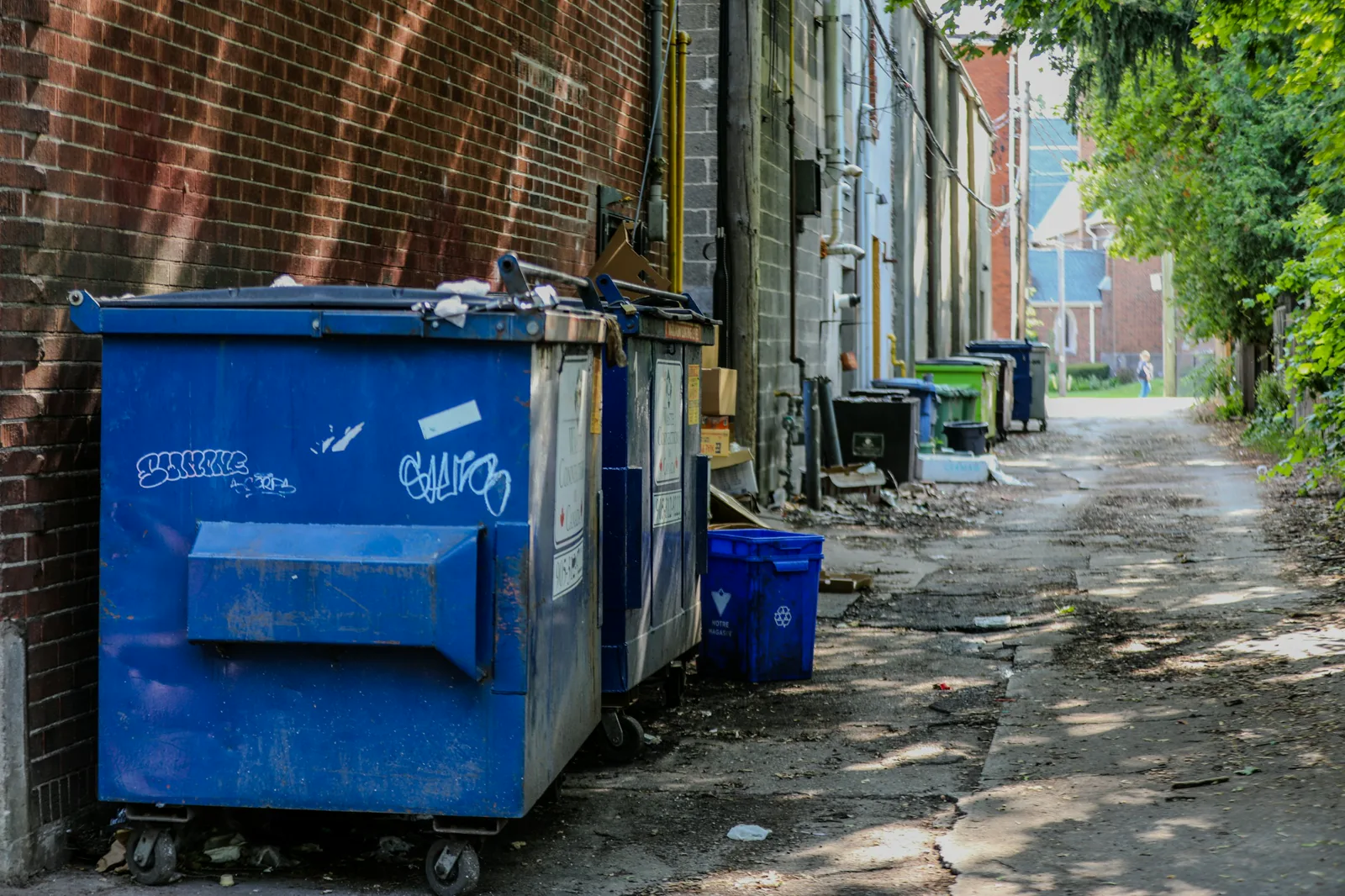
Lakewood. Lakewood Township in New Jersey will stop collecting trash from private schools and houses of worship on Jan. 1, leaving its many yeshivas, shuls and churches to hire private haulers. Mayor Ray Coles said the state required the cut as the township struggles to balance its budget.
"The state told us that they would not approve a budget that had that type of service in it," Mr. Coles told The Voice of Lakewood, a local publication that reported the change on Oct. 29. He said it would save the township about $2 million next year.
The Township Committee said in a statement reported by the news site Matzav that the state requires the change as a condition for the township to receive financial assistance to stabilize its budget, and that township officials have little choice but to carry it out.
Who pays now
The change covers large institutions with dumpsters as well as small shuls and churches that put out ordinary trash cans, The Voice reported. Public schools are not affected, because the Lakewood School District pays for their trash removal.
A local hauler told The Voice that a small shul could pay about $200 a month and a large one three times that or more. A small or average school could pay about $600 to $900 a month, the hauler said, and a large school $1,000 or more. One school administrator told the paper that yeshivas are already operating in the red and struggle to meet payroll.
No other New Jersey municipality provides free trash pickup for nonprofits, The Voice reported.
The state's hand in the budget
Lakewood's budget for 2026, adopted by the Township Committee on Sept. 23, carries a certification from the director of the Division of Local Government Services in the state Department of Community Affairs dated the next day, the meeting minutes show. The Voice reported that the directives on service cuts came from the governor's office and that department.
Township officials have blamed the shortfall on reduced state aid and the cost of cleaning up after last year's record snowfalls, which Matzav reported at about $8 million. Matzav also reported that the state turned down the township's request to raise property taxes by about $12.9 million.
The trash cut follows others. The township ended courtesy busing for students who are not entitled to it by law and tightened overtime limits for police and public works employees, and officials have warned that more service cuts and layoffs could come next year without more state aid, The Voice reported.
The draft agenda for the Township Committee's Nov. 5 meeting does not list the change.
About this story
501c3.help wrote this story from the sources listed with it, not from material an organization sent. Our editors approved it on Nov. 4, 2026. Stories in The Nonprofit Herald are free, and nothing is asked in return. Editorial rules.
Found an error? Write to [email protected] and we will correct it.