Two federal judges set aside EPA's cancellation of the $7 billion Solar for All program
Rulings on Sept. 18 in Rhode Island and Sept. 22 in Washington vacated the agency's August 2025 decision to end the grants for low-income communities. Neither court ordered money paid or grants restored, and EPA says it is considering an appeal.
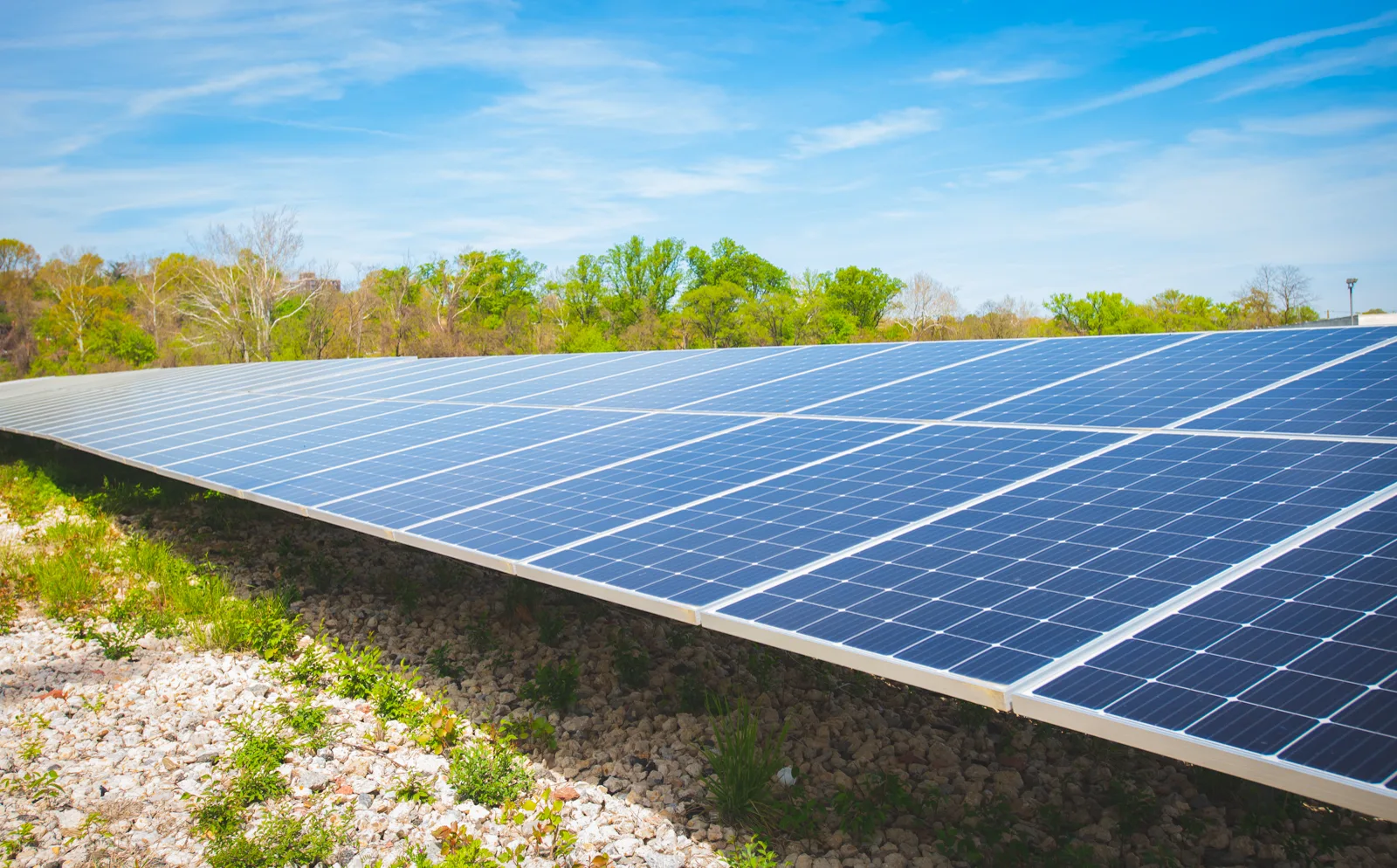
Providence. Two federal judges ruled within four days that the Environmental Protection Agency acted unlawfully when it ended Solar for All, a $7 billion grant program meant to help low-income and disadvantaged communities use solar power. Both set aside the agency's Aug. 7, 2025, decision to terminate the program and all of its grants.
Congress set aside the money in 2022 for competitive grants to states, municipalities, tribes and eligible nonprofits, and EPA opened the program in 2023. It obligated the full amount to 60 grantees before a Sept. 30, 2024, deadline, for use over five years. The complaint in the Rhode Island case says the program was expected to cut energy bills for more than 900,000 households.
The One Big Beautiful Bill Act, signed July 4, 2025, repealed the program's section of the Clean Air Act and rescinded balances not yet obligated. EPA's website still says the law "repealed EPA's authority to administer the program and rescinded all remaining funds."
Two cases, one conclusion
In Providence, U.S. District Judge Mary S. McElroy ruled Sept. 18 for eight plaintiffs that were not grantees but had counted on the money, among them the Rhode Island AFL-CIO, the Rhode Island Center for Justice, three solar companies and Solar United Neighbors, a national nonprofit that had been awarded nearly $14 million in subgrants. She found that Congress clearly intended EPA to keep administering grants already obligated.
In Washington on Sept. 22, U.S. District Judge Tanya S. Chutkan reached the same result in a suit by Harris County, Texas, which had received a $249.7 million grant. She held EPA's reading of the 2025 law contrary to law, in excess of its authority and arbitrary and capricious, and vacated it for the program as a whole.
What the rulings do not do
Neither judge ordered EPA to pay out money or restore a grant, and both declined to issue an injunction. Judge Chutkan wrote that EPA may still reconsider the county's termination or terminate again on adequate grounds, but may take no further action on the ground that the 2025 law requires or authorizes ending the program. She said she would consider further relief if EPA closed out grants on that ground.
EPA told the court that undisbursed Solar for All funds will remain in a Treasury account until Sept. 30, 2031. A separate suit by states that received grants was dismissed June 1 by a federal judge in Washington state, who found that it belonged in the Court of Federal Claims; the states appealed on July 30.
EPA said in emails to the trade publication Smart Cities Dive that it is reviewing both decisions and considering options for appeal.
About this story
501c3.help wrote this story from the sources listed with it, not from material an organization sent. Our editors approved it on Sept. 29, 2026. Stories in The Nonprofit Herald are free, and nothing is asked in return. Editorial rules.
Found an error? Write to [email protected] and we will correct it.