Texas appeals court lets Harris County, Houston and Aldine ISD sue over tax breaks for out-of-county housing finance corporations
The Fourteenth Court of Appeals ruled Oct. 27 that the three local governments may ask a court to stop future property tax exemptions for Harris County apartments owned by nonprofit housing finance corporations created elsewhere. Their claims over past exemptions stay dismissed.
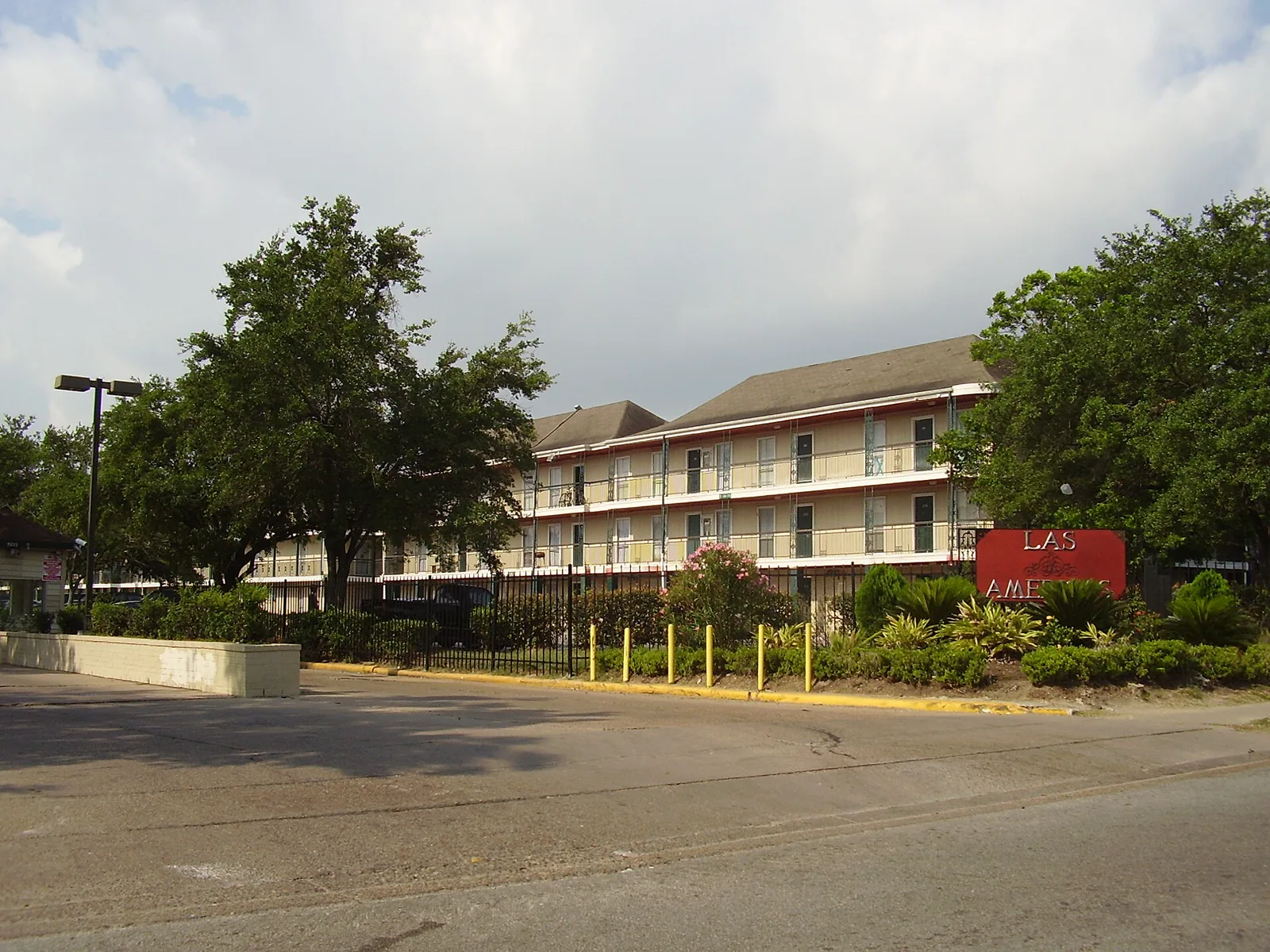
Houston. A Texas appeals court ruled Oct. 27 that Harris County, the City of Houston and the Aldine Independent School District may go forward with a suit against the Harris Central Appraisal District and its chief appraiser, Roland Altinger, over property tax exemptions for apartment complexes owned by housing finance corporations from outside the county. The memorandum opinion, by Justice Katy Boatman for a panel of the Fourteenth Court of Appeals in Houston, sends the case back to the 270th District Court. It decides only whether the suit may proceed, not whether the exemptions are lawful.
What the dispute is about
Housing finance corporations are public, nonprofit corporations that Texas cities and counties create under the state's Housing Finance Corporations Act to help finance affordable housing. Under the version of the act the court applied, a corporation's housing is exempt from property tax if at least 90 percent of it is for people of low and moderate income and it is located within the local government that created the corporation.
The three local governments argue that the second condition was not met: the corporations were created by local governments outside Harris County and bought apartment complexes inside it. They alleged, and the appraisal district did not dispute, that it had granted 44 such exemptions and was reviewing 68 more. The Legislature amended the act in 2025 with House Bill 21, but the court applied the earlier version because the corporations bought the properties before the change.
What the court decided
The trial court had dismissed the suit, accepting the appraisal district's argument that governmental immunity barred it and that the plaintiffs had to go first to the appraisal review board. The appeals court disagreed. It held that Section 43.01 of the Tax Code, which lets a taxing unit sue an appraisal district to make it comply with the law, waives the district's immunity, as the Fort Worth court of appeals held in July in a similar dispute between the City of Arlington and a housing finance corporation. The review board, the court said, hears protests about particular properties and exemptions already granted, not a broad claim about exemptions still to come.
The court also found the claims ripe, pointing to a pattern of granted exemptions and no evidence in the record of a single denial, and held that the plaintiffs had pleaded a claim that Mr. Altinger acted beyond his legal authority. It upheld the dismissal of any claims over exemptions already granted, which the plaintiffs had not appealed.
The ruling changes no exemption now on the tax rolls. The trial court will next hear the claims about future exemptions on their merits.
About this story
501c3.help wrote this story from the sources listed with it, not from material an organization sent. Our editors approved it on Oct. 28, 2026. Stories in The Nonprofit Herald are free, and nothing is asked in return. Editorial rules.
Found an error? Write to [email protected] and we will correct it.