Delaware's opioid settlement commission approves $12.1 million in grants for prevention, treatment and recovery
The commission voted on Oct. 19 to fund 42 projects. The largest award, $1.35 million, pays recovery housing costs through atTAcK addiction; the round drew 133 applications seeking more than $40 million.
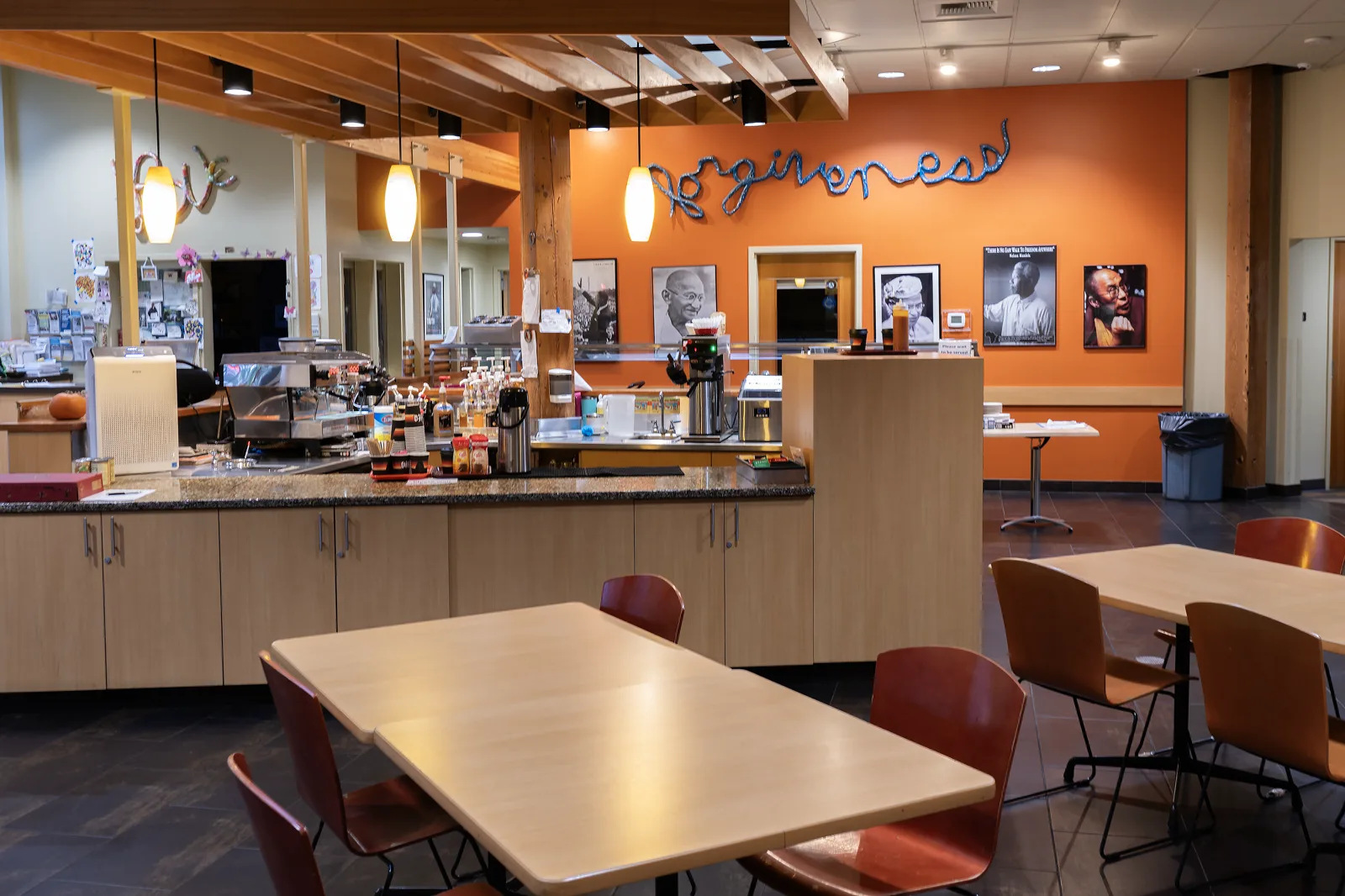
Wilmington. Delaware's opioid settlement commission has approved nearly $12.13 million in grants for 42 projects that prevent opioid misuse, treat opioid use disorder, reduce overdose harms and support recovery. The Delaware Opioid Settlement Commission voted at its public meeting on Oct. 19 and announced the recipients the next day.
The largest grant, $1.35 million over two years, goes to atTAcK addiction to expand its Recovery Housing Scholarship Program, which pays recovery housing costs for about 2,040 Delaware adults with opioid use disorder, according to the commission's list of grantees. Coras Wellness and Behavioral Health, a limited liability company, receives $1.3 million for a statewide service, open around the clock, that takes people leaving prisons, emergency departments and psychiatric hospitals to treatment.
Three sizes of grant
The awards come in three tiers. Eight micro grants of up to $10,000 total $80,000. Ten mini grants of $10,000 to $30,000 total $298,434. And 24 general grants of $30,000 or more total $11.75 million. Three organizations appear on two of the lists, so 39 organizations share the 42 awards, by the Herald's count.
Other large general grants, most of them for two years, include $975,000 to Planned Parenthood of Delaware to add a psychiatric nurse practitioner and three clinical social workers to its health centers; $900,000 to Brandywine Counseling & Community Services for a peer-led recovery drop-in center on Lancaster Avenue; $900,000 to YMCA of Delaware for 30 recovery housing units at its Central YMCA Residence; $890,000 to Impact Life for paid job training for people in recovery and people leaving prison; and $800,000 to Fisher of Men Foundation for 10 recovery housing beds and a vocational training shop in Sussex County.
About half of the awards go to first-time grantees, said Brad Owens, the commission's executive director.
“Prevention is essential, but so is access to treatment, post-treatment recovery support, and building the capacity of organizations delivering these critical services on the ground.”
Demand and what comes next
The round drew 133 applications asking for more than $40 million, the largest request to date, Mr. Owens wrote in an Aug. 20 letter, when he put the round's budget at $12.25 million. A presentation from the Oct. 19 meeting says contracting takes about 90 days, with the money paid out in January and February.
The commission manages the roughly $250 million Delaware expects from opioid settlements. It said its first three rounds, from 2022 to 2025, made 142 grants totaling more than $29.5 million. The previous round, in June 2025, gave $14 million to 63 grantees, Spotlight Delaware reported; the news site wrote that the commission revamped its grantmaking after its reporting found applications had been rushed through approval.
About this story
501c3.help wrote this story from the sources listed with it, not from material an organization sent. Our editors approved it on Oct. 29, 2026. Stories in The Nonprofit Herald are free, and nothing is asked in return. Editorial rules.
Found an error? Write to [email protected] and we will correct it.
For the organizations in this story: put the badge on your website
Put it on your About page or wherever you list press mentions, rather than in a footer that repeats on every page. It links to this story.
Linking is welcome and never required. Nothing about the story changes either way.