Colorado senators introduce Senate version of bill letting federal security grants pay for nonprofits' guards and off-duty police
Sens. Michael Bennet and John Hickenlooper announced on Oct. 9 a companion to the House's Safe Spaces for All Act. Its text makes the same changes to the Nonprofit Security Grant Program and does not yet carry a Senate bill number.
Washington. A House bill that would let nonprofits spend Nonprofit Security Grant Program money on security staff of their own, on off-duty police officers and on people who apply for the grants now has a Senate version. Colorado's two senators, Michael Bennet and John Hickenlooper, both Democrats, announced on Oct. 9 that they had introduced it.
The House bill, the Safe Spaces for All Act, H.R. 9966, was introduced on July 27 by Rep. Joe Neguse, a Colorado Democrat, with Rep. Don Bacon, a Nebraska Republican, and referred to the Transportation and Infrastructure and Homeland Security committees. Jewish Insider reported the Senate bill on Oct. 8, a day before Mr. Bennet's office released it.
The same changes as the House bill
The text Mr. Bennet's office posted makes the same amendments to the program's law, in the same words, as the House bill. It adds the hiring of onsite security personnel to the facility security personnel costs the law already allows. It extends the existing allowance of up to 5 percent of a grant for administering it to applying for it. And it adds two new uses: hiring off-duty police officers, and hiring personnel to apply for program funding, also capped at 5 percent of the grant.
The program, run by the Federal Emergency Management Agency, pays for security at nonprofits at risk of attack, such as synagogues, mosques, schools and community centers. Under current law, Mr. Bennet's office said, grantees cannot use the money to pay permanent salaried security employees or to hire staff to apply for it, and organizations in remote areas can find it hard to hire enough private security vendors or off-duty officers.
The posted text leaves blank the Senate bill number and the committee it goes to. Its short title is the Safe Spaces for All Act, as in the House; the senators' announcement and summary call it the Safer Spaces for All Act.
Who supports it
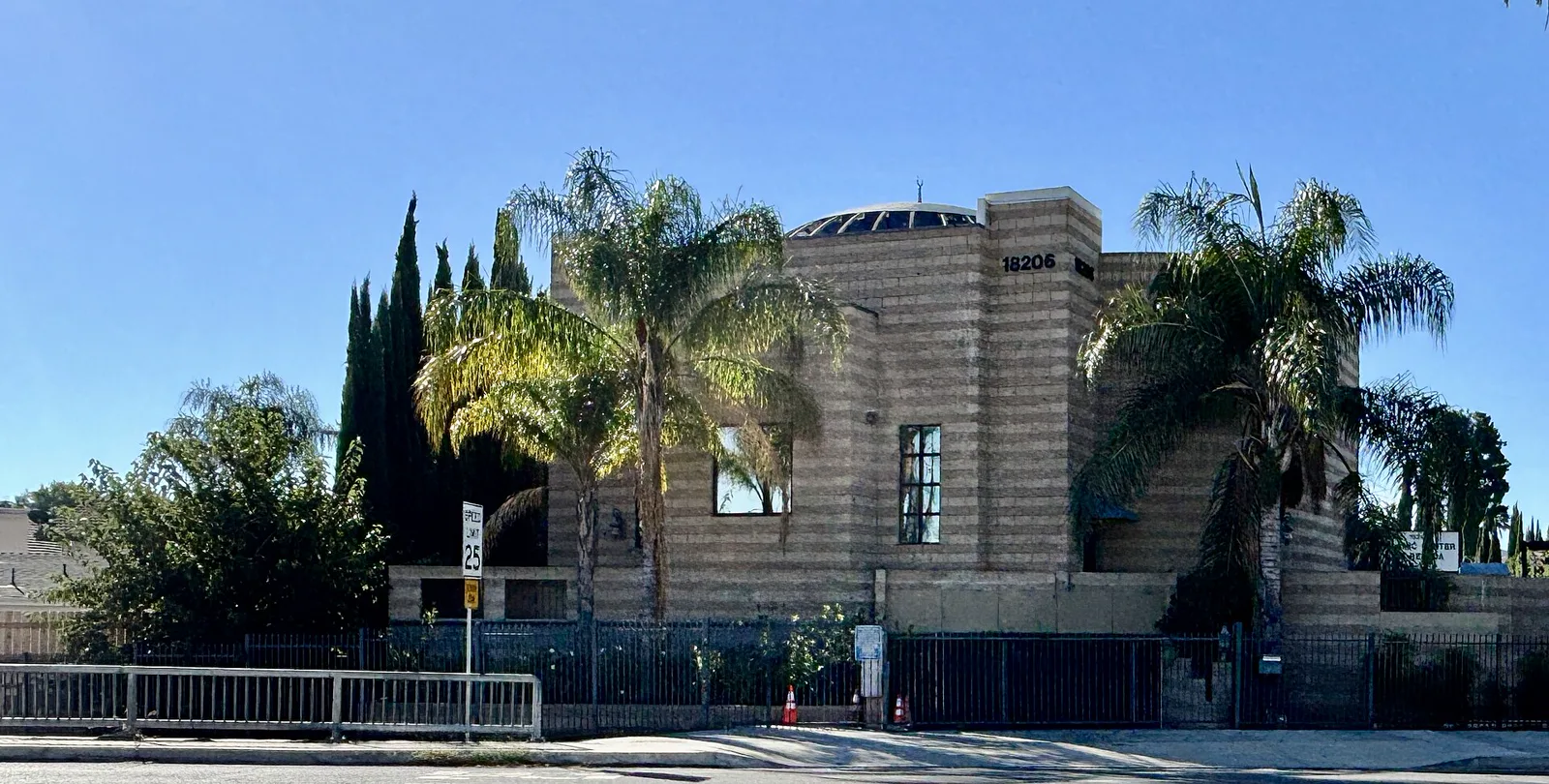
JEWISHcolorado and its Jewish Community Relations Council said the bill would give institutions the flexibility to use the grants where they can have the greatest impact. The Downtown Denver Islamic Center also backs it. Its executive director, Rafaat Ludin, said an off-duty Denver police officer at the center's daily and Friday prayers had transformed its security.
“While physical fortifications are essential, they cannot replace the immediate deterrence and peace of mind that a trained officer provides.”
About this story
501c3.help wrote this story from the sources listed with it, not from material an organization sent. Our editors approved it on Oct. 9, 2026. Stories in The Nonprofit Herald are free, and nothing is asked in return. Editorial rules.
Found an error? Write to [email protected] and we will correct it.
For the organizations in this story: put the badge on your website

Put it on your About page or wherever you list press mentions, rather than in a footer that repeats on every page. It links to this story.
Linking is welcome and never required. Nothing about the story changes either way.