Pennsylvania raises the weekly prize cap for small games of chance and lets nonprofits sell raffle tickets by card
Gov. Josh Shapiro signed Senate Bills 398 and 416 on Oct. 22, the General Assembly's record shows. Licensed groups may award up to $60,000 in prizes a week, clubs may keep half their proceeds, and fire companies may hold raffles online through 2027.
Harrisburg. Fire companies, veterans' groups, clubs and other nonprofits licensed to run small games of chance in Pennsylvania will be able to award more in prizes, keep more of their proceeds and sell raffle tickets by card, under two bills Gov. Josh Shapiro signed on Oct. 22.
Senate Bill 398, by Sen. Michele Brooks, a Republican, became Act 93 of 2026, and Senate Bill 416, by Sen. Devlin Robinson, a Republican, became Act 94, according to the General Assembly's bill histories. Both were presented to the governor and approved the same day. A day earlier, the Senate Republican caucus said Senate Bill 416 awaited his signature.
The Senate first passed both bills 49 to 0 in July 2025. The House passed Senate Bill 398 by 201 to 2 on Oct. 19 this year, and the Senate agreed to the House's changes 50 to 0 the next day. The House passed Senate Bill 416 by 199 to 4 on Oct. 20, and the Senate concurred 50 to 0 on Oct. 21.
Prizes, proceeds and card payments
House amendments wrote two changes into both bills. The Senate had passed the same changes on Oct. 5 as Senate Bills 995 and 465, which went to the House Gaming Oversight Committee. The most a licensed organization may award in prizes from games of chance in any seven-day period rises to $60,000, from $35,000. A licensed club may keep up to 50 percent of its proceeds, up from 40 percent, and must spend at least 50 percent, down from 60 percent, on public interest purposes within a year. The new split applies to calendar years starting after Dec. 31, 2025. Both changes take effect in 60 days.
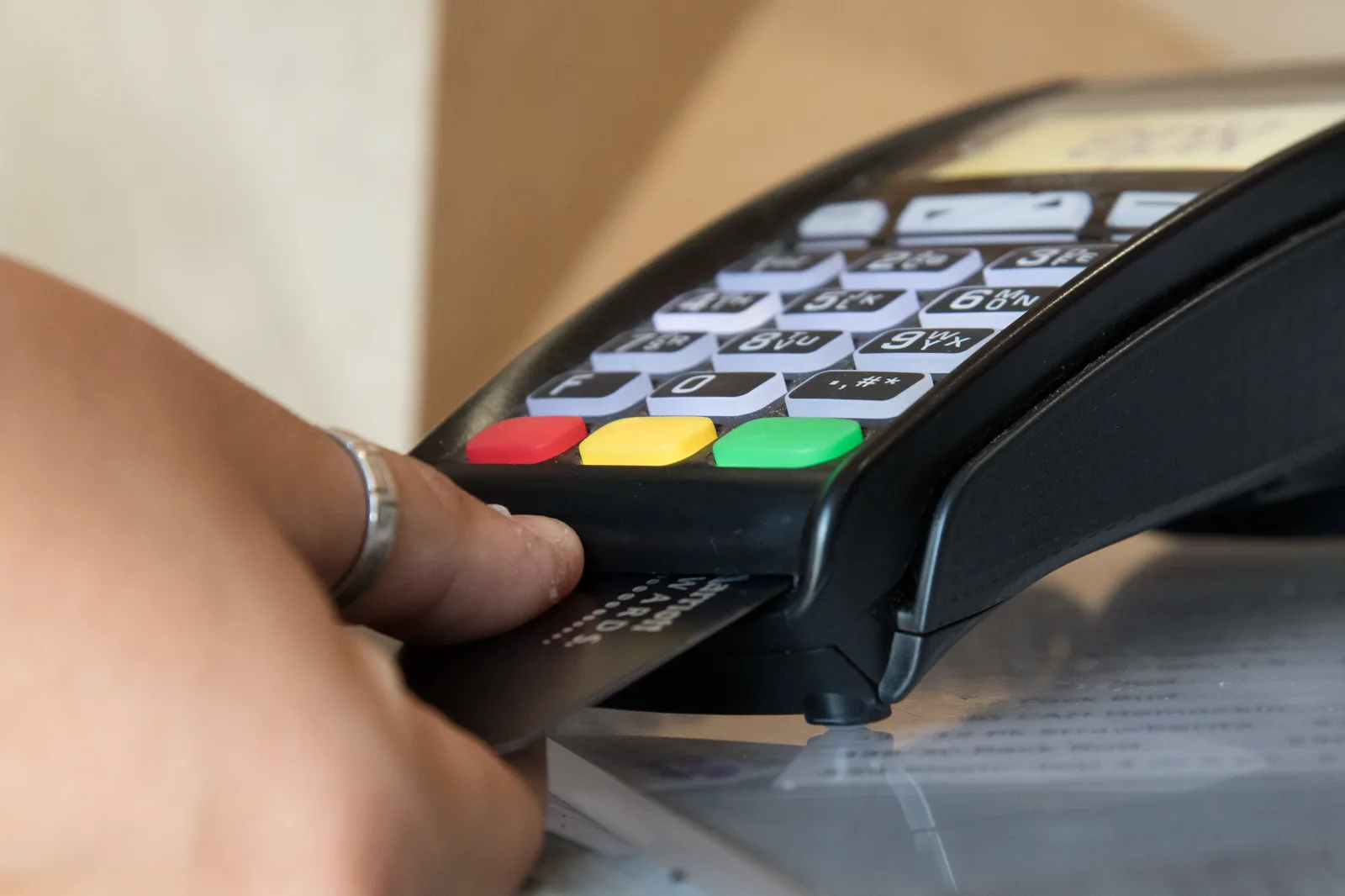
Senate Bill 416 also lets licensed organizations accept credit cards, debit cards, mobile payment services and other electronic payments for raffle tickets, provided they verify that each buyer is at least 18 and in Pennsylvania at the time of sale, and stay within federal law on unlawful internet gambling. That provision, too, takes effect in 60 days. The caucus said nonprofits had been limited to cash or checks for raffle tickets, and that the bill does not authorize online gaming or live drawings.
“As more people rely on electronic payments, our laws need to keep pace with the way people do business today.”
Online raffles for fire companies
Senate Bill 398 adds a separate section for fire companies. One that holds a small games of chance license may conduct raffles over the internet, with tickets paid by credit or debit card and the same checks of each buyer's age and location. That section took effect when the governor signed the bill and expires on Dec. 31, 2027.
About this story
501c3.help wrote this story from the sources listed with it, not from material an organization sent. Our editors approved it on Oct. 22, 2026. Stories in The Nonprofit Herald are free, and nothing is asked in return. Editorial rules.
Found an error? Write to [email protected] and we will correct it.