New York City Council passes bill giving certified nonprofits the first chance to buy distressed apartment buildings
The Community Opportunity to Purchase Act passed on Oct. 22 and awaits Mayor Zohran Mamdani's signature. Certified 501(c)(3) housing groups would get 20 days to express interest and 70 days to make an offer before covered buildings can be sold to others.
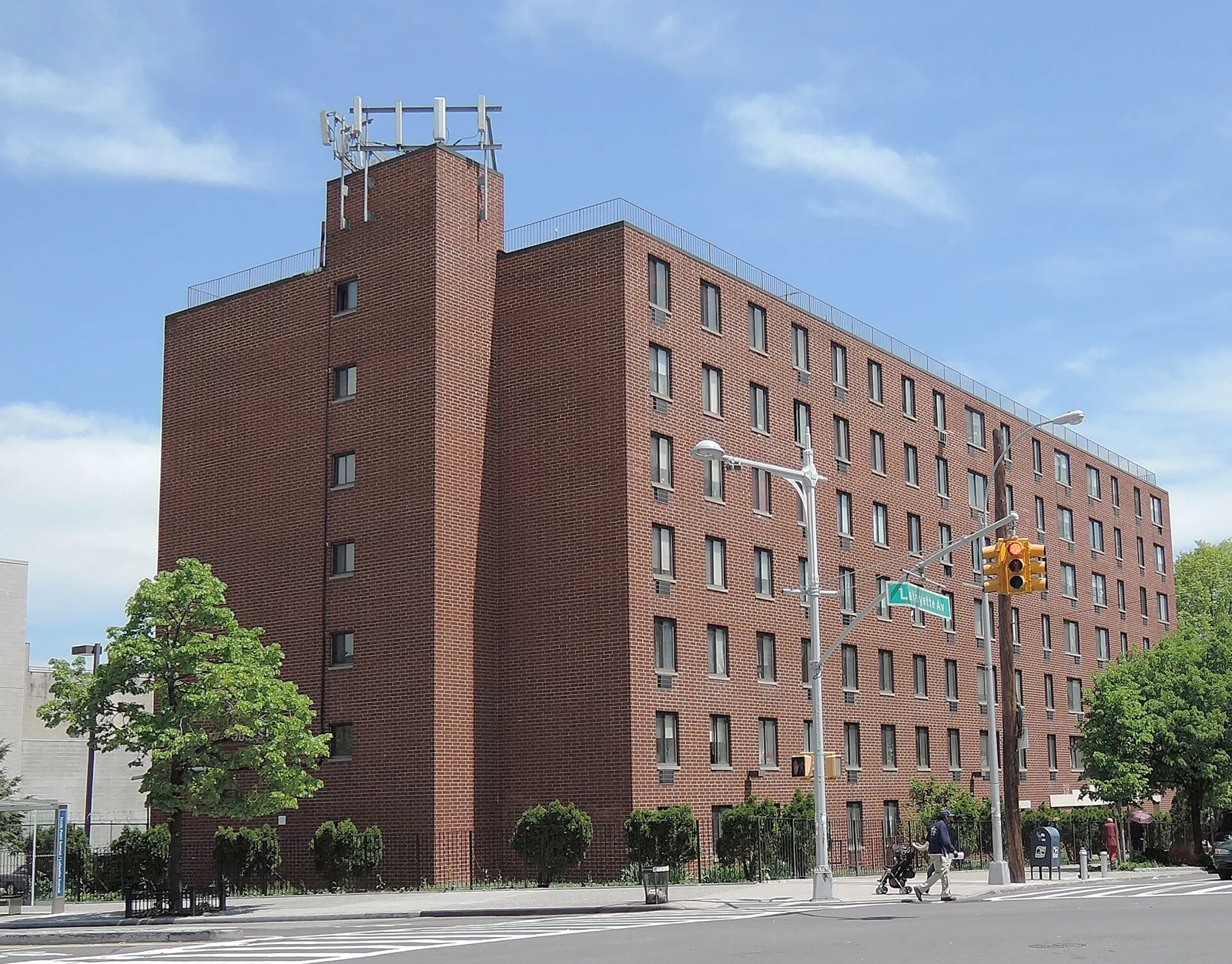
New York. Nonprofit housing groups in New York City would get the first chance to buy certain distressed and affordable apartment buildings when their owners decide to sell, under a bill the City Council approved on Oct. 22.
Introduction 905-A, the Community Opportunity to Purchase Act, sponsored by Council Member Sandy Nurse, a Brooklyn Democrat, passed 38 to 9 with two abstentions, amNewYork and City Limits reported. The Council lists it as awaiting the mayor's signature. "I look forward to signing this bill into law," Mayor Zohran Mamdani said in a statement reported by City Limits. It would take effect one year after it becomes law.
Who can buy, and how fast
The Department of Housing Preservation and Development would certify the buyers. Under the bill, a qualified entity must be exempt under section 501(c)(3), show the legal and financial capacity to acquire, rehabilitate or manage housing, keep affordable units affordable and have experience in preserving affordable housing. A joint venture qualifies if such a nonprofit holds the controlling interest.
Owners of covered buildings must notify the department and every certified group before taking any action to sell. The groups then have 20 days to submit a statement of interest and 70 days to make a first offer, and a right of first refusal if the owner receives another offer. Owners may seek an exemption for undue financial hardship, and one who sells without the notice faces a civil penalty of up to 15 percent of the sale price.
Fewer buildings than the vetoed version
The bill covers buildings with four or more apartments that, among other tests, average three or more hazardous violations per unit, have spent at least a year in the city's Alternative Enforcement Program, face in rem foreclosure as distressed properties or were denied a certification of no harassment, as well as buildings of up to 100 apartments under an affordability restriction. Owner-occupied buildings with five or fewer units are exempt.
The Council passed an earlier version in December 2025, and then-Mayor Eric Adams vetoed it. The new version shortens the offer window from 80 days, the Council's committee report says, and excludes buildings under 421-a agreements alone. Speaker Julie Menin said the number of eligible buildings had been narrowed to about 2,100 from about 10,000, amNewYork reported; City Limits reported that the housing department later raised its estimate to 3,400 after a late change.
The Real Estate Board of New York called it "a more targeted and practical bill," while Small Property Owners of New York opposed it.
About this story
501c3.help wrote this story from the sources listed with it, not from material an organization sent. Our editors approved it on Oct. 26, 2026. Stories in The Nonprofit Herald are free, and nothing is asked in return. Editorial rules.
Found an error? Write to [email protected] and we will correct it.