National Fish and Wildlife Foundation awards 5.5 million in the first grants for endangered species recovery
The 110 grants, announced Oct. 21 with the U.S. Fish and Wildlife Service, open the new National Species Recovery Grants program. They go to nonprofits, universities, Tribes and state agencies for the steps that could move species toward downlisting or delisting.
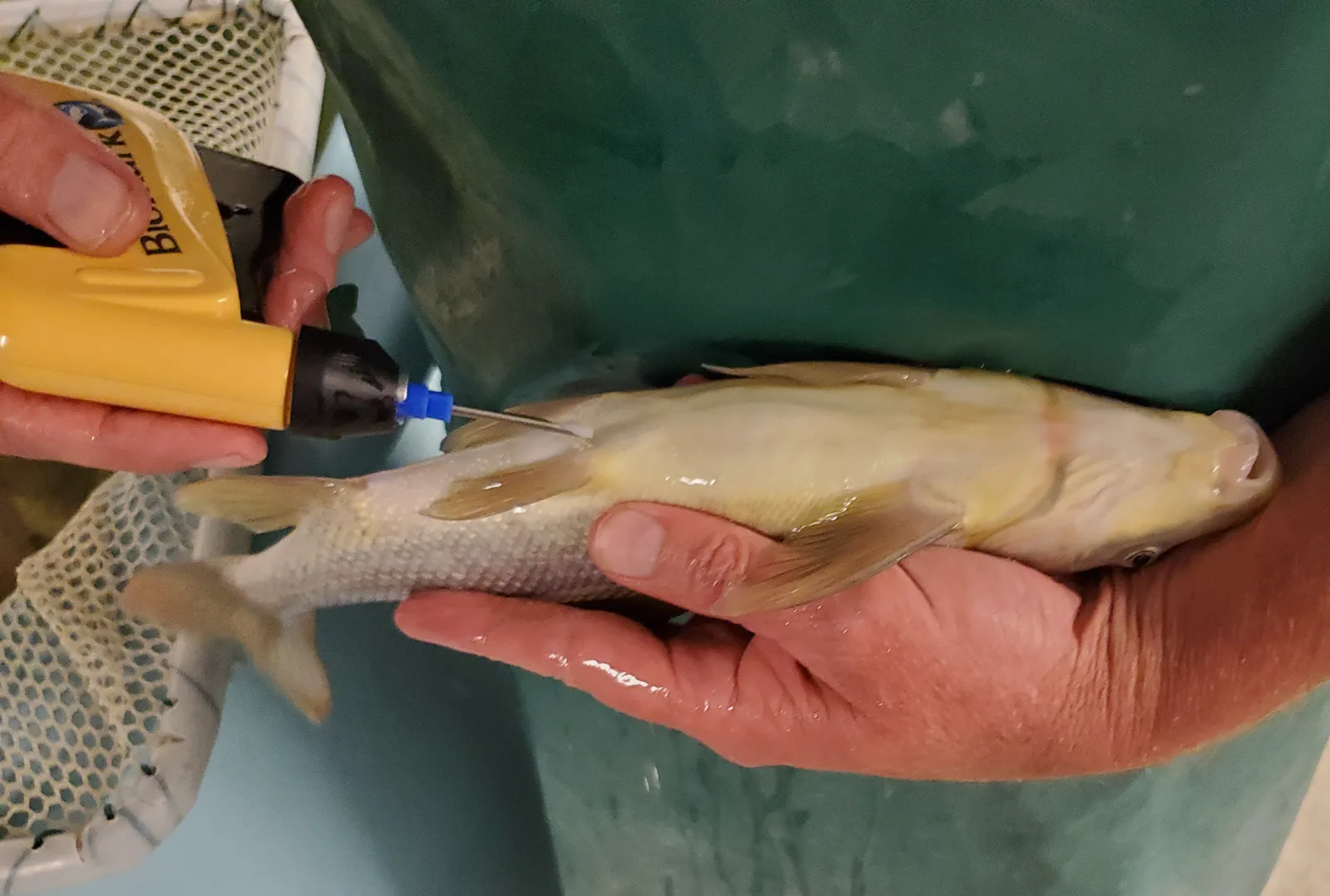
Washington. The National Fish and Wildlife Foundation and the U.S. Fish and Wildlife Service said on Oct. 21 that they have awarded $35.5 million in 110 grants to help endangered and threatened species recover, including work that can lead to a species being downlisted or taken off the federal list. The grantees add $8.6 million in matching contributions, for $44.1 million in all.
They are the first grants of the National Species Recovery Grants program, which the foundation and the service set up together in 2026. The service, working with the foundation, picked priority species that it believes could make measurable progress toward downlisting or delisting in the coming years with more money and species whose ranges overlap with farms, ranches and forests. Each grant pays for recovery actions the service has identified, carried out voluntarily by the grantee.
The last mile
The foundation describes the program as funding the last mile of recovery. For many listed species, it said, the obstacle is a specific gap: missing survey data, broken up habitat, conflict between people and wildlife, or too few hands to carry out the work.
The grant list published with the announcement names state wildlife agencies, universities, Tribes, botanic gardens, zoos and conservation nonprofits. The Conservation Fund receives $2 million to buy conservation easements that protect nesting habitat of the golden-cheeked warbler in the Balcones Canyonlands of Texas. The Integral Ecology Research Center receives $1 million to fit up to 16 fishers in Sequoia National Forest with GPS collars and see how the animals respond to timber harvest and fuels reduction.
From polar bears to a Virginia birch
The Missouri Conservation Heritage Foundation receives $831,300 for the grotto sculpin, a cave fish in Perry County, Mo. World Wildlife Fund receives $299,800 for fuel, supplies and technical help for local programs in Alaska that keep people and polar bears apart. The Amphibian and Reptile Conservancy receives $250,000 for salamanders, gopher tortoises and dusky gopher frogs in six Southern states. In California, TreePeople receives $475,700 to restore riparian habitat for the least Bell's vireo along the upper Santa Clara River. The American Chestnut Foundation receives $90,000 to plant a 300 tree conservation orchard for the Virginia round-leaf birch, which grows wild in one Virginia county.
Utah State University will sequence the genome of the invasive smallmouth bass, which preys on young razorback suckers in the Colorado River Basin, to look for a genetic way to shrink its numbers. The announcement did not say when the program will open its next round.
“These grants target the specific actions that can improve species' chances of recovery, whether that's by restoring habitat, filling critical data gaps, or helping people and wildlife coexist on working lands.”
About this story
501c3.help wrote this story from the sources listed with it, not from material an organization sent. Our editors approved it on Oct. 23, 2026. Stories in The Nonprofit Herald are free, and nothing is asked in return. Editorial rules.
Found an error? Write to [email protected] and we will correct it.
For the organizations in this story: put the badge on your website

Put it on your About page or wherever you list press mentions, rather than in a footer that repeats on every page. It links to this story.
Linking is welcome and never required. Nothing about the story changes either way.