Federal court has not ruled on CAIR's bid to block Florida's terrorist designation, which takes effect Nov. 5
A judge in Tallahassee heard arguments Oct. 28 on an emergency request by the Council on American-Islamic Relations and its Florida chapter. Their lawyers say the groups would have to stop operating in Florida once the designation takes effect.
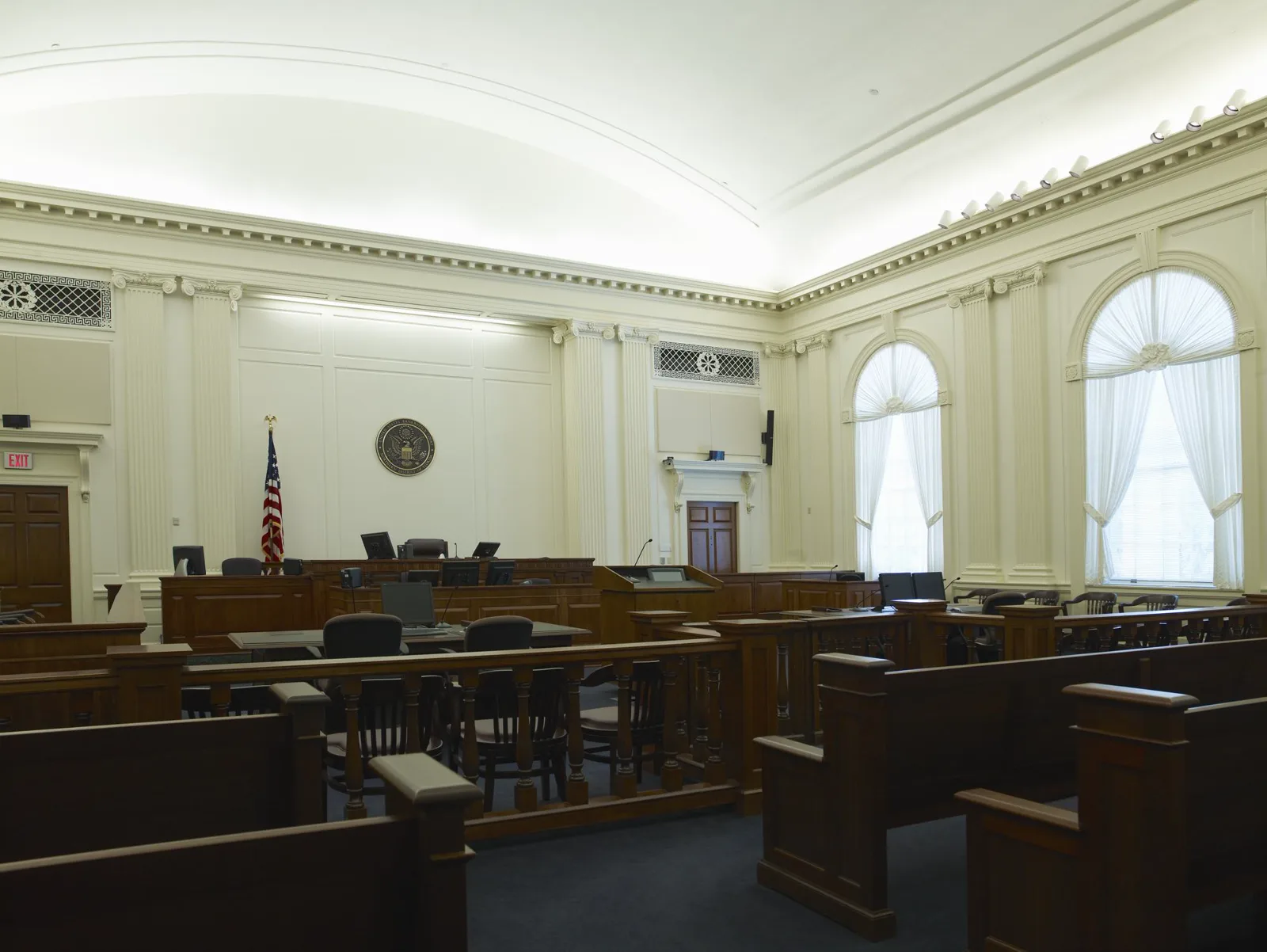
Tallahassee. A federal court in Tallahassee heard arguments Oct. 28 on whether to stop Florida from designating the Council on American-Islamic Relations and its Florida chapter as domestic terrorist organizations. By the morning of Nov. 4, the day before the designation is set to take effect, neither the groups' lawyers nor CAIR had announced a ruling.
Gov. Ron DeSantis and the Florida Cabinet approved the designation on Sept. 29 under House Bill 1471, a law that took effect July 1. Once a designation is effective, the law bars public money and contracts for the group and makes knowingly providing it material support a felony. Lawyers for CAIR and CAIR-Florida, from the American Civil Liberties Union, the ACLU of Florida and the Southern Poverty Law Center among others, say the groups will have to shut their doors in Florida on Nov. 5 unless the court acts.
What each side asked
In an emergency motion filed Oct. 2, the groups asked the court to order state officials to withdraw the designation and rescind its publication in the Florida Administrative Register. In the alternative, they asked it to bar the attorney general and Florida's 20 state attorneys from enforcing the law against the groups, and against third parties in connection with the designation. They argue that the law violates the First Amendment and due process.
In an Oct. 12 brief, the state's lawyers called the designation an administrative classification, not a criminal prosecution. They wrote that the groups could object before the vote and may still appeal in state court, and that the law targets conduct, not speech. The brief also asserts that CAIR was founded as a front for Hamas and the Muslim Brotherhood. The ACLU says the state has never charged either group with a crime and that neither engages in terrorist activity.
A new judge
U.S. District Judge Mark Walker, who in March blocked an earlier executive order by Mr. DeSantis against CAIR, first set the hearing for Oct. 22. The state has appealed his March ruling and asked that he be disqualified. On Oct. 15 he withdrew from the new case. He called the arguments for disqualification "nothing but rank judge shopping," but wrote that the U.S. Court of Appeals for the 11th Circuit had set the earlier appeal, including that question, for oral argument, and that it made no sense to spend the court's resources if that court disagreed with him. Another judge of the court heard the Oct. 28 arguments.
It is the groups' third federal suit this year. One filed July 1, when the law took effect, was dismissed Oct. 1 for lack of standing; the current case was filed hours later.
About this story
501c3.help wrote this story from the sources listed with it, not from material an organization sent. Our editors approved it on Nov. 4, 2026. Stories in The Nonprofit Herald are free, and nothing is asked in return. Editorial rules.
Found an error? Write to [email protected] and we will correct it.