Accountants ask the IRS to keep the bank details on its new refund form out of exempt organizations' public returns
In an Oct. 12 letter, the AICPA asked the IRS to say plainly that Form 8050, which exempt organizations attach to Forms 990-PF, 990-T, 4720 and 1120-POL to get refunds by direct deposit, is left out of the copies they must show the public.
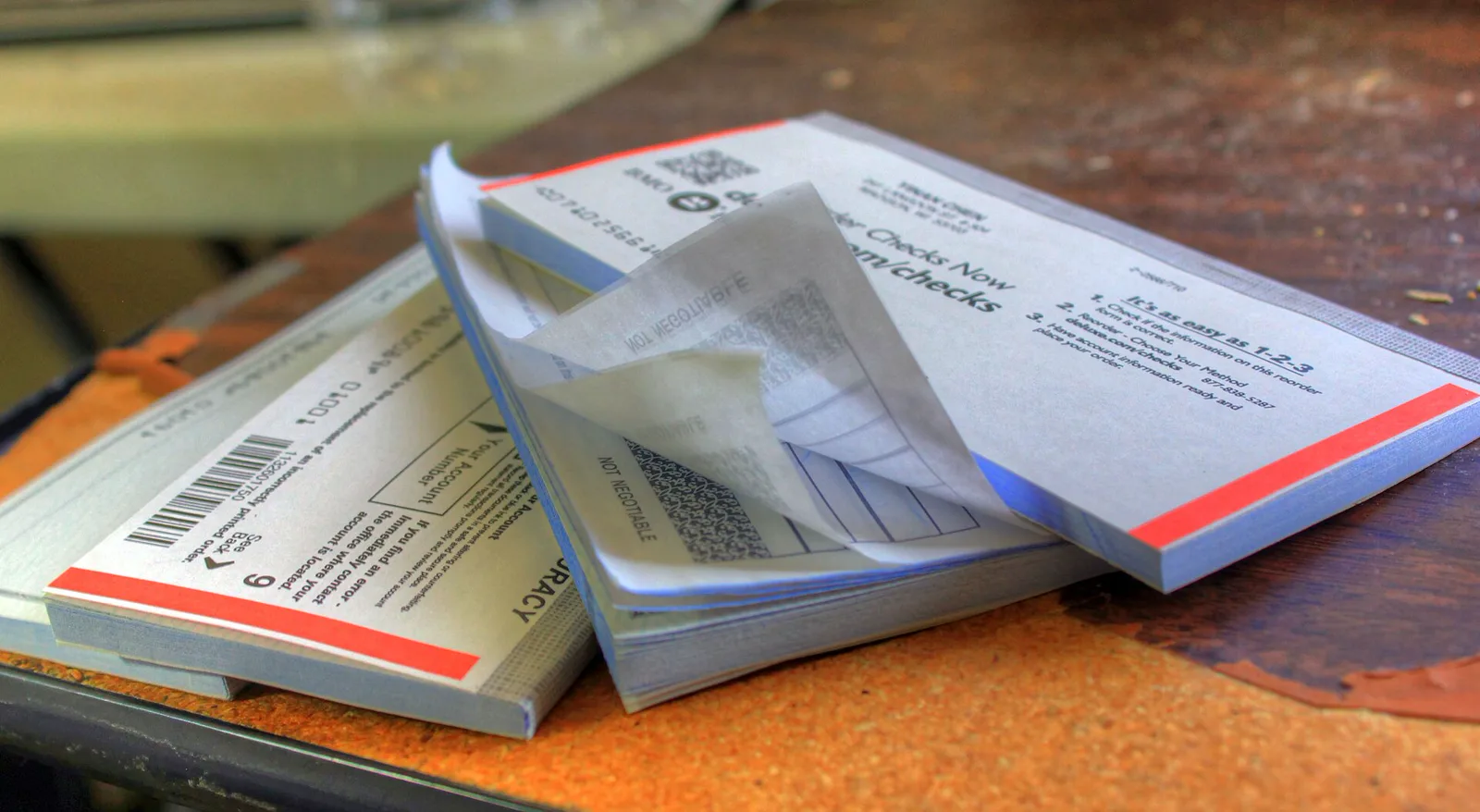
Washington. The American Institute of CPAs has asked the Internal Revenue Service to state that exempt organizations need not include Form 8050, which carries their bank routing and account numbers, in the copies of their returns open to the public. The request came in an Oct. 12 letter to Robert Malone, the IRS's director of exempt organizations and government entities.
Form 8050, Direct Deposit of Tax Exempt or Government Entity Tax Refund, is how an organization asks the IRS to deposit a refund straight into an account at a U.S. bank. The current version, dated December 2025, asks for a routing number, an account number and the type of account, and tells filers to attach it to Form 990-PF, 990-T, 1120-POL or 4720. It may be filed only with an original return.
The AICPA says the IRS adapted the form from one used for corporate refunds to carry out Executive Order 14247 of March 25, 2025. The order directed the Treasury to stop issuing paper checks for federal payments, tax refunds included, from Sept. 30, 2025, to the extent the law permits.
What must be shown to the public
Exempt organizations must make their annual returns, including Forms 990-PF and 990-T, available for public inspection for three years, and the IRS says such a return includes all schedules, attachments and supporting documents filed with it. For a charity's Form 990-T, attachments that do not relate to the tax on unrelated business income need not be shown, according to the IRS. Political organizations need not make Form 1120-POL available. Neither IRS page mentions Form 8050, and the form itself does not say whether it belongs in the public copy.
That leaves organizations unsure whether their bank details could end up in a copy shown to the public, the AICPA wrote. Individuals and companies give banking information on their annual returns, but that approach does not suit organizations whose returns are often public, the letter says.
“Including sensitive banking information on the return exposes taxpayers to unnecessary risk.”
What the AICPA proposes
The AICPA asks the IRS to change Form 8050 and its instructions to say that exempt organizations may leave the form out of the copy of the return open to public inspection. It points to Schedule B of Form 990, the schedule of contributors: most organizations that file Form 990 or 990-EZ may keep contributors' names and addresses out of their public copies, a sign, the letter says, that the IRS already protects some information.
The letter adds to general recommendations on carrying out the executive order that the AICPA sent the IRS on Jan. 26. On Oct. 15, the IRS's page for Form 8050 listed no recent developments.
About this story
501c3.help wrote this story from the sources listed with it, not from material an organization sent. Our editors approved it on Oct. 14, 2026. Stories in The Nonprofit Herald are free, and nothing is asked in return. Editorial rules.
Found an error? Write to [email protected] and we will correct it.
For American Institute of CPAs: put the badge on your website

Put it on your About page or wherever you list press mentions, rather than in a footer that repeats on every page. It links to this story.
Linking is welcome and never required. Nothing about the story changes either way.