Labor Department says nonprofit employees may volunteer for their employer, but not in their own line of work
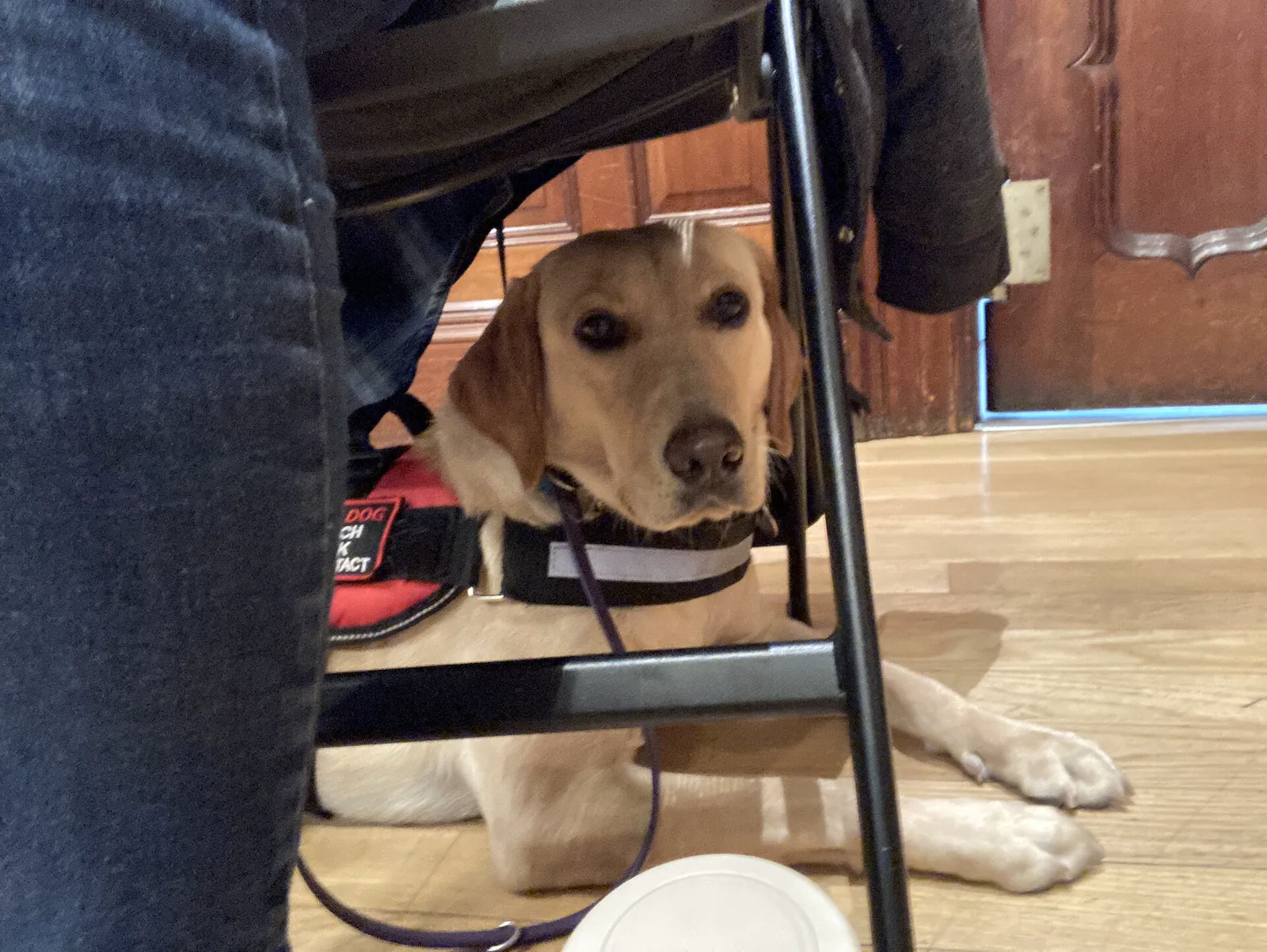
A Wage and Hour Division opinion letter dated Sept. 7 uses a service dog nonprofit as its example: veterinarians and directors may raise puppies at home as unpaid volunteers, while dog trainers may not.
Washington. Employees of a nonprofit may volunteer for the organization that pays them without the hours turning into paid work, but only if they do it freely, expect no pay for it and the volunteer work is not the kind they are employed to do, the U.S. Department of Labor's Wage and Hour Division said in an opinion letter dated Sept. 7.
The letter, FLSA2026-12, signed by the division's administrator, Andrew B. Rogers, is a month old. The law firm Littler wrote about it on Sept. 15, and it drew wider notice on Oct. 8, when the National Law Review published an analysis by the law firm Jackson Lewis.
Puppy raisers on the staff
The letter answers a request made for an unnamed private nonprofit that breeds, raises and trains service dogs for people with visual impairments and veterans with post-traumatic stress disorder. Volunteers raise its puppies at home before the dogs' specialized training. Some of its veterinarians, trainers and directors asked to raise puppies too, after hours.
The Fair Labor Standards Act sets out this rule only for public agencies, but the division said it has consistently applied it to nonprofit employees. Assuming the veterinarians diagnose and treat sick or injured dogs and the directors supervise staff, neither job involves raising puppies, so both may volunteer. Trainers may not: their work is likely the same or similar.
“A nonprofit employee cannot be both a paid employee and a non-paid volunteer while performing the same type of work for the same employer.”
When the hours count as work
When the conditions are not met, the time is part of the job. A nonexempt employee must then be paid for all hours worked, the volunteer hours included. A salaried exempt employee needs no extra pay, as long as the salary test is still met and the employee's primary duty remains exempt work. The letter said it lacked the facts to judge whether raising puppies would change that, or whether the employees were properly classified as exempt at all.
Volunteers may still receive expenses, reasonable benefits or a nominal fee, the letter notes. In earlier letters, a school bus driver could coach basketball but not drive the team to away games, and in 1999 the division found that a nonprofit's employees hired to care for and train dogs were not volunteers when they took its puppies home.
The letter warns that a nonprofit that treats employees as volunteers by mistake could owe back wages, overtime, liquidated damages and attorneys' fees. It is an official interpretation that employers may rely on under the Portal-to-Portal Act, and it rests only on the facts the requester gave.
About this story
501c3.help wrote this story from the sources listed with it, not from material an organization sent. Our editors approved it on Oct. 9, 2026. Stories in The Nonprofit Herald are free, and nothing is asked in return. Editorial rules.
Found an error? Write to [email protected] and we will correct it.