Stopgap spending law bars OMB from finalizing its rewrite of federal grant rules until Dec. 11
The law President Trump signed Sept. 2 funds the government through Dec. 11 and blocks the proposed overhaul of the Uniform Guidance, which OMB had wanted in force by Oct. 1. Until then, grants stay under the current rules.
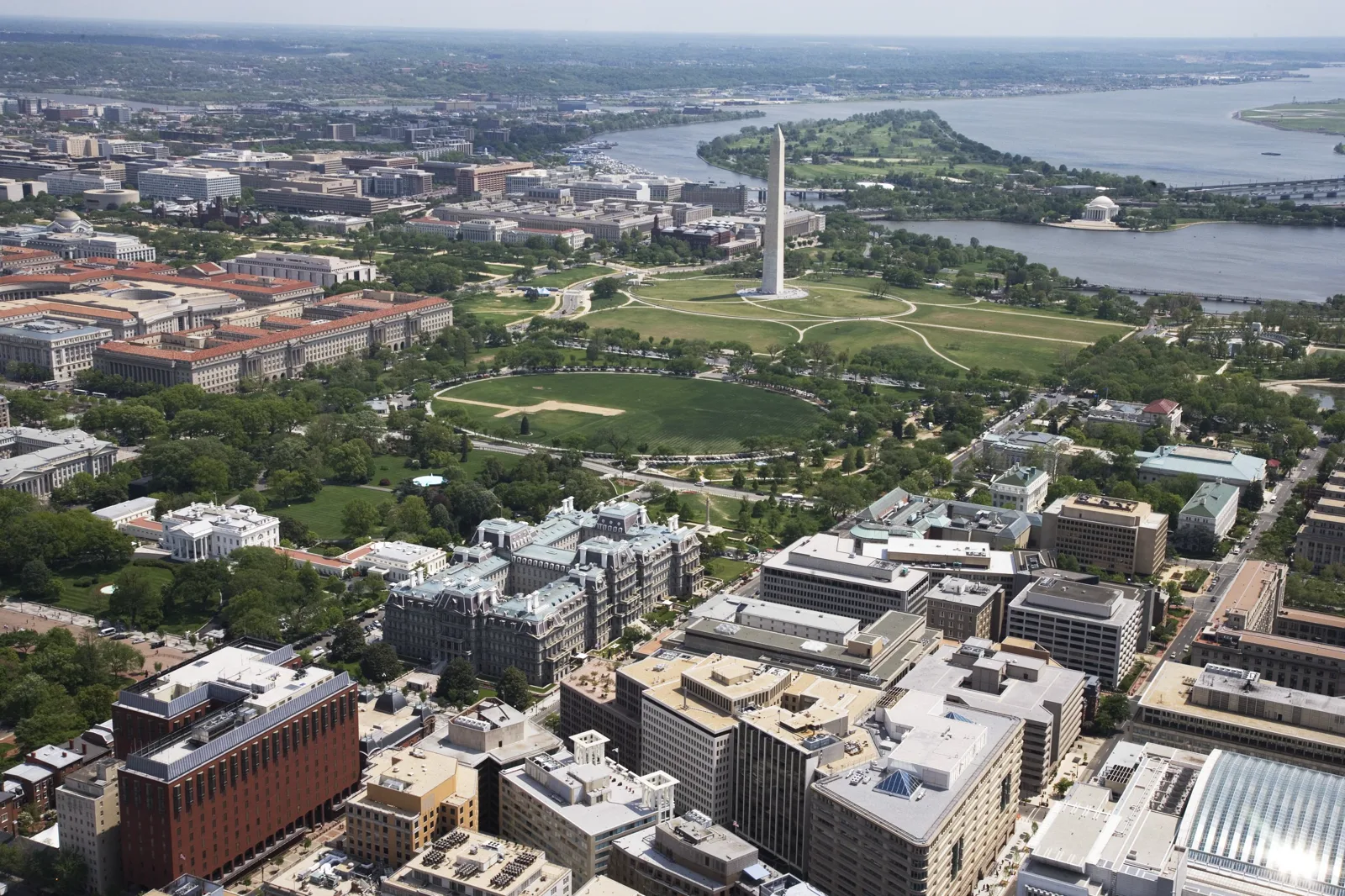
Washington. The Office of Management and Budget may not issue or finalize its proposed rewrite of the rules that govern federal grants before Dec. 11, under the stopgap spending law President Donald Trump signed on Sept. 2. OMB had proposed that the new rules take effect by Oct. 1, the start of the federal fiscal year, so the current rules will still apply when it begins.
The Continuing Appropriations and Extensions Act, 2027, H.R. 6500, now Public Law 119-103, funds federal agencies through Dec. 11. The Senate passed it 90 to 6 on Aug. 8, and the House accepted the Senate's version 370 to 48 on Sept. 1. Its Section 157 says a rule arising from OMB's May 29 proposal, "or a substantially similar rule, shall not be issued or finalized" through Dec. 11.
What OMB proposed
The proposal, titled Regulation for Federal Financial Assistance, would revise the Uniform Guidance, the regulations that set how grants and cooperative agreements are awarded, managed and audited. OMB says it would improve transparency, accountability and oversight, keep awards in line with the President's priorities and stop them from paying for what it calls unlawful diversity, equity and inclusion policies.
Senior appointees would review proposals before awards are made, with peer review only advisory. Agencies could end a discretionary award they decide is no longer in the government's interest. Fixed amount awards and subawards, which carry no routine monitoring of actual costs, would be eliminated. The public docket had received about 497,000 comments by early August, according to the Federal Register.
Who objected
The National Association of Counties called the delay "a major win for counties." Lehigh University in Bethlehem, Pa., which relies on federal money for about 72 percent of its research budget, filed comments and asked lawmakers to support language blocking the rule, Christopher Carter, its associate vice president for government relations, told The Brown and White, the student newspaper.
“The biggest risk isn't just more and costly administrative red tape. It's the threat of unpredictable political intervention that could impact active research grants based on the shifting federal priorities of the administration.”
Mr. Carter said ending fixed amount awards could push smaller partners into full cost accounting and audits. The Pennsylvania Association of Nonprofit Organizations, whose staff told the paper that 90 percent of the state's nonprofits have budgets under $1 million, plans to urge members to contact Congress before Dec. 11.
The law pauses the proposal; it does not withdraw it. After Dec. 11, Congress could extend the ban in another stopgap or in full-year spending bills; if it lets the section lapse, OMB could move quickly to finalize the rule, the accounting firm BDO wrote.
About this story
501c3.help wrote this story from the sources listed with it, not from material an organization sent. Our editors approved it on Sept. 29, 2026. Stories in The Nonprofit Herald are free, and nothing is asked in return. Editorial rules.
Found an error? Write to [email protected] and we will correct it.
For the organizations in this story: put the badge on your website
Put it on your About page or wherever you list press mentions, rather than in a footer that repeats on every page. It links to this story.
Linking is welcome and never required. Nothing about the story changes either way.