Appeals court upholds the rule that charities report their largest contributors to the IRS
A divided Sixth Circuit panel ruled Nov. 25 that the Schedule B requirement is a reasonable condition of 501(c)(3) status, reversing a lower court in a suit by The Buckeye Institute. Charities keep filing the list as before.
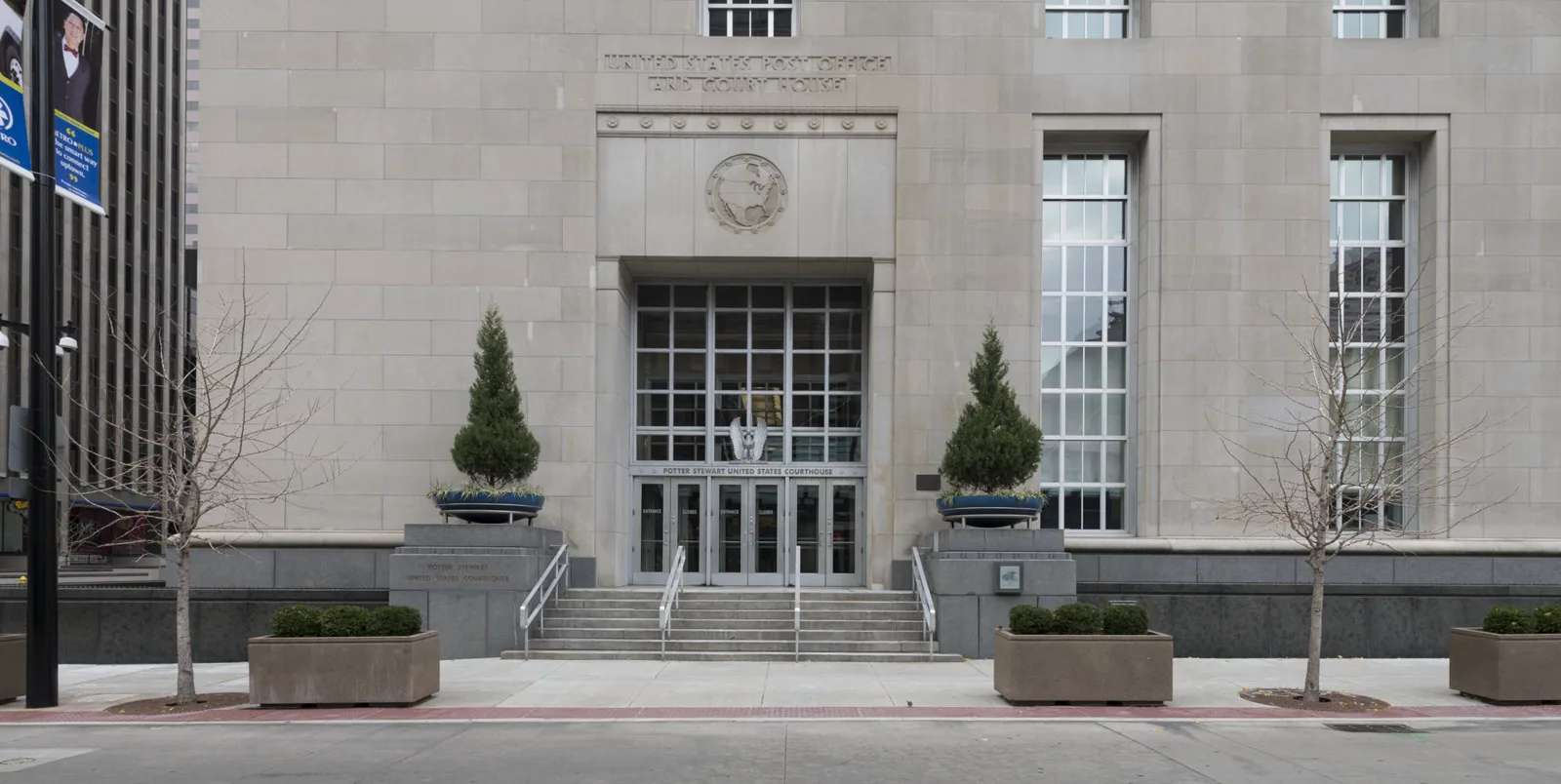
Cincinnati. A federal appeals court has upheld the requirement that most 501(c)(3) public charities give the IRS the names and addresses of their largest contributors each year. In a 2 to 1 decision issued Nov. 25, the U.S. Court of Appeals for the Sixth Circuit reversed a district court in Columbus, Ohio, and told it to enter judgment for the IRS in a suit brought by The Buckeye Institute, a Columbus think tank.
The rule, Section 6033(b)(5) of the tax code, dates to the Tax Reform Act of 1969. Charities that file Form 990 list their substantial contributors on Schedule B. A public charity's list goes only to the IRS and is not open to the public; a private foundation's list is public. Churches and very small charities file no Schedule B. According to the opinion, public charities filed 248,781 Form 990 returns in 2022, and Buckeye, because of its revenue, must report anyone who gives it more than about $50,000.
What the court decided
Buckeye sued after the Supreme Court in 2021 struck down California's demand for charities' Schedule B lists in Americans for Prosperity Foundation v. Bonta. U.S. District Judge Michael H. Watson ruled that the same exacting scrutiny applied to the federal rule and allowed the case to proceed to discovery. The appeals court took the IRS's appeal before trial.
Writing for the majority, Judge Richard Allen Griffin, joined by Judge R. Guy Cole Jr., held that Congress may attach reasonable conditions to a federal subsidy, and that tax exemption and the deduction for gifts are such a subsidy. The rule, he wrote, reaches only certain contributors who matter to how the tax code treats a charity, does not touch what the charity says or with whom it works, and leaves open the choice of operating as a 501(c)(4), which files no such list. The court said its conclusion covers Buckeye and any public charity.
The dissent and what comes next
Judge Chad A. Readler dissented. He wrote that the majority had applied what amounts to rational basis review, that exacting scrutiny should govern as it did in the California case, and that the district court should have been left to build a record.
“Once that scrutiny is properly calibrated and properly applied here, it becomes evident that the IRS's donor disclosure requirement cannot comfortably exist alongside the First Amendment.”
For now nothing changes for charities: the Schedule B list is still due with Form 990, and wrongful disclosure of it remains punishable by criminal and civil penalties. Buckeye's page on the case reported the decision but did not say whether it would ask the full Sixth Circuit to rehear the case or petition the Supreme Court.
About this story
501c3.help wrote this story from the sources listed with it, not from material an organization sent. Our editors approved it on Nov. 27, 2026. Stories in The Nonprofit Herald are free, and nothing is asked in return. Editorial rules.
Found an error? Write to [email protected] and we will correct it.