Nonprofits hit by Hurricane Isaias in the Florida Panhandle can borrow up to $2 million from the SBA
The Small Business Administration opened disaster loans on Nov. 4 for private nonprofits in eight Florida counties, with loans for operating losses only in four more Florida counties and four in Alabama. Applications for property damage are due Dec. 28.
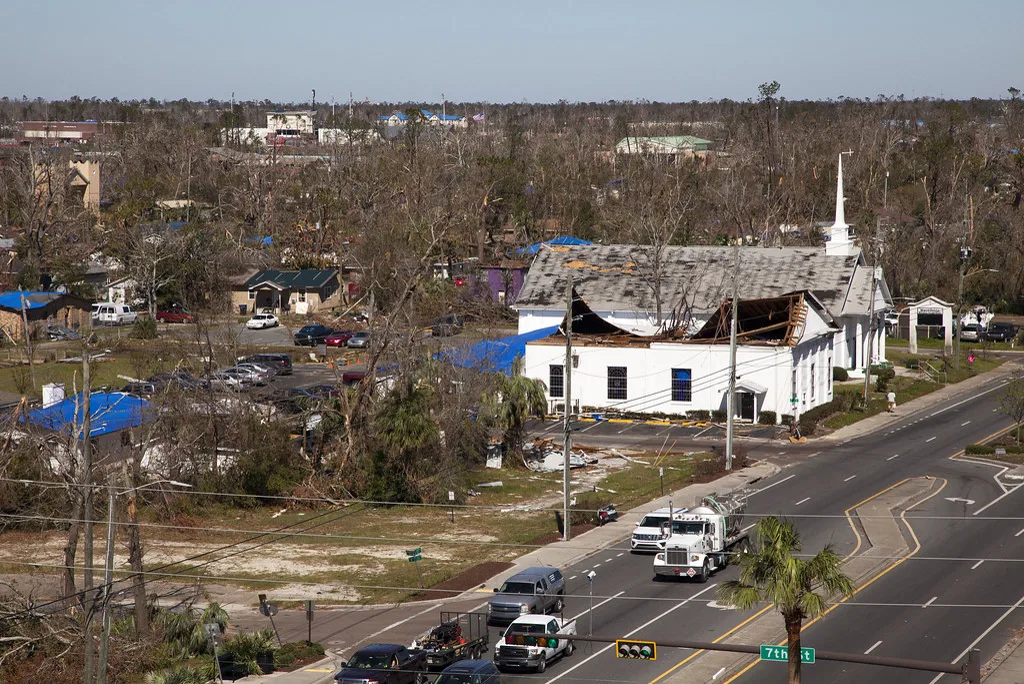
Washington. Private nonprofits in eight Florida Panhandle counties damaged by Hurricane Isaias can borrow up to $2 million from the U.S. Small Business Administration to repair or replace their property, the agency said on Nov. 4. Nonprofits in eight neighboring counties, four in Florida and four in Alabama, may apply only for loans that cover operating losses.
The loans follow a presidential disaster declaration issued on Oct. 27 for the storm, which struck from Oct. 6 to 12. The Federal Emergency Management Agency lists it as disaster 4955.
Who can borrow and for what
Physical damage loans are open to organizations in Bay, Escambia, Gulf, Holmes, Okaloosa, Santa Rosa, Walton and Washington counties. They can pay to repair or replace damaged real estate, machinery and equipment, inventory and other assets. The SBA may add up to 20 percent of the verified damage for improvements that protect against future storms, such as strengthening a building against high winds or installing a safe room or storm shelter.
The same counties are eligible for Economic Injury Disaster Loans, which cover working capital and are open to faith-based organizations and to those with no physical damage. They can pay fixed debts, payroll, accounts payable and other bills the disaster left unpaid. Most private nonprofits in Calhoun, Franklin, Jackson and Liberty counties in Florida, and in Baldwin, Covington, Escambia and Geneva counties in Alabama, may apply for these loans only.
The rate for private nonprofits is as low as 3.625 percent, with terms of up to 30 years. Interest does not accrue and payments are not due until 12 months after the first disbursement. The SBA sets each loan's amount and terms based on the applicant's financial condition.
Deadlines, and why the loan comes first
Applications for physical damage are due Dec. 28, and for economic injury July 27, 2027. Applicants can apply online or get help in person at a Business Recovery Center the SBA opened on Nov. 3 at the Ferry Pass Community Center in Pensacola, open weekdays from 8 a.m. to 5 p.m. and Saturdays from 10 a.m. to 2 p.m. until Dec. 28.
FEMA's records show its Public Assistance program, which pays for repairs to public and some nonprofit facilities, declared in the same eight counties and in Calhoun, Franklin, Gadsden, Jackson, Jefferson, Liberty and Wakulla counties. Under federal rules, a private nonprofit that does not provide critical services such as power, water, emergency medical care or fire protection can receive FEMA money to restore its facility only after applying for an SBA disaster loan, and only if the SBA declines it or its eligible damage exceeds the largest loan it can get.
About this story
501c3.help wrote this story from the sources listed with it, not from material an organization sent. Our editors approved it on Nov. 5, 2026. Stories in The Nonprofit Herald are free, and nothing is asked in return. Editorial rules.
Found an error? Write to [email protected] and we will correct it.