Planetarium director's $2.73 million estate gift will double Rochester foundation's historic preservation grants
Rochester Area Community Foundation said on Oct. 20 that Don Hall's estate gift will double its yearly historic preservation grantmaking from 2027. This year the program gave more than $365,000 to 28 nonprofits, 42% of what they asked for.
Rochester. Nonprofits that look after historic buildings and local history in the Rochester region will be competing for about twice as much money from 2027, after a $2.73 million gift from the estate of Don Hall, former director of the Strasenburgh Planetarium, Rochester Area Community Foundation said on Oct. 20.
The gift goes into the Donald S. Hall Fund, which Mr. Hall set up at the foundation in 2006 to support historic preservation. Starting in 2027, it will double the foundation's annual grantmaking for historic preservation, the foundation said.
Who the grants reach
In 2026 the foundation's historic preservation grants went to 28 nonprofits and totaled more than $365,000, which was 42% of the dollars requested. The money restores aging historic buildings, digitizes pieces of the community's history and widens access to historical assets.
The competitive program, called Preserving Historical Assets, is open to 501(c)(3) organizations and 509(a)(1) public organizations in the foundation's eight counties: Genesee, Livingston, Monroe, Ontario, Orleans, Seneca, Wayne and Yates. A typical grant is $15,000 to $20,000. It funds capital projects that preserve historical assets and educational programs that bring residents into contact with the region's history. This year's applications were due May 8 and decisions came in late August; the foundation announces future rounds in its quarterly newsletter, Grant Opportunities.
The program also draws on two other endowed funds: one left by Elizabeth Gibson Holahan, a past president of the Landmark Society of Western New York, and the Lloyd E. Klos Historical Fund, created with a $4 million bequest.
“Next year, we will be able to say 'yes' to more proposals aiming to protect aging structures and more widely share the many stories that make our region special.”
A fund built $100 at a time
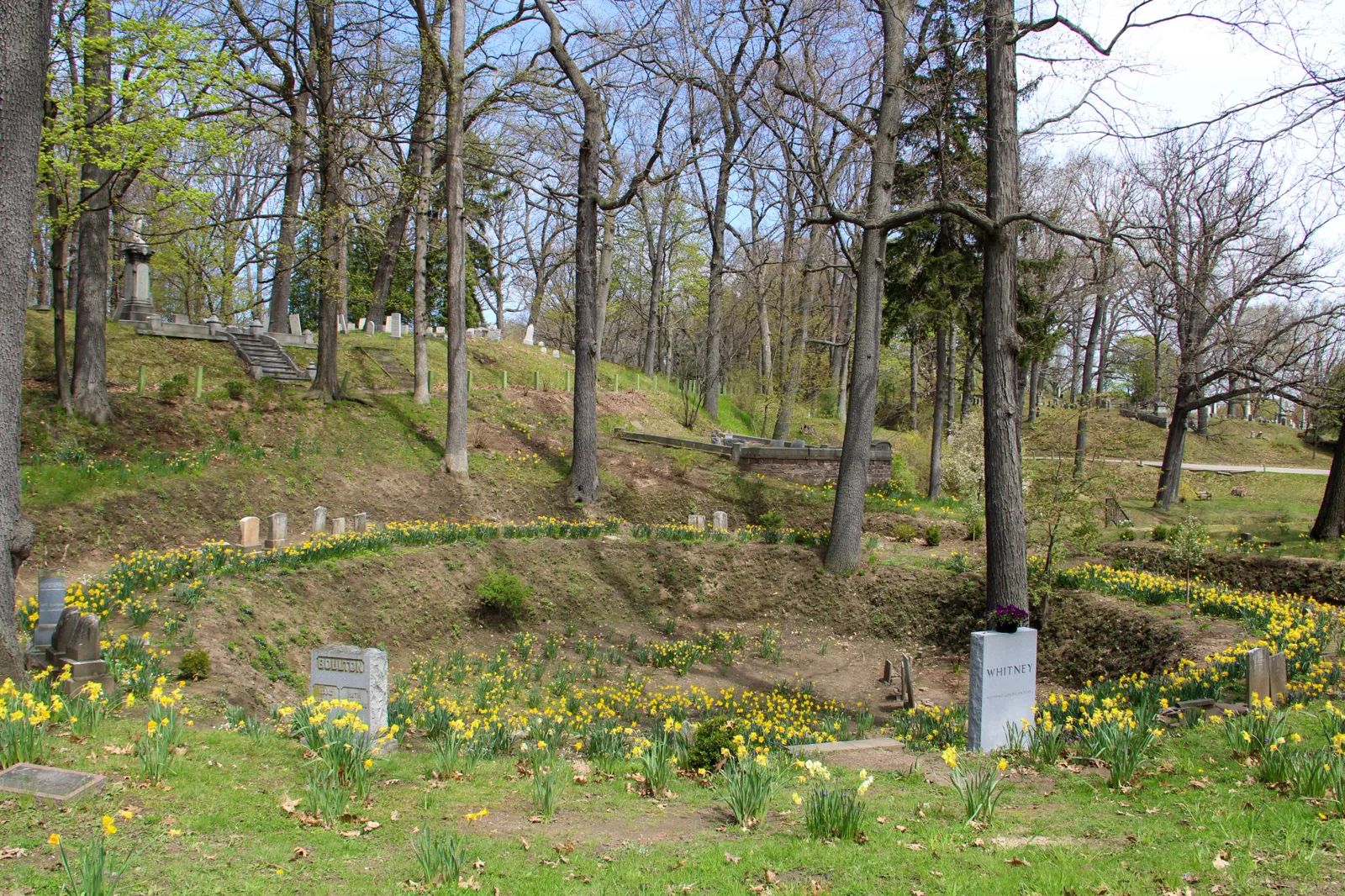
Mr. Hall retired from the planetarium, part of the Rochester Museum & Science Center, in 2005 after 27 years, when his top salary was $60,000, the foundation said. He trained astronauts in NASA's space program, including Neil Armstrong, and later gave tours at Mount Hope Cemetery and lectures on the mansions of East Avenue.
According to a foundation profile, he built the fund with gifts of $100 or $200 at a time, often from speaker fees, and called it his chance at immortality. In a 2020 interview with foundation staff he said he wanted his gift to show others in the community that they, too, could become philanthropists.
About this story
501c3.help wrote this story from the sources listed with it, not from material an organization sent. Our editors approved it on Oct. 27, 2026. Stories in The Nonprofit Herald are free, and nothing is asked in return. Editorial rules.
Found an error? Write to [email protected] and we will correct it.
For the organizations in this story: put the badge on your website

Put it on your About page or wherever you list press mentions, rather than in a footer that repeats on every page. It links to this story.
Linking is welcome and never required. Nothing about the story changes either way.