National Park Service awards Paul Bruhn grants to fix up historic buildings in rural towns
The agency says nearly $17 million goes to 25 projects in 20 states. Each recipient, among them states, local governments and nonprofits, will run its own subgrant program for historic buildings in rural communities, with awards from $400,000 to $750,000.
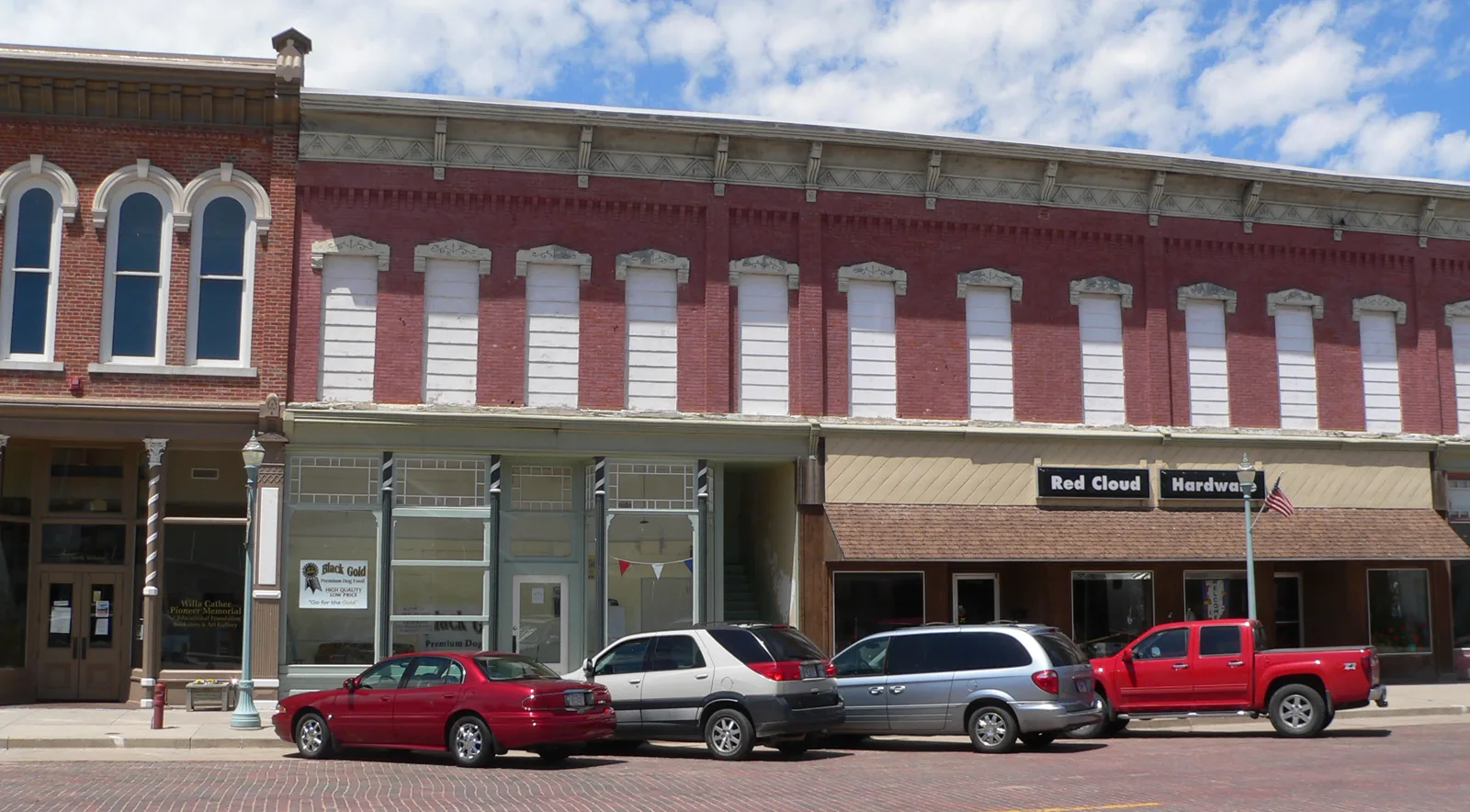
Washington. The National Park Service is putting nearly $17 million into Paul Bruhn Historic Revitalization Grants for 25 projects in 20 states, money meant to rehabilitate historic buildings and foster economic development in rural communities, according to an announcement on the agency's website last updated Oct. 1. The grants come from the Historic Preservation Fund's appropriations for fiscal 2025 and fiscal 2026.
Recipients include states, tribes, certified local governments, special district governments and nonprofits. The fund is paid for by revenue from federal oil and gas leases on the Outer Continental Shelf and does not use tax dollars, the agency said.
Who received grants
The announcement gives the total as nearly $17 million. Its table, introduced as "Projects awarded include," lists 25 projects. By the Herald's count, 21 of them received $750,000; the smallest award, $400,000, went to the City of Uvalde, Texas, for a historic building stabilization program.
Among the nonprofit recipients, Preservation Delaware received $750,000 for rural preservation in the state's Downtown Development Districts, and Missouri Main Street Connection received $750,000 for rural preservation in Missouri. Partners for Sacred Places, based in Philadelphia, received $750,000 for a program it calls Maryland Rural Religious Revival. The Alliance for Historic Wyoming received $550,000 and the Murray Main Street Program in Kentucky $500,000. Other awards went to state agencies, cities and regional development districts.
How the program works
The program, named for the late Vermont preservation leader Paul Bruhn, gives each recipient a single grant that it then awards in smaller amounts to individual buildings, according to the Park Service's program page. Each recipient designs its own subgrant program: which towns, counties or region it serves, which kinds of buildings qualify, and how it chooses them through a local competition held after the award.
Recipients may not use the money on their own properties or on buildings chosen in advance. A building that receives a subgrant must be listed in the National Register of Historic Places, or eligible for listing, and stand in a rural community of fewer than 50,000 people. Architectural and engineering work may take no more than 20 percent of a subgrant; the rest goes to physical preservation.
The program page lists a funding notice that closed to applications on June 23.
About this story
501c3.help wrote this story from the sources listed with it, not from material an organization sent. Our editors approved it on Oct. 2, 2026. Stories in The Nonprofit Herald are free, and nothing is asked in return. Editorial rules.
Found an error? Write to [email protected] and we will correct it.
For the organizations in this story: put the badge on your website
Put it on your About page or wherever you list press mentions, rather than in a footer that repeats on every page. It links to this story.
Linking is welcome and never required. Nothing about the story changes either way.