Montana's attorney general tells the federal court he will not defend Initiative 194, the ban on election spending by nonprofits and corporations
Austin Knudsen says the voter-approved law plainly violates the First Amendment but will enforce it until a court rules. The two lawsuits against it, one led by a nonprofit think tank and one by chambers of commerce, are now a single case.
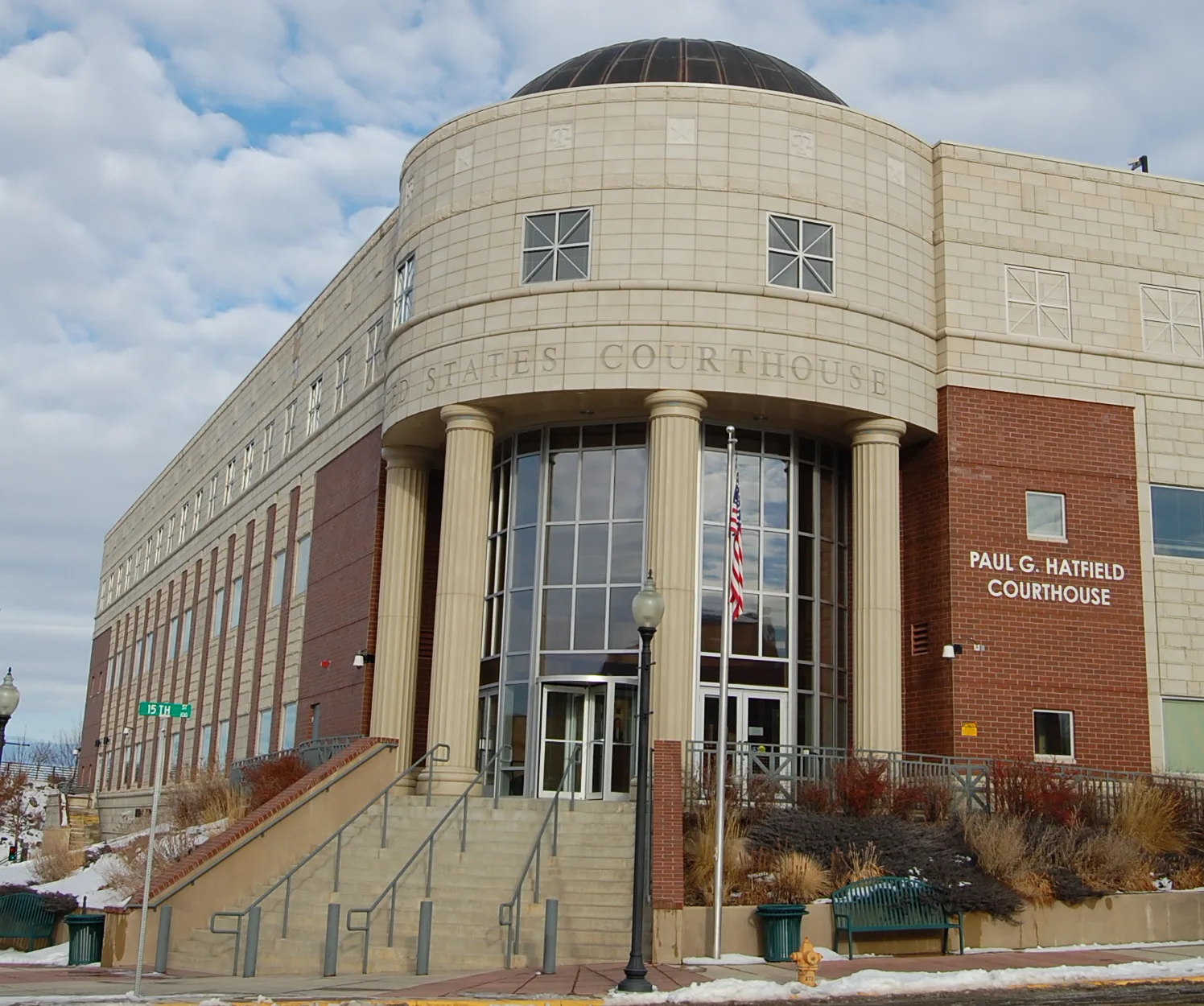
Helena. Montana Attorney General Austin Knudsen has told the federal court in Helena that his office will not defend Initiative 194, the measure voters approved on Nov. 3 that takes away the power of nonprofits, corporations and other organizations to spend money for or against candidates, parties and ballot issues in the state. He made the announcement in a document filed on Friday, Nov. 13, KBZK reported.
The filing, as quoted by the station, says this is consistent with the position his office took before on similar proposals that restrict the political speech of entities with corporate charters. Mr. Knudsen also said he would enforce the law "until the judicial branch can render a decision in this matter."
“The Attorney General has determined that Initiative 194 plainly violates the First Amendment under the U.S. Supreme Court's decisions in First Nat'l Bank v. Bellotti and Citizens United v. Fed. Election Comm'n.”
The Transparent Election Initiative, the group that put the measure on the ballot, said in a statement on social media that it would step in to defend the law. Its founder and president, Jeff Mangan, said the attorney general had decided that the will of the voters did not matter. The measure passed with about two thirds of the vote, KBZK reported.
Two lawsuits, one case
The first challenge was filed on Election Day by the Frontier Institute and four other plaintiffs, including two family advocacy groups and the Montana Republican Party. A second followed on Nov. 12: the Chamber of Commerce of the United States, the Montana Chamber of Commerce and the Billings and Kalispell chambers of commerce, all nonprofit associations, sued Mr. Knudsen and Secretary of State Christi Jacobsen. Their complaint calls the law a categorical ban on political speech, says it is already having "immediate and severe chilling effects" on the chambers and their members, and asks for a preliminary and then a permanent injunction.
On Nov. 13, U.S. District Judge William W. Mercer combined the two suits under the Frontier case's docket number with the title In re: Ballot Initiative 194 Litigation, finding that both raise the same question: whether the law violates the First Amendment on its face. The same day he recused himself from the case and asked that it be reassigned.
What comes next
No hearing had been scheduled as of Monday morning, Nov. 16, according to KBZK. Unless a court blocks it first, the law takes effect Jan. 1, 2027, and the attorney general has said he will enforce it until the court rules.
About this story
501c3.help wrote this story from the sources listed with it, not from material an organization sent. Our editors approved it on Nov. 18, 2026. Stories in The Nonprofit Herald are free, and nothing is asked in return. Editorial rules.
Found an error? Write to [email protected] and we will correct it.