Mobile Beacon opens Wi-Fly grants of Chromebooks, hotspots and two years of internet service to nonprofits, libraries and schools
The Rhode Island nonprofit takes applications until Dec. 31 from organizations anywhere in the country. Each grant comes with two years of unlimited mobile data, and every applicant will hear back in early February.
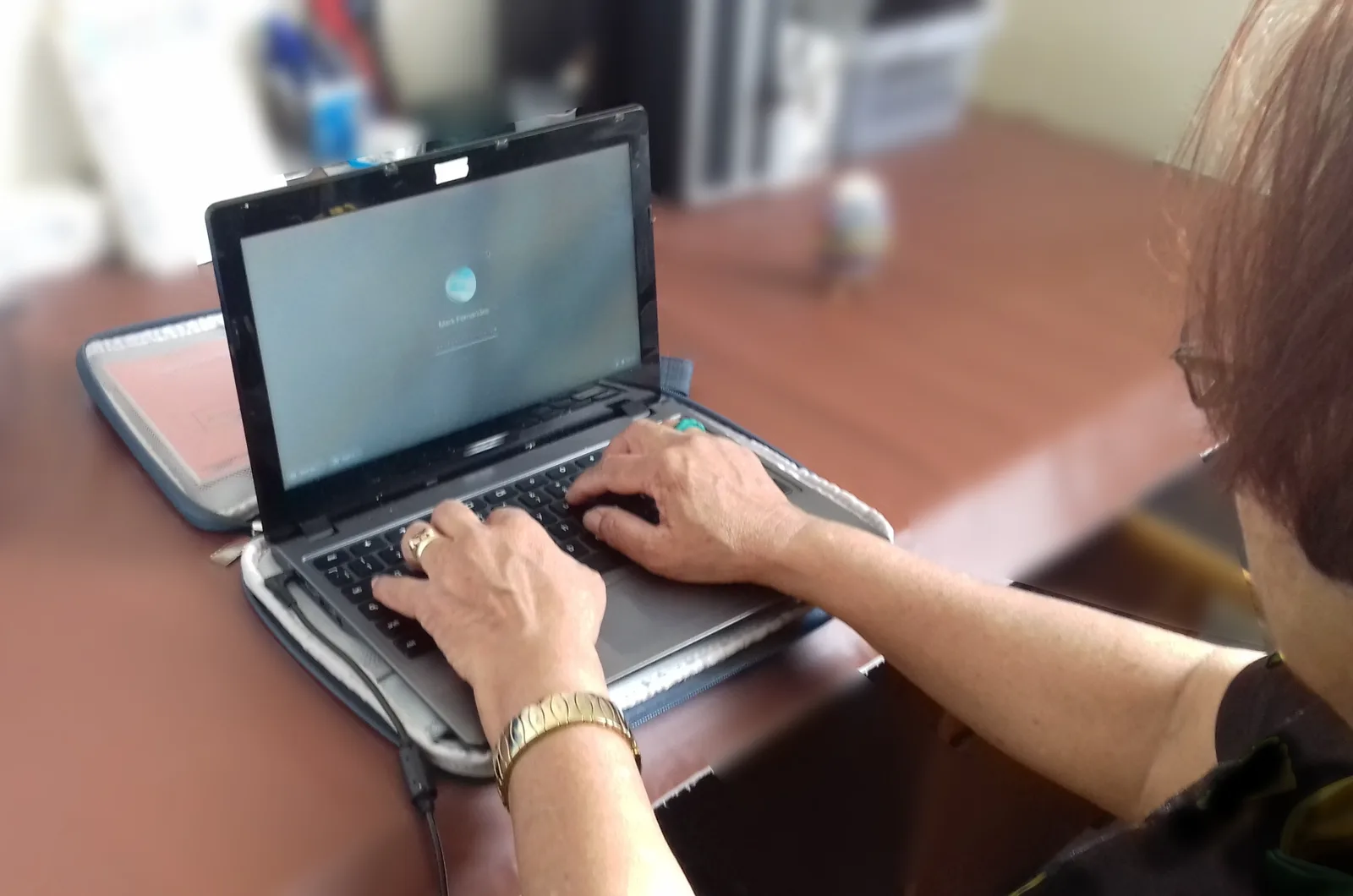
Lincoln. Mobile Beacon, a nonprofit that provides low-cost mobile internet service to schools, libraries and other mission-driven organizations, said on Nov. 5 that it has opened its Wi-Fly Fall/Winter Grant Program to nonprofits, libraries, health care providers and schools anywhere in the United States. Applications are open through Dec. 31.
The grants are equipment and service rather than money, and Mobile Beacon puts no dollar value on them. Previous recipients used theirs to start digital skills courses, workforce training and computer labs, and to bring internet access to underserved communities, the organization said.
Three kinds of grant
An organization applies for one of three grants, and Mobile Beacon said it will choose recipients in each category, without saying how many. A Computer Connectivity Grant brings 25 Chromebooks and 25 mobile hotspots. A Mobile Connectivity Grant brings 10 hotspots, each able to connect up to 10 devices at a time. A Service Line Grant brings 10 SIM cards, which the organization describes as a way to breathe new life into old devices.
Each grant also carries two years of Mobile Beacon's mobile service with unlimited data.
What the application asks
The online form asks for the organization's EIN and for short essays: a picture of the community, who the program will reach, the pilot program the equipment will make possible, how it will help people overcome barriers, and the areas it will serve. Applicants must also say how they will measure their impact, and the form says pilot sites must survey participants before and after the program.
Mobile Beacon will review applications in January and notify every applicant in early February 2027. It asks applicants to design a program around their own community's needs.
“Our Wi-Fly Connectivity Grants are intended to help launch new programs with a focus on grants that generate a big lift for small nonprofit organizations, community and rural healthcare, libraries, and classrooms and teachers.”
Mobile Beacon was created by the North American Catholic Educational Programming Foundation, a 501(c)(3) organization that its website calls the second-largest national Educational Broadband Service provider. Chris Watson, Mobile Beacon's head of marketing and communications, said in the announcement that it launched the country's first library hotspot lending program, in Rhode Island in 2012.
About this story
501c3.help wrote this story from the sources listed with it, not from material an organization sent. Our editors approved it on Nov. 7, 2026. Stories in The Nonprofit Herald are free, and nothing is asked in return. Editorial rules.
Found an error? Write to [email protected] and we will correct it.
For Mobile Beacon: put the badge on your website

Put it on your About page or wherever you list press mentions, rather than in a footer that repeats on every page. It links to this story.
Linking is welcome and never required. Nothing about the story changes either way.