Iowa attorney general's office awards its first opioid settlement grants, $1.6 million to five recipients
Three nonprofits are among the recipients Attorney General Brenna Bird announced on Sept. 3. Her office expects about $20 million in all through June 2030 and keeps taking applications, reviewed on a rolling basis.
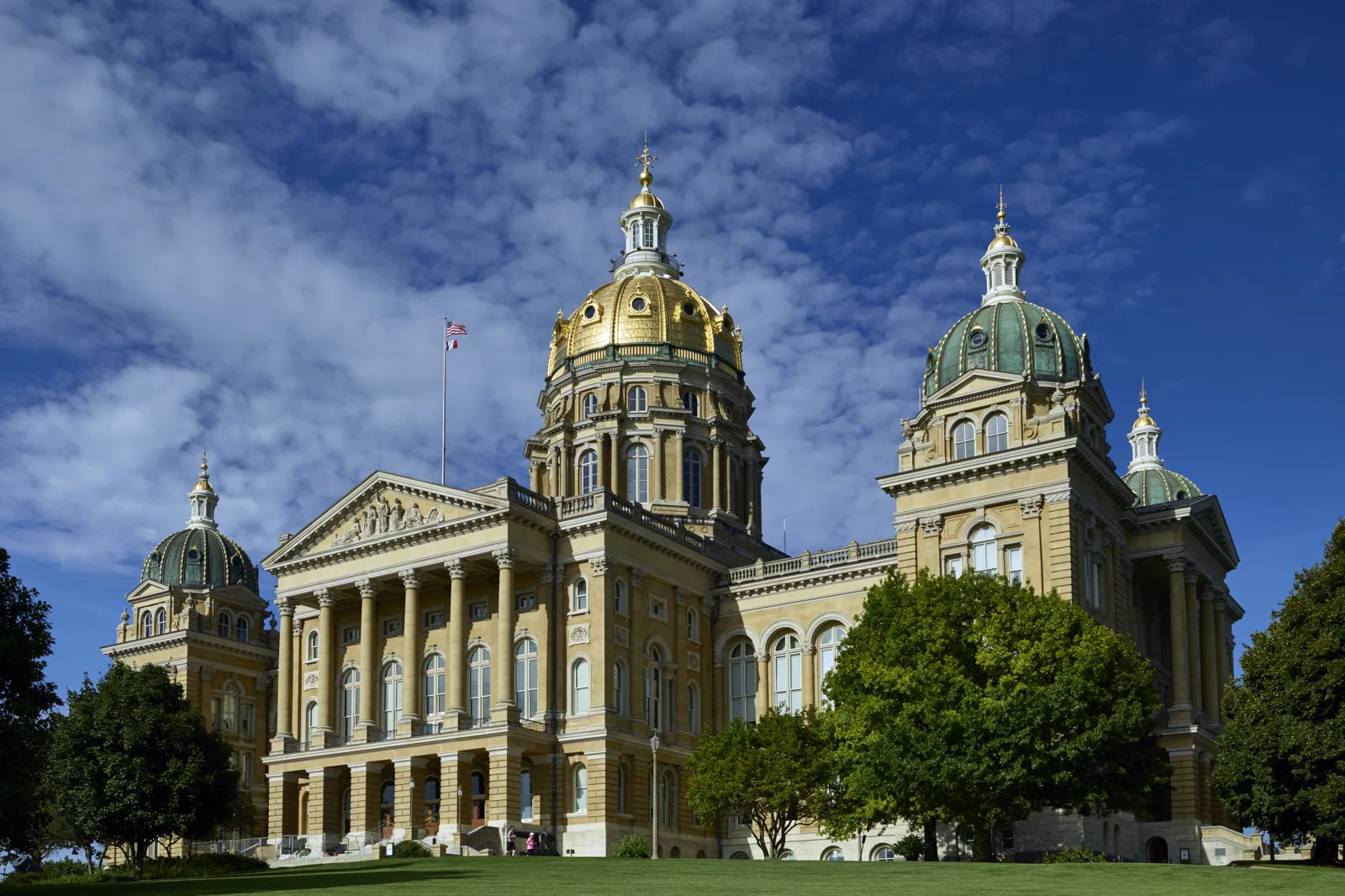
Des Moines. Three nonprofits are among the five recipients of the first opioid settlement grants from the office of Iowa Attorney General Brenna Bird, which announced awards totaling more than $1.6 million on Sept. 3. The office is still accepting applications and makes awards on a rolling basis.
House File 1038, which Gov. Kim Reynolds signed on June 6, 2025, gives the office 25 percent of the state's share of national opioid settlements for the five fiscal years ending June 30, 2030, and the Iowa Department of Health and Human Services the other 75 percent. The office expects its part to come to about $20 million.
The first recipients
The largest award, $919,480, went to St. Vincent de Paul in Des Moines, whose staff and kiosk at the Polk County Jail connect people with transportation, shelters, benefits and harm reduction resources. The Warming Shelter in Sioux City, which serves homeless people who have substance use issues, received $304,218. Boys & Girls Clubs of Central Iowa received $57,000 for two programs that help children ages 6 to 18 resist peer pressure and handle challenges related to substance use and mental health.
The other two awards went to public bodies: $317,344 to the Cerro Gordo County Department of Public Health for peer support for inmates, and $6,660 to the Johnson County Sheriff's Department for a narcotics incinerator.
Who may apply, and on what terms
The notice of funding opportunity is open to 501(c)(3) nonprofits, for-profit businesses, state and local governments and law enforcement agencies. A project must be a use the national settlement agreements permit, and no applicant may receive more than one award. The office also weighs recommendations from the Iowa Primary Care Association, and it is not required to tell each applicant whether its request was approved or denied.
Grants cover only costs from the date of an award through June 30, 2030. The office may reduce an award, or require money already paid to be returned, if settlement payments fall below its projections, for instance because a paying company files for bankruptcy, or if a recipient breaches its contract.
The notice projects about $9.5 million available in fiscal 2026 and $19.3 million over the five years. Ms. Bird said on Sept. 3 that the fund held a little over $9 million and that more awards would come before the end of the year, KEYC reported.
In July, Senate Democrats had criticized the office for not yet distributing any of its share. Its communications director, Jennifer Green, said then that it had built its distribution process from scratch. The law requires the office to report each disbursement to the legislature and the governor by Nov. 1 of every year.
About this story
501c3.help wrote this story from the sources listed with it, not from material an organization sent. Our editors approved it on Sept. 29, 2026. Stories in The Nonprofit Herald are free, and nothing is asked in return. Editorial rules.
Found an error? Write to [email protected] and we will correct it.
For the organizations in this story: put the badge on your website

Put it on your About page or wherever you list press mentions, rather than in a footer that repeats on every page. It links to this story.
Linking is welcome and never required. Nothing about the story changes either way.