Florida's rewritten nonprofit corporation law, in effect since July 1, sets new duties for officers and new default rules for boards
The Florida Nonprofit Corporation Act replaced the Not For Profit Corporation Act for about 196,000 corporations. Charities keep a three-director minimum, liability protection now covers every nonprofit's directors and officers, and a corporation holding charitable property cannot become a for-profit.
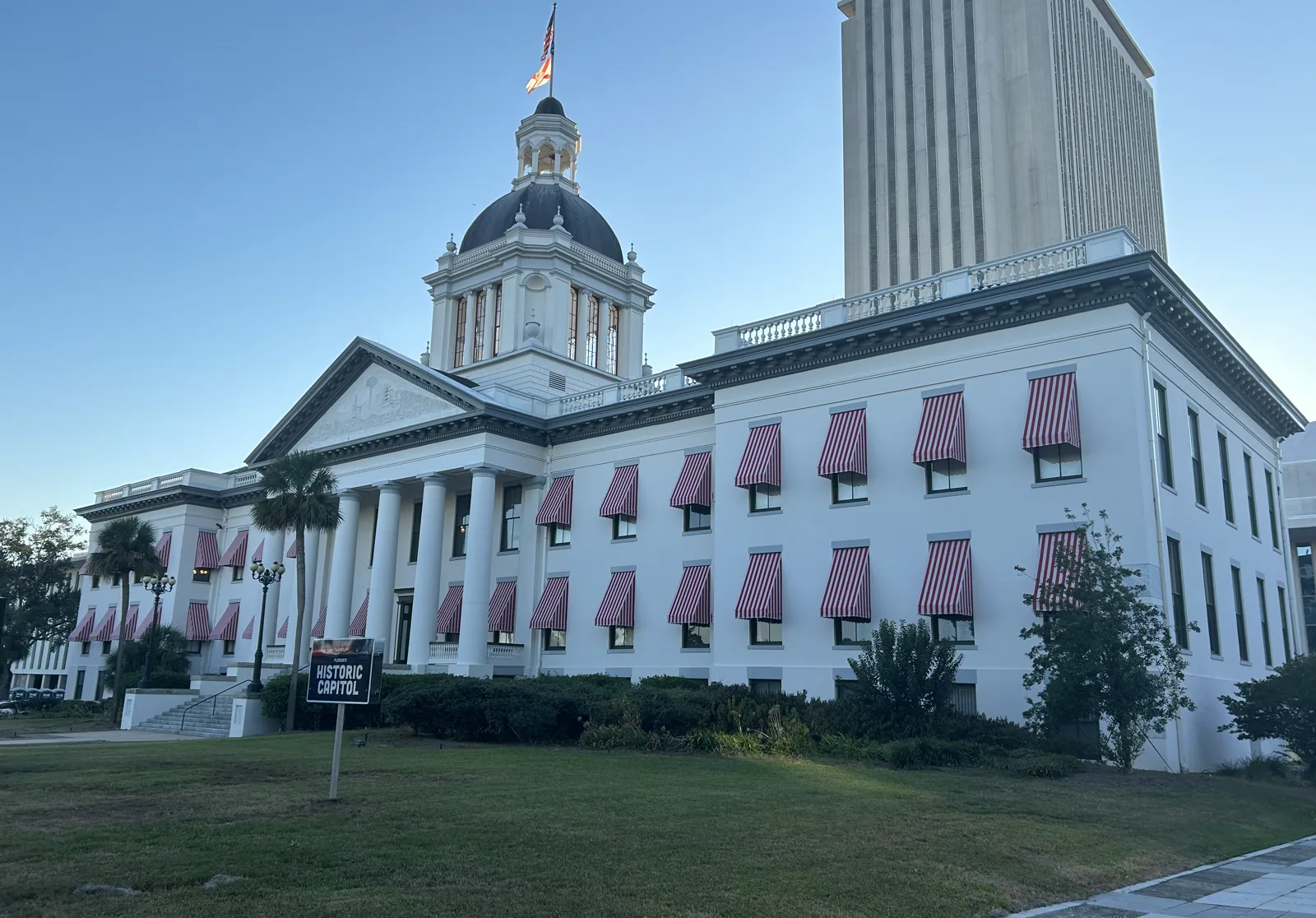
Tallahassee. Every Florida nonprofit corporation now answers to the Florida Nonprofit Corporation Act, a rewritten statute that took effect July 1 and replaced the Not For Profit Corporation Act. Gov. Ron DeSantis approved House Bill 797 on June 25, after it passed the House 114 to 0 in February and the Senate 36 to 0 in March.
Sponsored by Rep. Kaylee Tuck, a Republican from Lake Placid, the bill grew out of a review by a task force of The Florida Bar's Business Law Section, the House's final bill analysis said. It aligns the law with the American Bar Association's Model Nonprofit Corporation Act and Florida's business corporation law. The state had about 196,000 domestic nonprofit corporations in January, according to the analysis.
Boards and officers
A board may now have a single director, but a corporation exempt under section 501(c)(3) must still have at least three. Unless the articles or bylaws say otherwise, a director serves a one-year term.
A new section holds officers to the same standards as directors: good faith, the care of an ordinarily prudent person and the corporation's best interests. Officers must also tell a superior or the board of any actual or probable material violation of law or breach of duty.
Protection from personal liability for money damages, once limited to directors and officers of certain tax-exempt groups such as 501(c)(3) charities, now covers those of every nonprofit corporation. It still excludes a breach of duty amounting to a crime, an improper personal benefit, willful misconduct, recklessness or bad faith. A director's conflict-of-interest transaction is not void if it was fair to the corporation, and if a majority of disinterested directors approved it after disclosure, a challenger must prove it unfair.
Members and charitable property
A member who asks in writing for the latest annual financial statements must get them within five business days, or within 60 days if they are not yet prepared. Members need 10 percent of the votes, up from 5 percent, to call a special meeting unless the articles or bylaws say otherwise.
Nonprofit corporations may now merge with or convert into other kinds of entities, including businesses. One that holds property for a charitable purpose may merge only into a nonprofit and may not convert into a for-profit company.
In a Sept. 11 column in the St Pete Catalyst, Duggan Cooley, president and chief executive of the Pinellas Community Foundation, urged boards to check their bylaws and policies against the new defaults, which apply where their own documents are silent.
“Silence in bylaws is not neutral. That reality alone is reason enough for every board to sit with its governing documents this year.”
About this story
501c3.help wrote this story from the sources listed with it, not from material an organization sent. Our editors approved it on Sept. 29, 2026. Stories in The Nonprofit Herald are free, and nothing is asked in return. Editorial rules.
Found an error? Write to [email protected] and we will correct it.
For Pinellas Community Foundation: put the badge on your website

Put it on your About page or wherever you list press mentions, rather than in a footer that repeats on every page. It links to this story.
Linking is welcome and never required. Nothing about the story changes either way.