More than 20 foundations launch All In For Jobs, aiming to align $1 billion and connect 500,000 Americans to jobs
The campaign, announced by The Rockefeller Foundation on Oct. 26, has more than $800 million committed. It plans to work with local leaders, businesses and nonprofits in up to 250 communities over five years; the communities have not been chosen.
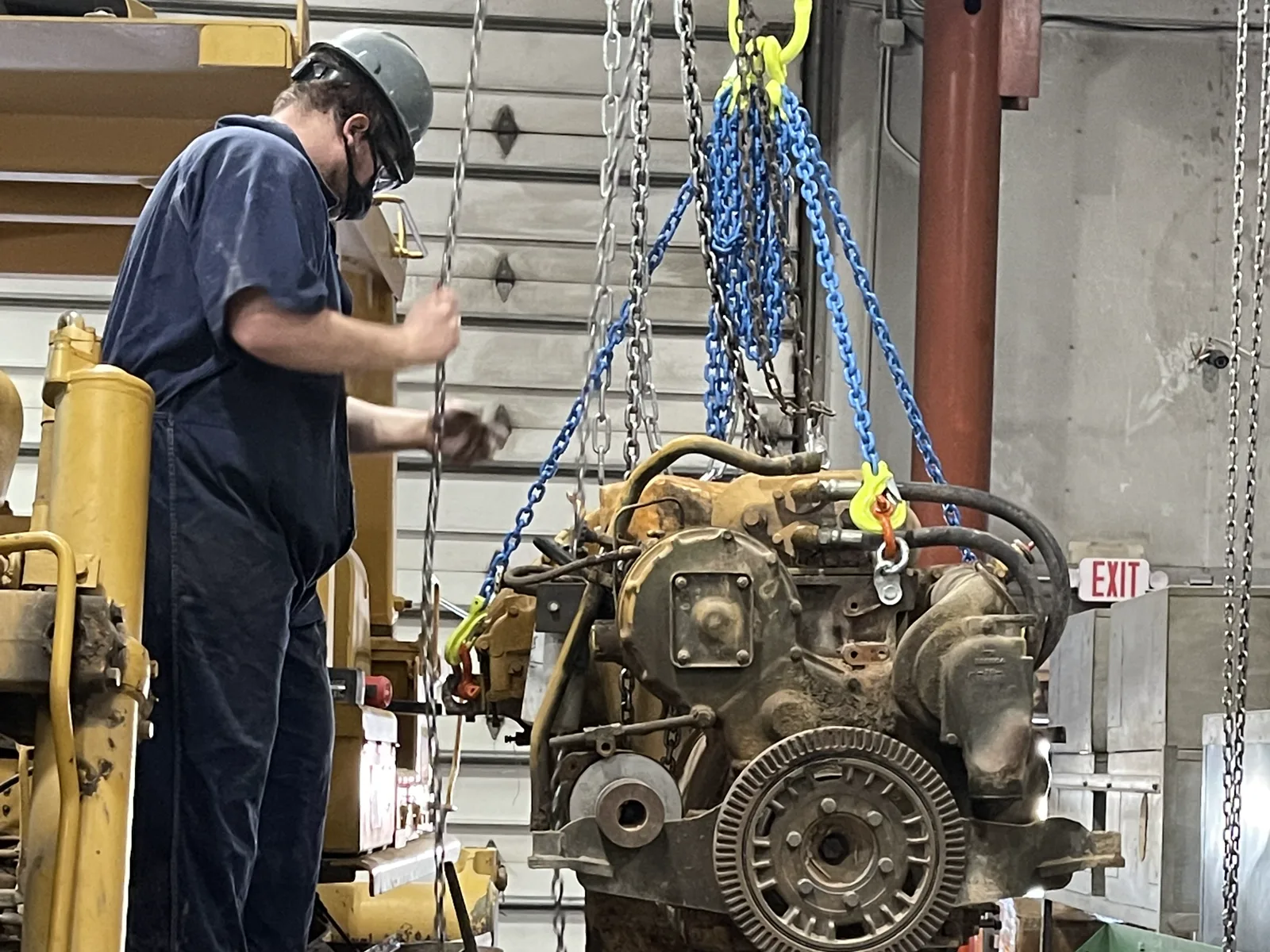
New York. More than 20 foundations and philanthropies launched a campaign on Oct. 26 to connect Americans to good jobs and keep them working as artificial intelligence and automation change work, The Rockefeller Foundation announced in New York.
The campaign, All In For Jobs, aims to mobilize $1 billion and to connect half a million Americans to jobs in up to 250 communities over the next five years. Its partners have committed more than $800 million so far. The communities will be places whose residents have lost jobs over recent decades or face new losses to AI and automation, and they will be chosen in the months ahead.
Barriers to jobs that are already open
Rather than only creating new jobs, the campaign says it will look for the missing links that keep people from jobs already open: child care a worker cannot afford, transportation that does not reach the job, or training that does not connect to the roles employers are trying to fill. It plans to find and fix those barriers community by community with local leaders, businesses and nonprofits, drawing on fields from workforce development to early childhood education.
The $1 billion is not described as a single new fund. The campaign's own site calls it aligned capital: what funders already invest in economic mobility, coordinated through shared information so the field invests differently over time. The site says funders in this area often work separately, so communities deal with many funders one at a time.
“In communities across the nation, there are too many people who need jobs, and too many jobs that need people.”
Who is in it and what comes next
Besides The Rockefeller Foundation, the announcement names AARP Foundation, the Community Foundation of Greater Flint, Google's philanthropy, the James S. McDonnell Foundation, the Ewing Marion Kauffman Foundation, the McKnight Foundation, NextLadder Ventures, Stand Together, Strada Education Foundation and StriveTogether, and says 14 other organizations take part. Mr. Kilmer said the coalition is looking for more leaders in philanthropy, business and nonprofits.
Partners will begin meeting regularly in January 2027 to identify, test and scale solutions. The campaign's timeline projects pilots and shared measures in 2027 and 2028 and public reporting from 2029, and says those dates may change. Its site asks funders, field partners and community organizations to get in touch; it does not describe a grant application.
About this story
501c3.help wrote this story from the sources listed with it, not from material an organization sent. Our editors approved it on Oct. 27, 2026. Stories in The Nonprofit Herald are free, and nothing is asked in return. Editorial rules.
Found an error? Write to [email protected] and we will correct it.
For the organizations in this story: put the badge on your website
Put it on your About page or wherever you list press mentions, rather than in a footer that repeats on every page. It links to this story.
Linking is welcome and never required. Nothing about the story changes either way.